8 Everyday Rip Offs Hiding In Plain Sight
Some purchases do not hurt because they are huge. They hurt because they keep showing up, week after week, like tiny financial paper cuts. You swipe your card for coffee, snacks, delivery, gas, or a quick bottle of water, and the amount looks harmless until your bank statement starts telling a different story.
American shoppers know this feeling too well. A purchase can be normal and useful and still feel like a bad deal every single time. The worst part is that many of these expenses hide behind convenience, emotion, or habit. Here are eight everyday rip offs that can quietly drain your wallet before you even notice the damage.
Food Delivery Fees

Food delivery has a special way of making a simple meal feel wildly expensive. The food price looks acceptable at first, but then the service fee, delivery fee, small-order fee, taxes, and tip arrive like unwanted guests. By the time you check out, a basic dinner can feel like a luxury event you never planned.
The convenience is real, especially after a long day, but the markup can be brutal. What makes it worse is that many people order delivery when they are tired and hungry, and are least likely to care about the final total. Picking up the order yourself or keeping easy meals at home can stop one lazy dinner from turning into a budget ambush.
Greeting Cards
Greeting cards can feel surprisingly expensive for something many people read once and toss into a drawer. The message matters, of course, but the price tag can make a simple birthday or thank you feel like a small emotional toll. You stand in the aisle thinking about love, friendship, or family, then the register reminds you that sentiment is not cheap.
The awkward part is that you often still need something thoughtful. A handwritten note on simple stationery can feel more personal than a glossy card with a generic message. The point is not to stop caring, but to stop assuming the most expensive card is the most meaningful one.
Bottled Water
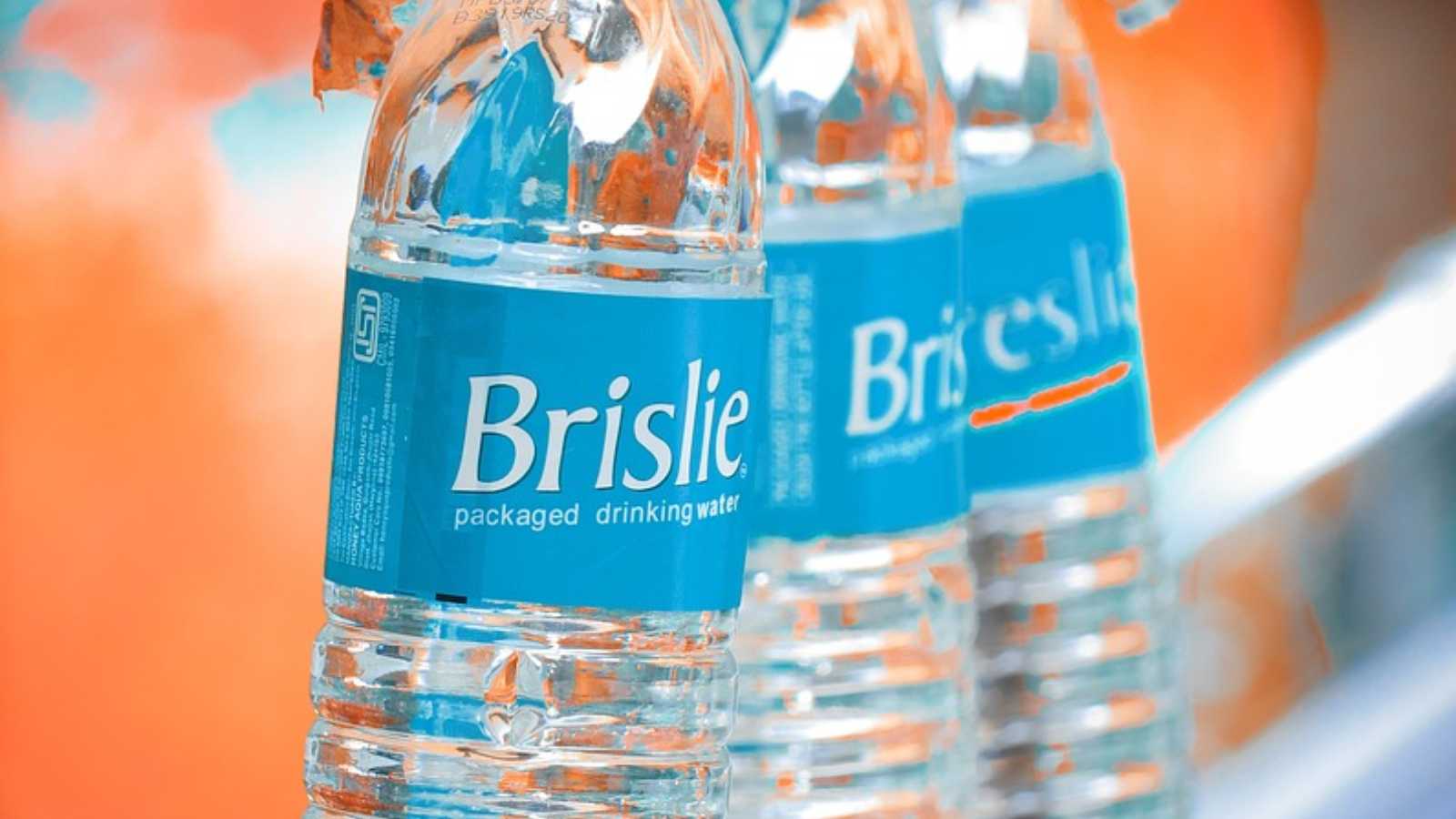
Bottled water may be the king of everyday buyer’s remorse. You know water exists in your kitchen, office, gym, and hotel lobby, yet one rushed moment at a gas station or airport can turn thirst into another overpriced purchase. The bottle feels convenient for five minutes, then annoying once you remember what you paid for it.
The real problem is repetition. One bottle won’t wreck your budget, but several bottles a week can add up to serious wasted cash over time. A reusable bottle may not feel exciting, but it quietly saves money every time you avoid paying for something you could have carried yourself.
Printer Ink
Few purchases feel as irritating as printer ink. The printer itself may seem affordable, but the replacement cartridges look like tiny boxes of regret. It is one of those purchases that makes people stare at the receipt and wonder if they accidentally bought office equipment dipped in gold.
Printer ink feels worse because you usually need it at the worst possible time. A school form, shipping label, work document, or appointment paper suddenly refuses to print, and now you are trapped into paying whatever the store charges. Printing less, using draft mode, or choosing refill-friendly options can make this annoying expense less painful.
Coffee Runs
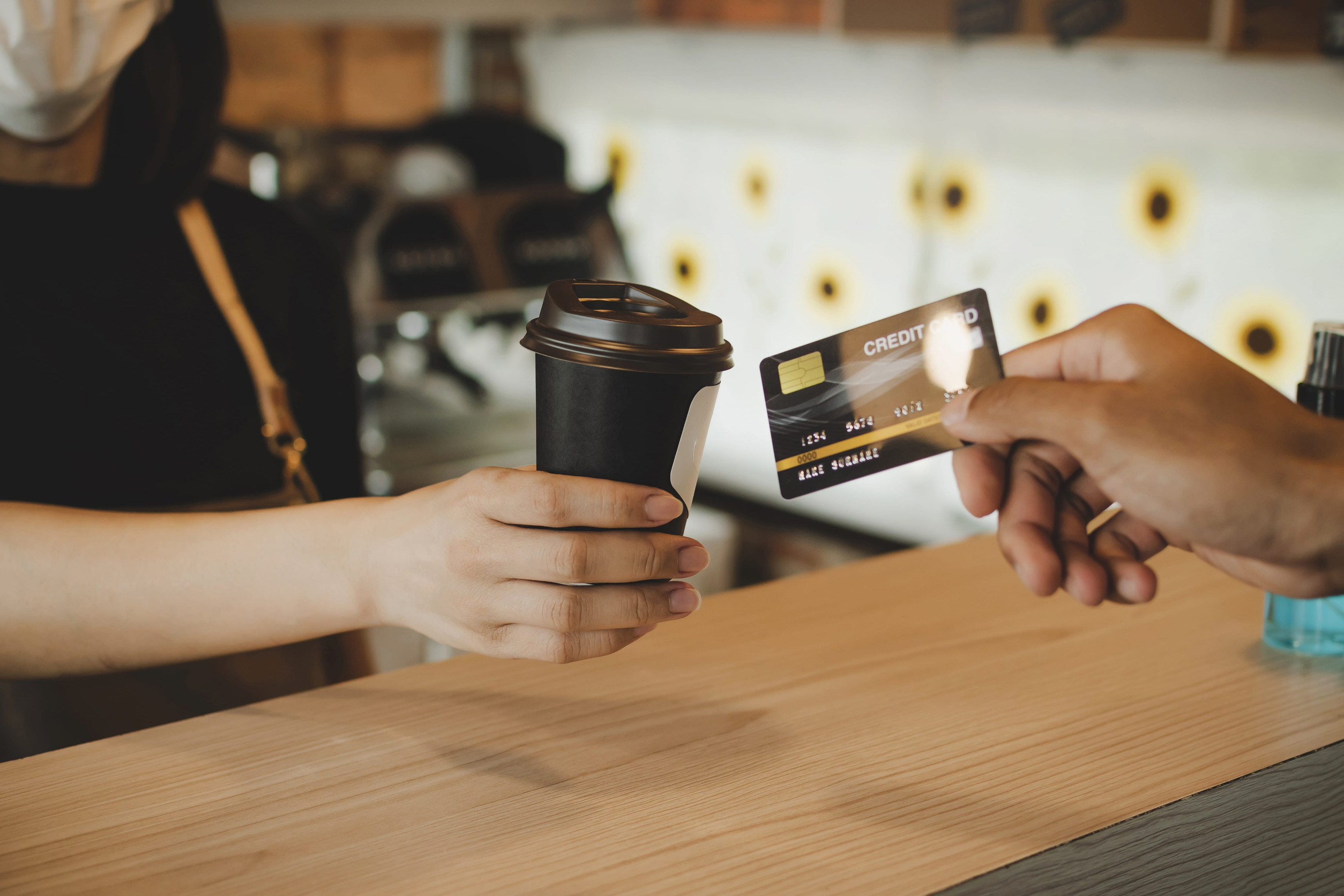
A coffee run can feel like self-care in a paper cup. It gives you a warm little reward before work, after errands, or during a long commute. The trouble starts when that daily cup becomes less of a treat and more of a monthly bill in disguise.
Fancy drinks make the sting worse because prices climb fast with flavors, foam, milk swaps, and extra shots. You may still love the ritual, but the value can feel painfully thin when the drink is gone in fifteen minutes. Making coffee at home a few days a week can keep the pleasure without letting the habit bully your wallet.
Airport Food
Airport food almost never feels like a fair deal. You are hungry, trapped behind security, and surrounded by sandwiches that somehow cost like full restaurant meals. Even a basic snack can feel insulting when you know the same item would cost much less outside the terminal.
Travel pressure makes people more likely to be overcharged. You do not want to miss your flight, leave the gate area, or argue with your stomach, so you pay and move on. Packing snacks before leaving home may sound boring, but it can save you from paying premium prices for average food wrapped in plastic.
Convenience Store Snacks
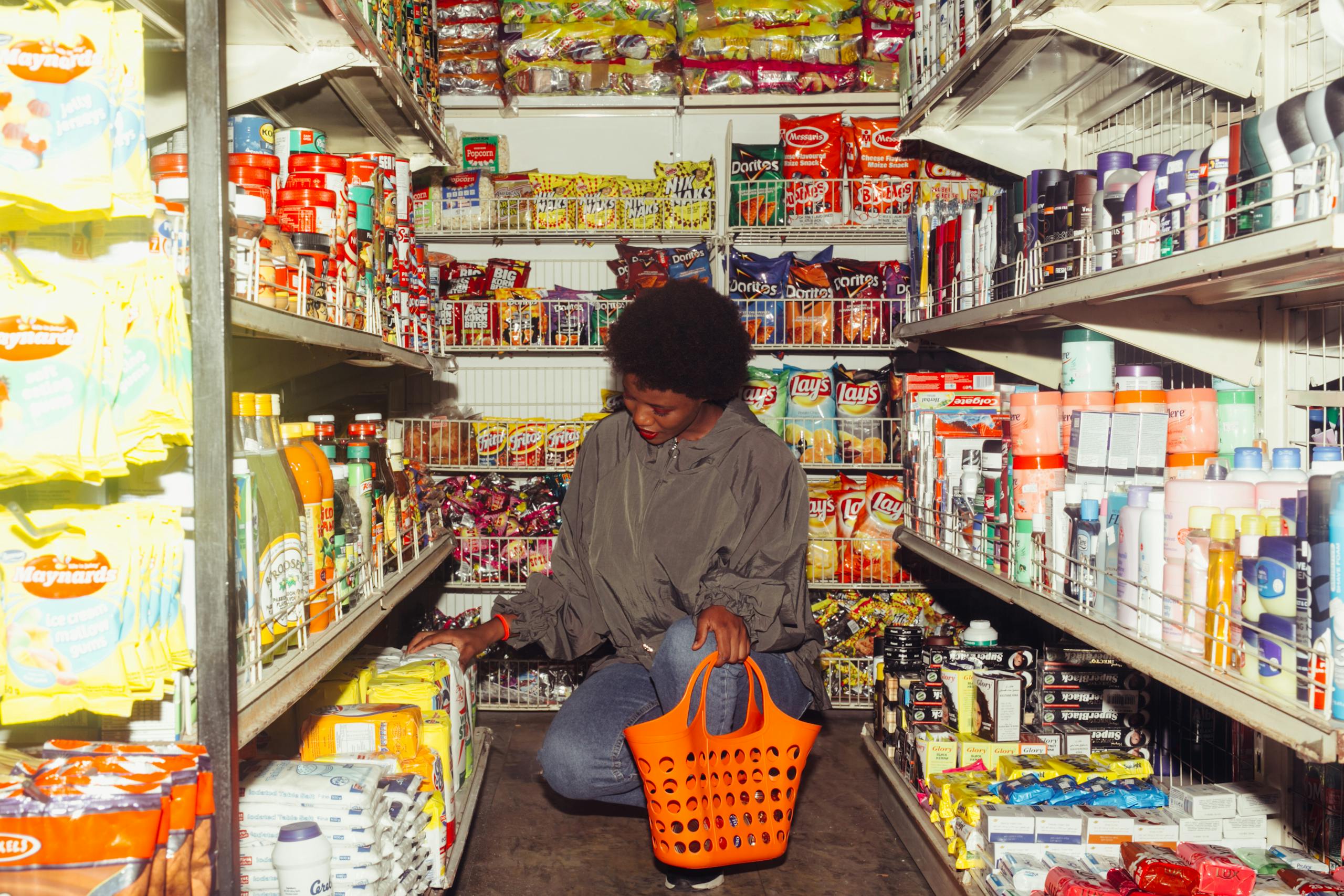
Convenience stores are built for impulse spending. You walk in for gas, medicine, or a quick drink, and suddenly, chips, candy, energy drinks, gum, and random snacks start looking strangely necessary. The prices are often higher because the store is selling speed as much as the product.
The danger is how normal it feels. A few dollars here and there may not seem serious, but repeated snack stops can quietly eat into your weekly budget. Buying snacks in larger packs from a grocery store gives you the same comfort without paying the convenience tax every time hunger gets dramatic.
Forgotten Subscriptions
Subscriptions are dangerous because they do not ask for attention every day. They sit quietly in the background, pulling money from your account while you forget they exist. Streaming apps, music platforms, cloud storage, fitness apps, delivery memberships, and trial offers can pile up before you realize how much they cost together.
The worst subscriptions are the ones you barely use but never cancel because the monthly charge feels small. That small charge becomes powerful through repetition. A quick monthly review of your bank statement can reveal services that are taking money without providing enough value in return.
Conclusion
Every day rip offs rarely look dramatic in the moment. They look like coffee, snacks, delivery, bottled water, ink, cards, airport meals, and apps you forgot to cancel. That is exactly why they are so effective. They do not kick down the front door of your budget ,they sneak in through routine.
The good news is that these purchases are easier to control once you see the pattern. You do not have to stop enjoying life or turn every dollar into a debate. You only need to notice where convenience has become too expensive, where habit has replaced choice, and where small spending keeps leaving a big bruise on your wallet.