Bryan Kohberger Tries to Undo Guilty Plea in University of Idaho Murders
This article was originally published on Crafting Your Home. A human contributor also wrote and edited the post.
Nearly one year after admitting he murdered four University of Idaho students, Bryan Kohberger is attempting to reopen the case that sent him to prison for life.
Kohberger filed a petition for post-conviction relief in Ada County District Court on Monday, July 27, 2026. He is asking to withdraw his guilty plea, claiming poor legal advice and false promises pushed him into confessing to crimes he now says he did not commit.
The filing marks a dramatic reversal for Kohberger, who stood before a judge in July 2025 and pleaded guilty to murdering Madison Mogen, Kaylee Goncalves, Xana Kernodle and Ethan Chapin. He also admitted entering the students’ off-campus home with the intent to commit murder.
Kohberger is representing himself in the new legal challenge. According to ABC News, he claims he received ineffective assistance from his defense lawyers and was pressured into making a false confession.
Why it matters
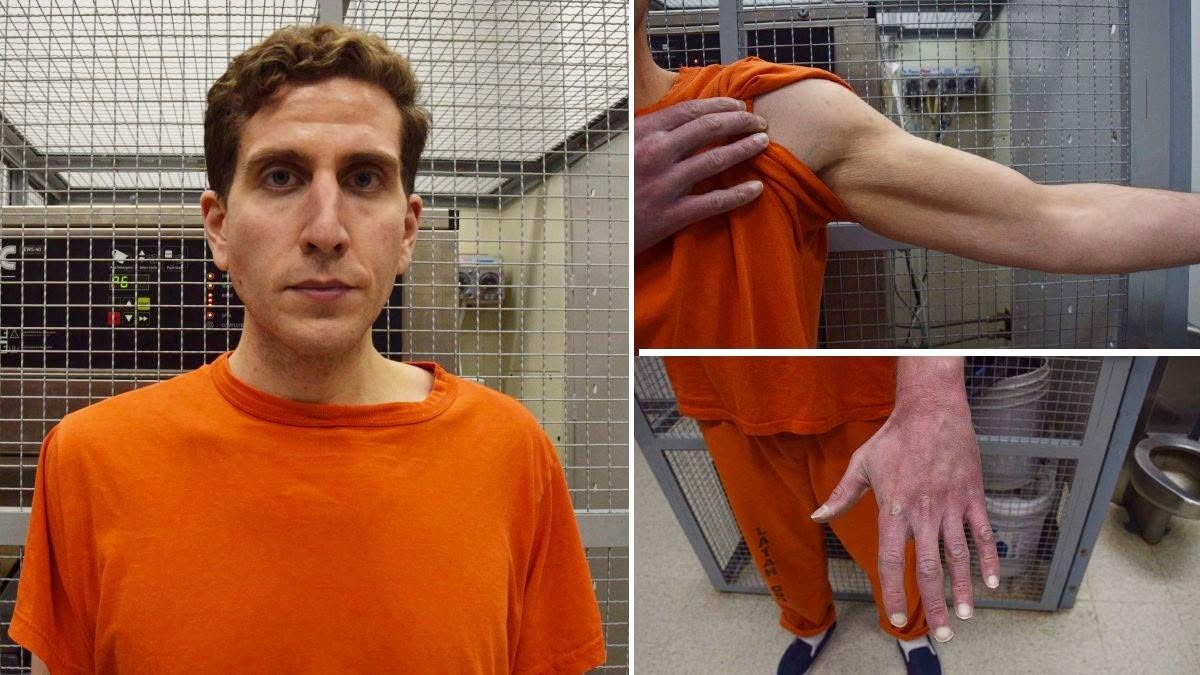
Kohberger’s petition threatens to revive one of the most closely watched murder cases in recent American history.
The four students were stabbed to death during the early morning hours of November 13, 2022, inside a rental home near the University of Idaho campus in Moscow. The killings stunned the small college community and triggered an investigation that attracted national attention for weeks.
Kohberger, who was studying criminology at Washington State University, was arrested at his family’s Pennsylvania home in December 2022. He initially maintained his innocence as prosecutors prepared to seek the death penalty.
The case appeared headed for a lengthy and emotionally charged trial until Kohberger unexpectedly accepted a plea agreement in July 2025. In exchange for pleading guilty to four counts of first-degree murder and one count of burglary, prosecutors removed the possibility of execution.
Judge Steven Hippler sentenced him to four consecutive life terms without parole. Kohberger also received an additional 10-year sentence for burglary.
During the plea hearing, Kohberger told the court that he understood the charges and the rights he was surrendering. He also confirmed that nobody had threatened him or forced him to accept the agreement.
His new petition presents a sharply different account.
Kohberger now alleges that his lawyers pressured him to plead guilty by frightening him about the conditions he could face on Idaho’s death row. He also claims they offered misleading assurances about what his life would be like if he accepted permanent imprisonment.
He described the advice as false and argued that his plea was not made voluntarily. He also accused his legal team of failing to explain evidence he believes could have supported his innocence properly.
Kohberger’s attempt faces a major obstacle because withdrawing a guilty plea after sentencing is difficult. He will likely need to show that a serious legal failure or injustice undermined the validity of his conviction.
Prosecutors are also expected to point to the statements Kohberger made under oath when he accepted the plea deal. Those statements could make it harder for him to argue that he did not understand the agreement or was secretly forced to accept it.
Before the plea, authorities had assembled a case that included DNA, cellphone records and surveillance evidence.
Investigators said DNA discovered on a knife sheath left beside one of the victims was a statistical match to Kohberger. Authorities also said his cellphone had connected to the area near the King Road home several times before the murders, often late at night or early in the morning.
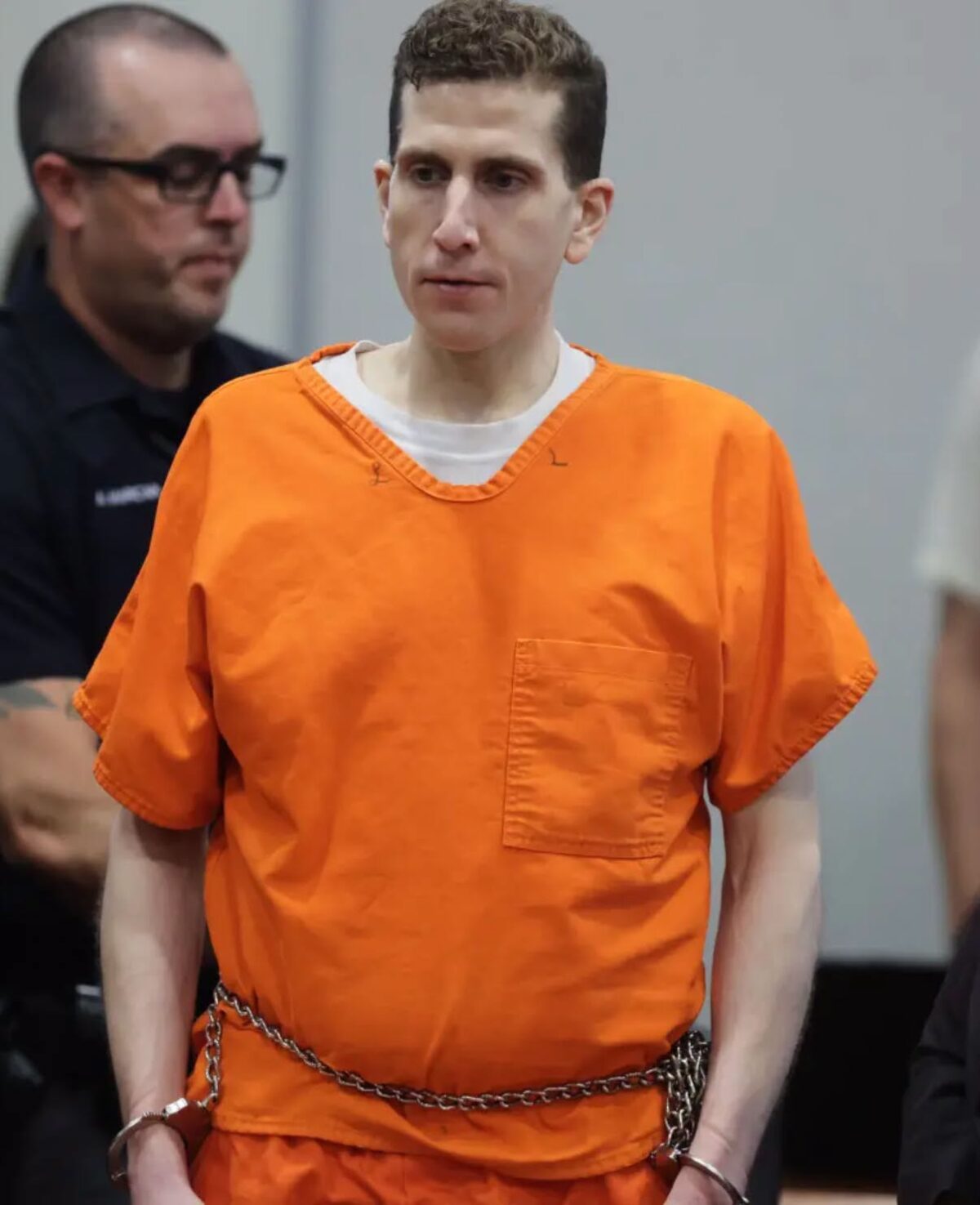
Prosecutors had planned to present video showing a vehicle similar to Kohberger’s white Hyundai Elantra traveling near the home around the time of the attack. The murder weapon was never recovered, and authorities have never publicly established a motive.
Kohberger’s guilty plea prevented the evidence from being fully presented before a jury. It also denied the public a detailed explanation of how prosecutors believed the crime unfolded and why the four students were targeted.
The new petition has reopened those unanswered questions, but it has also reopened wounds for the victims’ families.
Kaylee Goncalves’ family said Kohberger willingly accepted a deal that spared him from the death penalty. The family argued that he chose to avoid a jury trial and is now trying to gain another opportunity to challenge evidence he previously accepted.
The family also said it had wanted a death penalty trial because it believed strongly in the prosecution’s case. Its statement suggested Kohberger is now attempting to escape the permanent consequences of the agreement he requested.
Idaho Attorney General Raúl Labrador responded by acknowledging the renewed pain facing the families. In an official statement, Labrador said his office was prepared to take whatever action was necessary to ensure justice was carried out.
A judge must now decide whether Kohberger’s claims deserve further court review. The petition does not automatically erase his plea, cancel his sentence or guarantee him a new trial.
The court could reject the request without a full hearing if it finds the allegations legally insufficient. It could also order additional briefing, appoint an attorney or hold a hearing to examine whether Kohberger’s former lawyers provided ineffective assistance.
Even if the plea were withdrawn, Kohberger would not simply walk free. The original murder and burglary charges could return, and prosecutors could once again prepare the case for trial.
That possibility could create an extraordinary legal gamble. Kohberger escaped a possible death sentence through the plea agreement, but undoing that agreement could potentially expose him to the punishment he originally sought to avoid.
For the victims’ families, the latest filing means a case they hoped had reached its legal endpoint may remain active for months or longer. For Kohberger, it represents an attempt to reverse the sworn admissions that guaranteed he would spend the rest of his life behind bars.
If you like what you just read, then subscribe to our newsletter and follow us on social media.