11 Countries Destroying the Planet with the Most CO₂ Emissions
The climate crisis is driven by a handful of countries whose energy choices and industrial habits release massive amounts of CO₂ into the atmosphere. From coal-heavy power grids in China to oil-dependent economies in the Middle East, these nations are pushing the planet closer to irreversible warming.
Knowing who contributes the most is more than a statistic. It’s a warning. The world’s largest emitters shape the future of our climate, and the decisions they make, or fail to make, have global consequences.
China Fuels Global Emissions with Coal and Industry
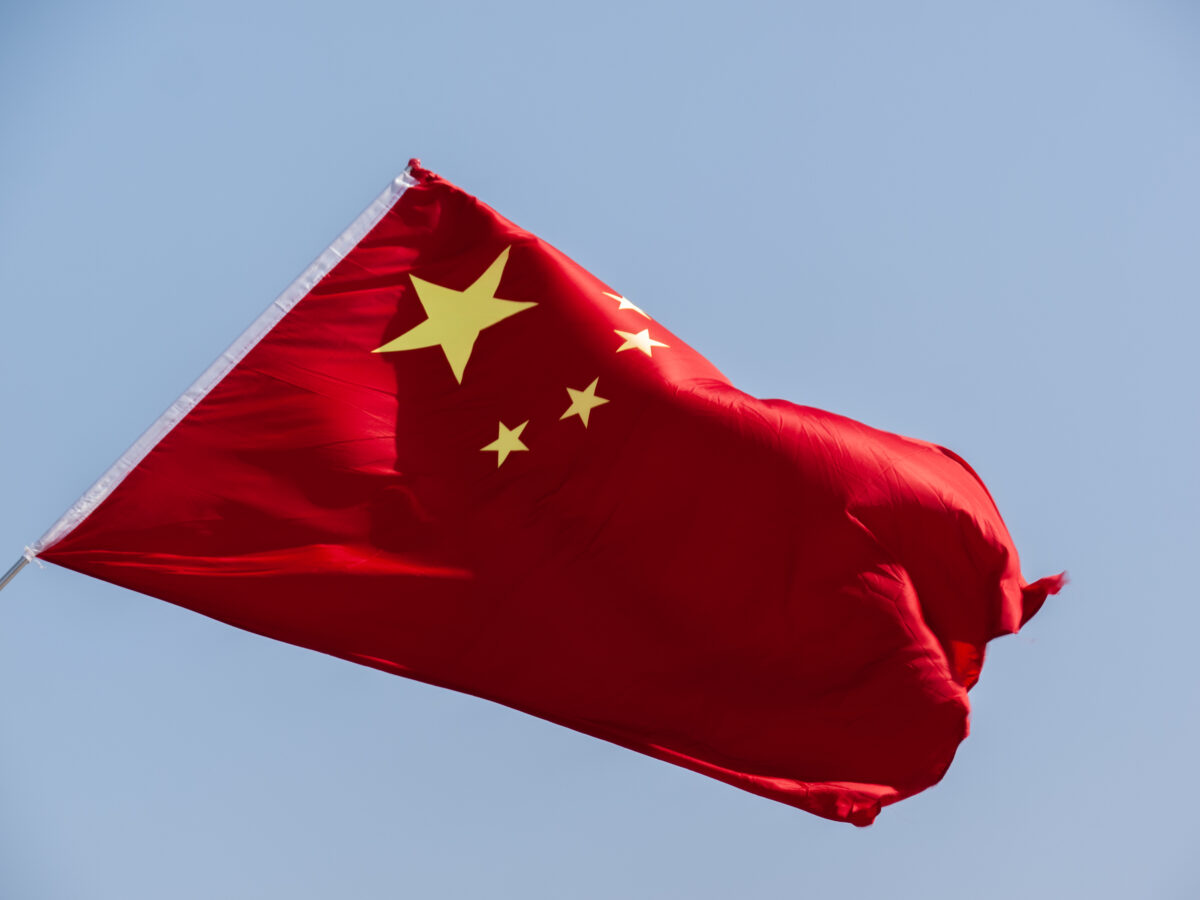
China leads the world in CO₂ output, producing more than any other country by a wide margin. Its massive coal-fired electricity generation, steel and cement production, and export-driven manufacturing pump billions of tons of CO₂ into the air annually.
Despite leading in solar, wind, and clean energy manufacturing, the scale of coal use is staggering. Every exported good carries a hidden carbon toll, meaning much of the world’s consumption indirectly depends on China’s high emissions.
Indonesia’s Coal Addiction Accelerates Global Warming
Indonesia’s reliance on coal power, growing transport demand, and industrial expansion make it a rising CO₂ emitter. Its rapid economic growth depends heavily on fossil fuels.
Deforestation and peat fires amplify its carbon footprint, demonstrating how energy choices and land-use practices together intensify climate damage.
Saudi Arabia’s Oil Empire Drives Enormous Emissions
Saudi Arabia ranks high due to oil extraction, power generation, transport, and industrial activity. Domestic energy use for air conditioning, desalination, and petrochemicals further inflates CO₂ output.
Clean energy plans exist, but are dwarfed by the scale of fossil fuels. Exported oil compounds the climate impact globally, not just within the country’s borders.
United States Maintains a Dangerous Carbon Legacy

The U.S. remains second in total emissions, with per capita CO₂ emissions among the highest globally. Transportation, oversized homes, air travel, and industrial activity all drive energy demand relentlessly.
Though coal use has dropped and renewables have grown, the country’s historical emissions contribute a massive climate debt. The U.S. continues to influence the global carbon balance through both current output and past accumulation.
Germany’s Industrial Base Maintains Heavy Emissions
Germany still emits large amounts of CO₂ from steel, cement, chemicals, manufacturing, and urban energy consumption. Renewable energy has cut emissions, but coal and nuclear phaseouts complicate the transition.
This illustrates that industrialized nations face persistent emissions challenges even when energy is increasingly green. Reducing emissions from heavy industry is critical.
South Korea’s Manufacturing Keeps CO₂ Soaring
South Korea’s economy relies on steel, shipbuilding, electronics, and dense urban energy demand. Industrial growth and exports sustain high emissions despite population size.
Electrification, efficiency, and supply-chain decarbonization are needed to cut the country’s carbon output without harming its economy.
Iran Burns Oil and Gas at Hazardous Levels
Iran’s CO₂ emissions come from oil and gas, petrochemical production, and subsidized domestic energy use. Cheap fuel encourages wasteful consumption across industry and households.
The country’s fossil-fuel dependence traps it in a cycle of high emissions, showing how energy wealth can hinder climate action.
India’s Industrial Boom Adds Massive CO₂

India ranks third in terms of coal-fired power, urbanization, and industrial growth, all of which are expanding rapidly. While per-person emissions remain lower than in developed nations, the sheer scale of population and economic activity pushes total output high.
The challenge is stark: the country must lift living standards without replicating the carbon-heavy path of wealthier nations, a task complicated by rising energy demand and fossil-fuel dependence.
Russia’s Fossil Fuel Economy Keeps CO₂ High
Russia’s energy-intensive industries, oil and gas production, and frigid climate drive enormous emissions. Long transport distances and heavy industrial infrastructure intensify energy consumption.
Its fossil fuel exports mean global emissions responsibility exceeds territorial calculations. Russia proves that smaller populations can still have an outsized climate impact.
Canada Emits Far More Per Person Than Many
Canada’s population is small, but its per-capita emissions rank among the world’s highest. Oil sands, winter heating, long transport distances, and large homes push CO₂ levels up dramatically.
This shows that even countries with fewer people can exert outsized influence on the climate, making lifestyle, geography, and resource extraction central to global emissions.
Japan’s Energy Constraints Amplify Carbon Output
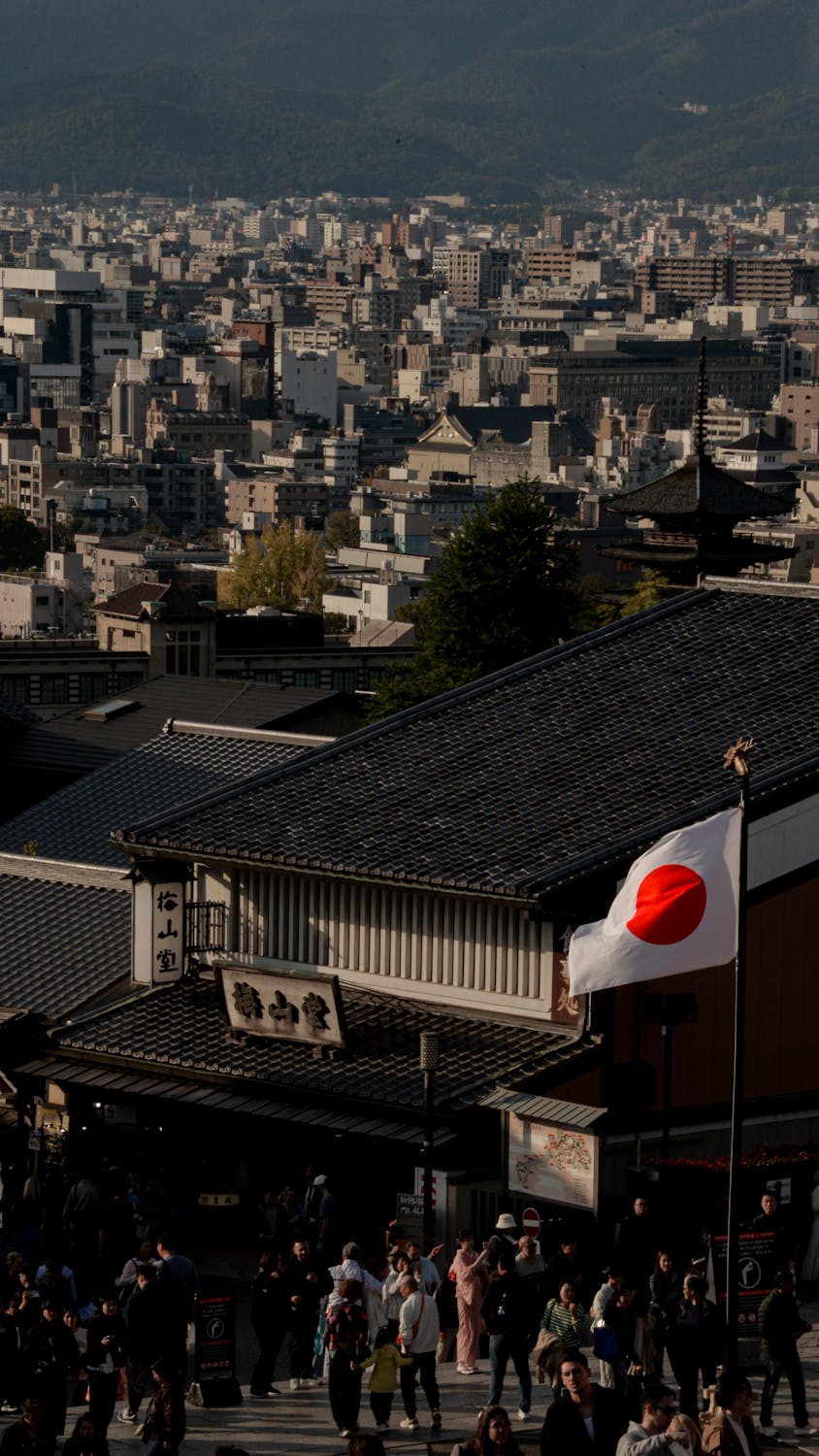
Japan’s industrialized economy produces significant CO₂ through manufacturing, dense cities, transport, and shipping. Following Fukushima, reliance on coal and natural gas surged, offsetting gains in efficiency.
Limited domestic energy sources prevent a full transition to clean energy. Japan’s emissions highlight the struggle of balancing industrial output with cleaner energy choices.
Conclusion
The planet’s CO₂ crisis is concentrated in a handful of nations, each with distinct drivers. Industrial activity, fossil-fuel dependence, population scale, and lifestyle habits combine to make these countries the leading threats to climate stability.
The next decade will test whether China, the U.S., India, Russia, and others can pivot fast enough to clean energy, efficiency, and industrial transformation. The climate clock is ticking, and the world’s largest emitters are at its center.