10 Daily Habits That Quietly Wear Down Your Health
Some habits do not look dangerous at first. They look normal, familiar, and even harmless because almost everyone around us does them too. We stay up too late, sit too long, drink too much sugar, rush through meals, ignore stress, and promise ourselves we will “do better tomorrow.” The problem is that tomorrow keeps getting pushed back, and the body keeps collecting the cost.
The good news is that better health does not always require a dramatic life makeover. Many of the biggest improvements begin with small daily changes that feel almost too simple to matter. Once we fix the habits that quietly drain our energy, sleep, digestion, focus, and mood, the body often starts responding faster than we expect. These are the daily habits we should rethink before they become bigger problems.
Sleeping Late Like Rest Is Optional

Late nights can feel productive, fun, or peaceful, especially when the house is quiet and the phone finally feels like a private escape. The trouble starts when staying up late becomes the norm rather than the exception. Poor sleep can leave us foggy, hungrier, moodier, and more dependent on caffeine the next day. It can also make healthy choices feel harder because a tired brain usually wants quick comfort, not long-term discipline.
We should treat sleep as a daily health tool, not a reward we earn after doing everything else. A better bedtime routine starts with fewer screens, a cooler room, calmer lighting, and a consistent sleep schedule. Even small changes, like charging the phone away from the bed or setting a nightly cutoff time, can make sleep feel less like a battle. The body repairs best when we stop negotiating with exhaustion.
Sitting Too Long Without Moving
Sitting for hours does not feel like a bad habit because it often happens while we are working, studying, commuting, or resting. That is what makes it sneaky. Long sitting can leave the body stiff, slow circulation, tighten the hips, weaken posture, and make movement feel harder over time. A person can exercise for thirty minutes and still spend the rest of the day locked in a chair.
We do not need to turn every day into a gym session to fix this. We can stand during phone calls, take short walking breaks, stretch between tasks, or walk after meals. The goal is to interrupt long sitting before the body settles into stiffness. Movement does not have to be dramatic to be useful. Sometimes the healthiest choice is simply refusing to stay parked for too long.
Ignoring Stress Until the Body Complains
Stress can become so normal that we stop recognizing it as stress. We call it being busy, responsible, focused, or strong. Then the body starts speaking through headaches, poor sleep, irritability, stomach discomfort, tension, cravings, and constant tiredness. Stress does not always arrive as a breakdown. Sometimes it arrives as a tight jaw and a short temper.
We should build small daily ways to release pressure before it piles up. A walk, a quiet prayer, slow breathing, a short journal entry, fewer unnecessary commitments, or one honest conversation can help. We cannot remove every problem from life, but we can stop carrying every problem in the body all day. Calm is not laziness. It is maintenance.
Drinking Sugar Like It Does Not Count

Sugary drinks are easy to underestimate because they disappear quickly and do not feel like food. Soda, sweet tea, flavored coffee, energy drinks, bottled juices, and creamy café drinks can add a heavy sugar load before lunch even begins. They may give a quick lift, but that lift often ends in a crash, more cravings, and another search for something sweet. This is how a small drink habit can quietly become an energy problem.
We should make water the main drink and keep sweet drinks as occasional treats. Sparkling water, lemon water, unsweetened tea, or coffee with less sugar can make the change feel less boring. The point is not to remove joy from eating and drinking. The point is to stop letting liquid sugar run the day from the background.
Eating Ultra-Processed Foods Too Often
Processed foods are not evil, and convenience matters in real life. Still, trouble begins when packaged snacks, frozen meals, fast food, pastries, chips, and refined breakfast foods become the default. These foods are often easy to overeat because they are soft, salty, sweet, and designed to keep us reaching for more. Over time, they can push out fiber, protein, vitamins, minerals, and the steady fuel the body actually needs.
A better approach is to build meals around simple, whole foods most of the time. Eggs, beans, oats, vegetables, fruits, potatoes, rice, fish, chicken, yogurt, nuts, and homemade soups can provide more sustained energy than a quick snack from a packet. We do not need a perfect diet. We need a better pattern. When real food becomes the base, convenience food loses some of its control.
Skipping Meals Until Hunger Takes Over
Skipping meals can sound disciplined, especially when the morning is busy or weight loss is the goal. The problem is what often happens later. We get too hungry, make rushed choices, eat too quickly, and crave the easiest foods in reach. By evening, the body may feel like it is trying to recover from a day of poor fueling.
We should aim for meals that keep us steady, not stuffed. A balanced plate with protein, fiber, and healthy fats can help reduce cravings and keep energy more even. Breakfast does not have to be huge, and lunch does not have to be fancy. The real win is avoiding the kind of hunger that turns every snack into an emergency.
Scrolling in Bed Until Sleep Disappears
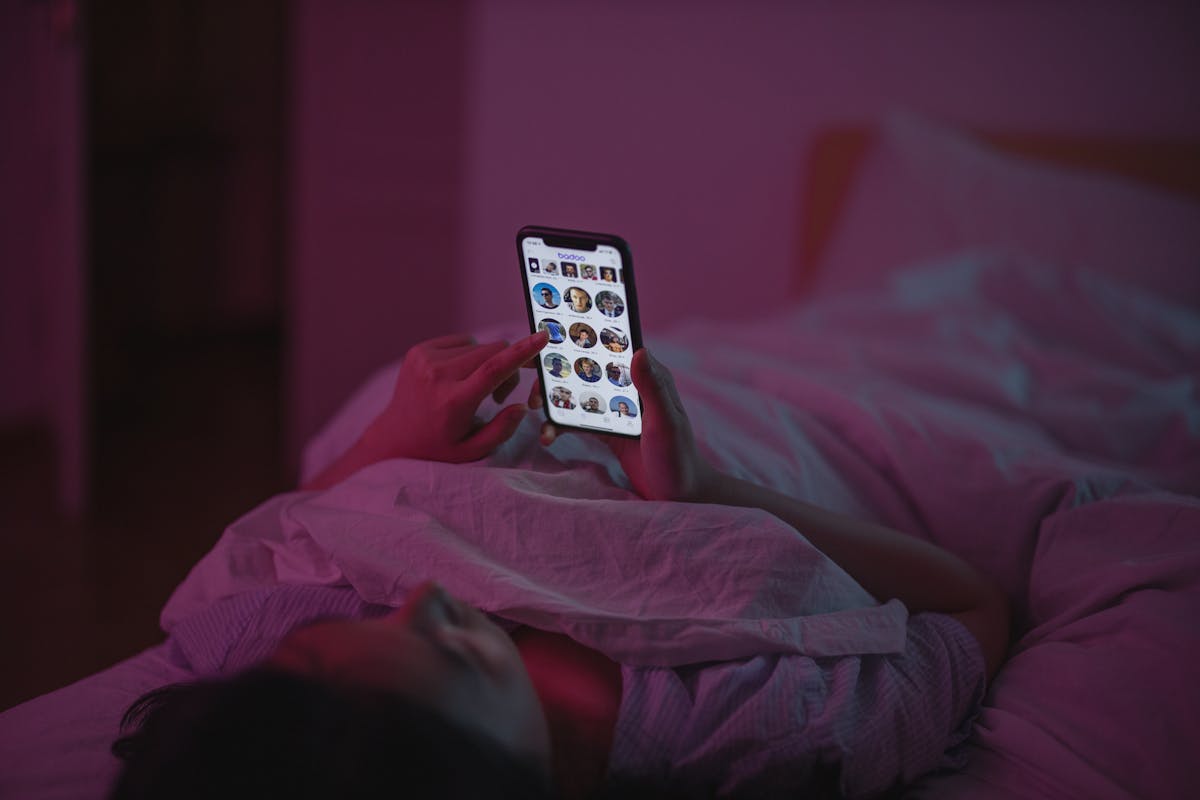
The bed used to be where the day ended. Now, for many people, it marks the start of the second shift. We scroll through videos, messages, news, shopping apps, and arguments from strangers, then wonder why the mind refuses to slow down. The phone makes bedtime feel entertaining, but it also keeps the brain alert when it should be winding down.
We should make the bed a screen-free zone, or at least set a firm cutoff before sleep. That one boundary can improve the whole night by giving the brain a clearer signal. Read a few pages, listen to calming audio, stretch, pray, journal, or simply let the room get quiet. Sleep needs an invitation, not a glowing screen shouting for attention.
Rushing Through Meals Without Noticing Fullness
Fast eating is common because modern life rewards speed. We eat at desks, in cars, while standing, while scrolling, or while thinking about the next task. The body needs time to recognize fullness, but rushed eating can blow past those signals. That is how a normal meal can turn into bloating, heaviness, and regret before the brain catches up.
We should slow down enough to taste the food and notice satisfaction. Put the fork down between bites, chew properly, drink water, and avoid eating straight from large packages. This habit may seem small, but it can improve portion control without turning meals into a punishment. Eating more slowly gives the body a chance to speak before we overrule it.
Neglecting Teeth Until There Is Pain
Oral health is one of the most ignored parts of daily wellness. Many people brush quickly, skip flossing, ignore bleeding gums, and delay dental visits until pain forces them to act. The problem is that tooth and gum issues often build quietly before they become expensive or uncomfortable. A small daily neglect can become a major problem later.
We should brush twice daily, clean between teeth, limit frequent sugary snacks, and pay attention to gum changes. A healthy mouth supports confidence, comfort, eating, speaking, and overall well-being. Dental care is not just about having a bright smile. It is about preventing problems before they start shouting.
Using Caffeine as a Substitute for Rest

Coffee can be a lovely part of the morning, but it becomes a problem when it turns into survival fuel. If we need caffeine just to feel human, the real issue may not be the coffee. It may be poor sleep, stress, dehydration, poor nutrition, or a schedule that leaves the body no time to recover. More caffeine may help us get through the day, but it does not address the reason we feel drained.
A smarter habit is to keep caffeine earlier and pay attention to why we want it. If the third cup is really about exhaustion, the body is asking for rest, not another stimulant. We can still enjoy coffee without letting it cover up deeper fatigue. Energy should come from sleep, food, hydration, and movement first.
Conclusion
The daily habits that wear down our health are not always dramatic. They often look like normal routines that slowly become too comfortable. Staying up late, sitting too long, drinking sugar, rushing meals, ignoring stress, and skipping basic care may seem harmless in the moment, but repetition gives them power.
Better health begins when we stop waiting for a perfect Monday and start changing what we repeat today. One better bedtime, one walk, one glass of water, one slower meal, or one screen-free night can shift the pattern. Small habits built the problem. Small habits can also build a comeback.