Gen Z Trends That Are Insanely Changing the World Faster Than Most People Expected
Gen Z isn’t waiting for the future. They are building it, filming it, questioning it, buying from it, rejecting parts of it, and forcing brands, schools, employers, creators, and governments to pay attention. Born into broadband, smartphones, social feeds, climate anxiety, economic pressure, and cultural change, Gen Z has become one of the most studied and misunderstood generations in modern life.
Their influence is widespread. Gen Z is transforming shopping, workplace discussions about burnout, consumer approaches to identity, brand trust, creator income, and how AI integrates into life. Older generations may see Gen Z as impatient or too online, missing a larger point: they learned to adapt quickly in a world that moved fast and broke promises.
Gen Z is turning digital fluency into real cultural power.
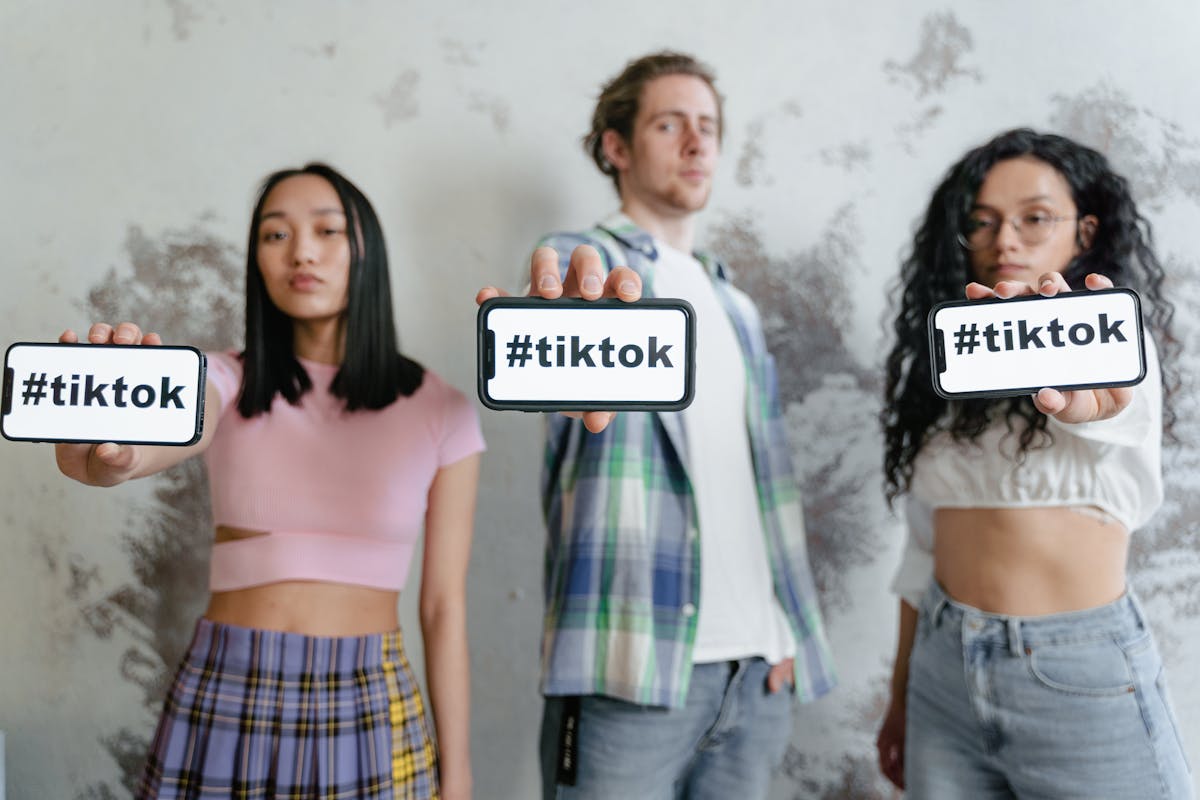
Gen Z did not “go online” like older generations; they grew up online. Social media, streaming, messaging apps, gaming spaces, creator platforms, and now AI tools shaped how they learned, searched, shopped, learned, or joked in a classroom, mall, studio, diary, and social space.
This digital fluency gives Gen Z cultural speed. A trend or message can reach national attention in a matter of days. TikTok, Instagram, YouTube, Discord, and comment sections make or break public perception. Gen Z sees attention as currency and quickly tracks shifts in taste.
This has forced brands to change their communication style. Polished ads no longer carry the same weight when a creator with a phone can feel more believable than a million-dollar campaign. Gen Z tends to respond to content that feels immediate, honest, funny, useful, or emotionally sharp. They can spot forced slang, fake purpose, and recycled corporate language quickly.
Digital fluency also changes how young people build careers, shaping how Gen Z approaches their role as consumers in a rapidly shifting world.
Gen Z is rewriting consumer behavior with value, identity, and skepticism.
Gen Z has serious buying influence, but they do not spend like a generation living in financial comfort. Many young adults face high housing costs, pressure from student debt, inflation fatigue, unstable entry-level job markets, and a constant stream of economic warnings. That pressure has made them careful, creative, and more suspicious of brands that expect blind loyalty.
Gen Z consumers hunt for dupes, wait for sales, compare reviews, and ask online communities before purchasing. Premium brands appeal, but many won’t pay without a clear reason. They value quality, emotional connection, usefulness, resale value, and social proof. Products must stand out in crowded, expensive lives.
Gen Z has changed the meaning of brand loyalty. Older shoppers stayed with familiar names; Gen Z switches if a brand seems overpriced, dishonest, boring, wasteful, or tone-deaf. They reward brands that listen and show personality, and punish those that overpromise or rely on stereotypes.
Gen Z is changing the way we work by demanding flexibility, purpose, and mental health support.

Gen Z entered the workforce during instability remote work, layoffs, AI disruptions, rising living costs, and open discussions of burnout. Many Gen Z workers no longer see work as a place to silently endure.
Their expectations include fair pay, flexibility, growth, clear communication, and a healthier culture. They’re less likely to conflate burnout with ambition and ask about mental health, work-life balance, values, and leadership. Some see this as entitlement, but often it’s a practical response to stress and instability.
Employers that want to attract Gen Z need more than casual dress codes and social media jokes. They need stronger onboarding, better feedback, visible career paths, fair pay practices, mental health support, and managers who know how to lead without fear-based control. Gen Z is not ending work. They are exposing what no longer works.
Gen Z is making mental health a mainstream priority, fundamentally transforming not just the workplace but also schools, homes, and digital spaces.
One of Gen Z’s most visible cultural shifts is the way they talk about mental health. Anxiety, depression, therapy, burnout, loneliness, boundaries, trauma, neurodiversity, and emotional exhaustion are no longer hidden topics in many young communities. Gen Z did not invent mental health struggles, but they helped make them easier to name in public.
This shift has changed schools, workplaces, families, and online culture. Students now ask for mental health days. Workers discuss burnout openly. Creators build platforms around emotional honesty. Friends use language around boundaries and self-care that would have sounded unusual in many households twenty years ago. The result is a culture where mental health is less likely to be treated as a private weakness.
That openness has benefits: people seek support sooner, describe feelings, and spot unhealthy patterns. It also pushes institutions to address system-driven stress. Costs, social comparison, academic demands, instability, loneliness, harassment, and news shape these conversations.
Gen Z is reshaping identity, beauty, and self-expression.
Gen Z pushes culture toward a broader view of identity. Gender, sexuality, body image, race, disability, style, and belonging are central. This generation rejects restrictive definitions faster than institutions can update language.
We see this first in fashion and beauty. Gen Z helped revive Y2K style, gender fluid fashion, thrifted outfits, expressive makeup, natural textures, skincare education, body positivity, and aesthetic-based communities. They mix nostalgia with experimentation. A single outfit can borrow from early 2000s pop culture, streetwear, anime, vintage fashion, luxury logos, handmade pieces, and digital subcultures.
Beauty standards have also changed. Gen Z still faces intense appearance pressure, especially online, but they also challenge the idea that one body type, skin tone, hair texture, gender expression, or face shape should dominate culture. More young consumers expect brands to show real variety in campaigns. They want different sizes, skin shades, disabilities, ages, and identities represented without making inclusion look like a seasonal marketing trick.
Gen Z is forcing brands to take sustainability more seriously.
Sustainability has become one of the most powerful Gen Z talking points, even when their actual buying habits are shaped by price. This generation grew up with climate warnings, extreme-weather headlines, images of plastic waste, fast-fashion criticism, and public pressure on corporations. They know environmental language, and they expect brands to know it too.
Gen Z’s sustainability mindset is complex. Many care about climate and waste, but tight budgets matter. Fast fashion and convenience appeal. The main tension is affordability: they want ethical products but often choose the cheapest due to necessary expenses.
This tension has created a smarter kind of consumer pressure. Gen Z is more likely to question vague green claims. They want proof, not slogans. They look for durable products, repair options, resale value, reduced packaging waste, ethical sourcing, and transparent supply chains. They also use social media to criticize companies that appear to use sustainability as decoration.
Gen Z is turning the creator economy into a career path.
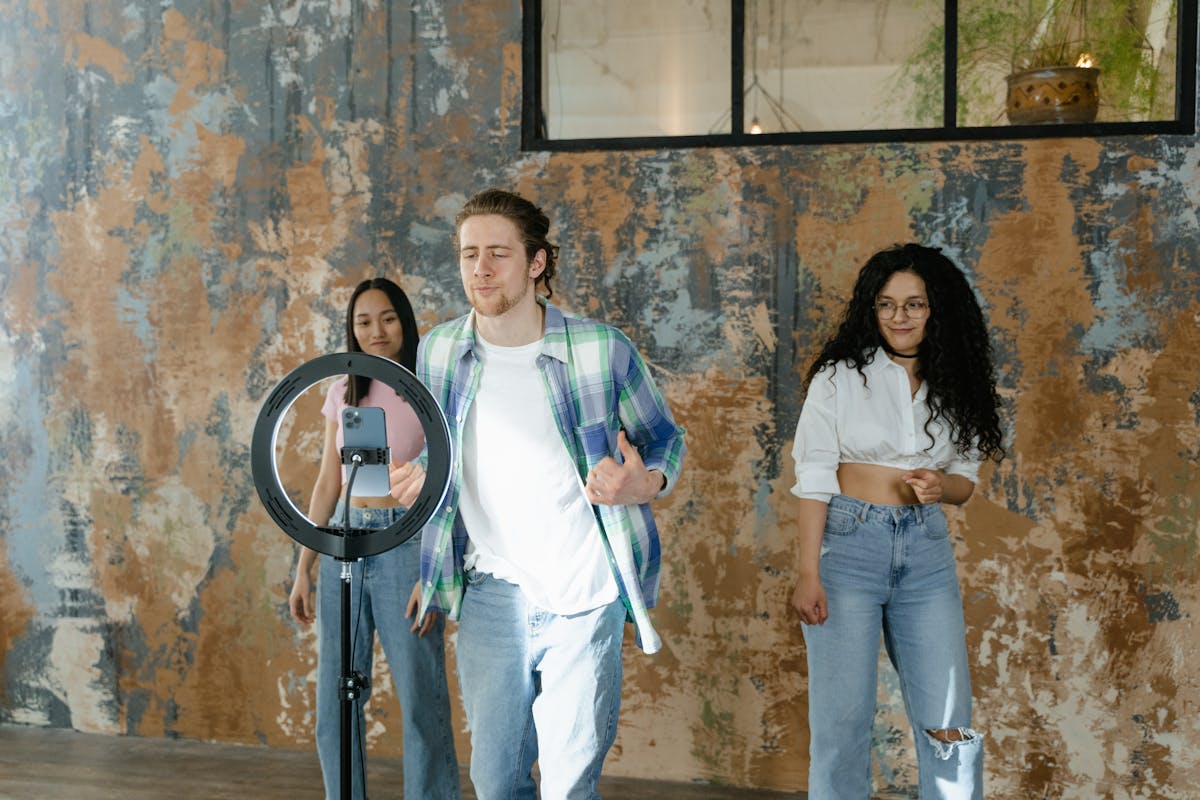
The creator economy is one of the biggest Gen Z powered shifts in modern work. Young people watched creators turn videos, newsletters, podcasts, livestreams, digital products, online courses, gaming content, and personal brands into income. That visibility changed the dream. For many Gen Zers, success no longer means only a corporate office, a traditional title, or a fixed career ladder.
We now see creators operate like small media companies. They build audiences, negotiate brand deals, sell products, launch memberships, host events, teach skills, and monetize trust. Gen Z understands this model because they grew up watching it happen in real time. A creator can become a beauty authority, financial educator, comedian, journalist, gamer, activist, stylist, or fitness coach without waiting for a traditional gatekeeper.
This trend has also changed marketing. Brands increasingly need creators because creators carry community trust. A polished commercial may reach people, but a believable creator can persuade them. Gen Z audiences often prefer content that feels personal, direct, and useful. They want to see how something works in real life, not just how it looks in a campaign.
Gen Z is bringing artificial intelligence into everyday life.
Artificial intelligence is becoming part of Gen Z’s daily routine faster than many institutions expected. Teens and young adults use AI tools for homework help, brainstorming, image editing, summarizing, translation, coding, entertainment, search, and even emotional support. For Gen Z, AI is less like a futuristic machine and more like another app in the digital toolbox.
This matters because Gen Z will carry AI habits into college, the workplace, entrepreneurship, and the creative industries. They will expect faster research, easier drafting, smarter personalization, and tools that reduce repetitive labor. Employers and schools can resist this shift, but they cannot ignore it. The real challenge is teaching judgment, ethics, originality, privacy, and verification.
Gen Z’s relationship with AI will shape the next phase of education and work. The winning institutions will not simply ban AI or blindly celebrate it. They will teach young people how to use it with skill, caution, creativity, and responsibility.
Gen Z is changing politics, activism, and public accountability.
Gen Z is one of the most socially aware generations in public life. They grew up with school shooting drills, climate protests, pandemic disruption, racial justice movements, gender debates, rising living costs, and political conflict playing across their screens. That environment shaped a generation that often connects personal life to public policy.
Their activism looks different from older models. Gen Z can protest in the street, but they can also organize through hashtags, petitions, fundraising links, short videos, explainers, campus groups, online communities, and consumer boycotts. They understand how attention can pressure institutions. A single viral post can prompt a company, school, celebrity, or politician to respond publicly.
The deeper trend is accountability culture. Gen Z has grown up documenting everything. That has made institutions less able to hide behind controlled messaging. In a Gen Z world, behavior travels faster than press releases.
Gen Z is pushing online safety into the center of public debate.
Online safety has become a major Gen Z issue because this generation has lived with the benefits and harms of digital life from a young age. They know the joy of online friendship, fandom, learning, humor, and creativity. They also know cyberbullying, harassment, scams, comparison, privacy risks, misinformation, addictive design, and algorithmic pressure.
That lived experience is changing public conversation. Parents, schools, lawmakers, platforms, and mental health professionals now face growing pressure to protect young users without cutting them off from the digital spaces where they learn and socialize. This is not an easy balance. Online spaces can be harmful, but they can also be lifelines for isolated teens, LGBTQ youth, disabled young people, niche communities, and students seeking support.
Conclusion
Gen Z is changing the world because they arrived at the center of several major shifts at once. They are digital natives in an AI age, young workers in an unstable economy, consumers in a high-cost marketplace, activists in a polarized culture, and identity builders in a world that is renegotiating old rules. Their influence reaches far beyond slang, fashion, or social media jokes. We should not romanticize Gen Z as perfect or dismiss them as impossible.