7 Ordinary People Who Turned Evil While in Power
Power does not always create monsters from nothing. Sometimes, it simply gives ordinary people the room, the weapons, and the applause they need to become the worst version of themselves.
History is full of leaders who began as teachers, soldiers, students, clerks, rebels, or frustrated young men with bruised egos. Then the authority entered the room, and something inside them changed. What started as ambition became obsession, and what started as leadership became terror.
These 7 figures did not arrive in the world wearing crowns. They climbed, schemed, preached, promised, and persuaded their way into control. Once they got there, their rule became a warning about what happens when power has no conscience.
Adolf Hitler

Adolf Hitler was not born into power. He was a failed art student, a restless young man, and later a soldier who carried deep resentment after World War I. That resentment became political fuel, and he learned how to turn fear, national humiliation, and hatred into a movement.
Once he gained control of Germany, his private bitterness became public catastrophe. Hitler built a dictatorship around racial hatred, propaganda, and obedience. His rule helped unleash World War II and the Holocaust, turning one man’s poisonous ideology into one of history’s darkest chapters.
The frightening lesson is that Hitler did not need to look extraordinary at first. He needed a wounded nation, a crowd hungry for blame, and institutions too weak to stop him. Power gave his hatred a uniform, a flag, and an army.
Joseph Stalin
Joseph Stalin began far from the grand halls of Moscow power. He was once a seminary student in Georgia, a young man who seemed destined for religious study rather than ruthless political domination. Yet beneath that quiet beginning, a hunger for control would later swallow millions of lives.
After rising through the Soviet system, Stalin became obsessed with loyalty. He saw enemies everywhere, even among people who had helped him rise. Under his rule, purges, forced collectivization, surveillance, and fear became tools of government.
Stalin’s evil was cold and bureaucratic. He did not always need dramatic speeches or public spectacle. He used files, accusations, prisons, and silence. That made his power even more terrifying because cruelty became routine, stamped, signed, and carried out in the name of the state.
Pol Pot
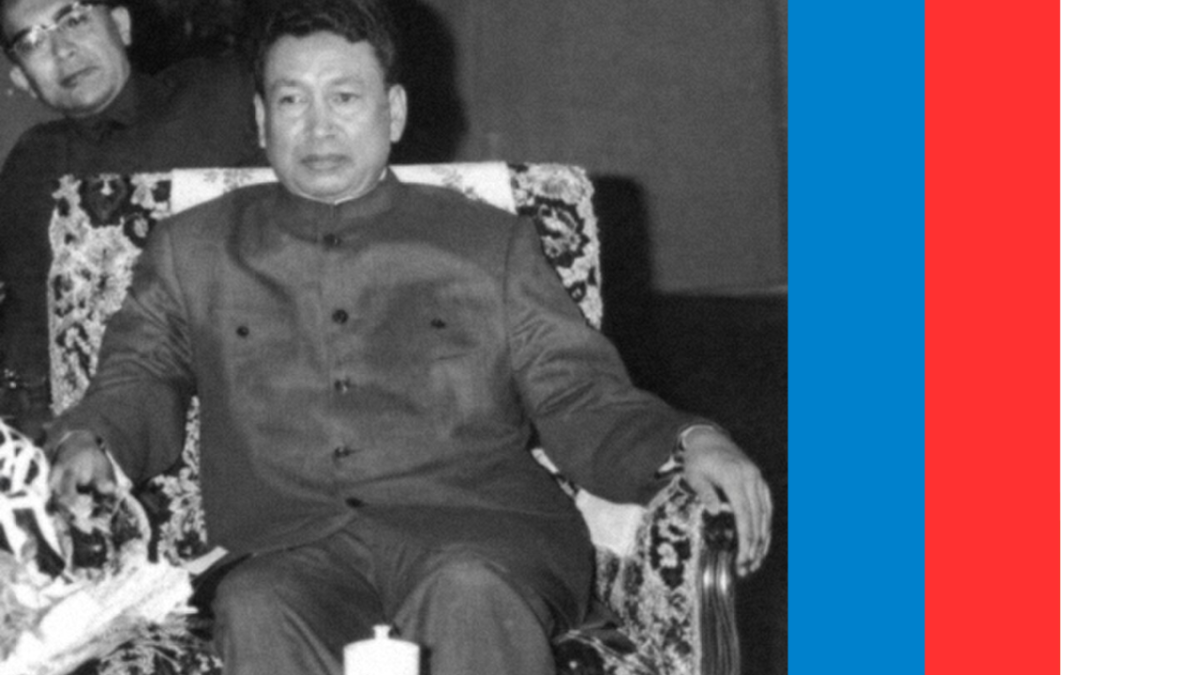
Pol Pot’s early life does not immediately suggest the horror that would follow. He studied abroad, taught in Cambodia, and moved through intellectual and political circles before becoming the face of the Khmer Rouge. To outsiders, he could seem quiet, ideological, even ordinary.
Once in power, that ordinary mask fell away. Pol Pot tried to remake Cambodia into an extreme agrarian society by force. Cities were emptied, families were torn apart, education was treated like a crime, and countless people died through execution, starvation, overwork, and disease.
His story shows how dangerous ideas become when placed in the hands of people who believe human beings are raw material. Pol Pot did not simply rule a country. He tried to erase its memory, punish its intelligence, and rebuild society on fear.
Nicolae Ceaușescu
Nicolae Ceaușescu came from a poor rural background and worked as a young apprentice before climbing the ranks of Romania’s Communist Party. His rise looked, at first glance, like the story of a man escaping hardship through discipline and political loyalty. But ambition hardened into vanity.
As Romania’s leader, Ceaușescu built a suffocating dictatorship around surveillance, propaganda, and personal worship. He presented himself as the father of the nation while ordinary people faced shortages, fear, and repression. His government controlled speech, crushed dissent, and demanded loyalty as if the entire country existed to praise him.
His downfall was brutal and sudden, but the damage had already been done. Ceaușescu showed how power can turn insecurity into national policy. A man who once knew poverty ended up ruling over suffering from behind the walls of privilege and paranoia.
Idi Amin

Idi Amin rose through the military, not through royal blood or polished political schooling. He had little formal education and built his identity around physical strength, military loyalty, and intimidation. At first, he could appear charismatic, funny, and strangely charming to those who underestimated him.
After taking power in Uganda, Amin became a symbol of unpredictable brutality. His regime was marked by political killings, repression, ethnic persecution, disappearances, and economic chaos. The charm became a menace, and the jokes became warnings.
Amin’s story is a reminder that cruelty does not always arrive wearing a serious face. Sometimes it smiles, entertains, boasts, and plays the clown before the violence begins. Power gave him the stage, and fear kept many people too silent for too long.
Robert Mugabe
Robert Mugabe began as a teacher and liberation figure, someone many people once viewed as intelligent, disciplined, and committed to justice. He spoke the language of freedom after years of colonial rule and white minority domination. In the early days, many hoped he would guide Zimbabwe into a stronger future.
Over time, that promise curdled. Mugabe held onto power for decades as political repression, intimidation, disputed elections, corruption, and economic collapse damaged the country he once claimed to liberate. The freedom fighter became the ruler who could not let go.
Mugabe’s story is painful because it begins with real hopes. It shows how liberation can rot when leaders start treating a nation like personal property. A person can fight oppression, then become oppressive once power feels too sweet to surrender.
Mobutu Sese Seko
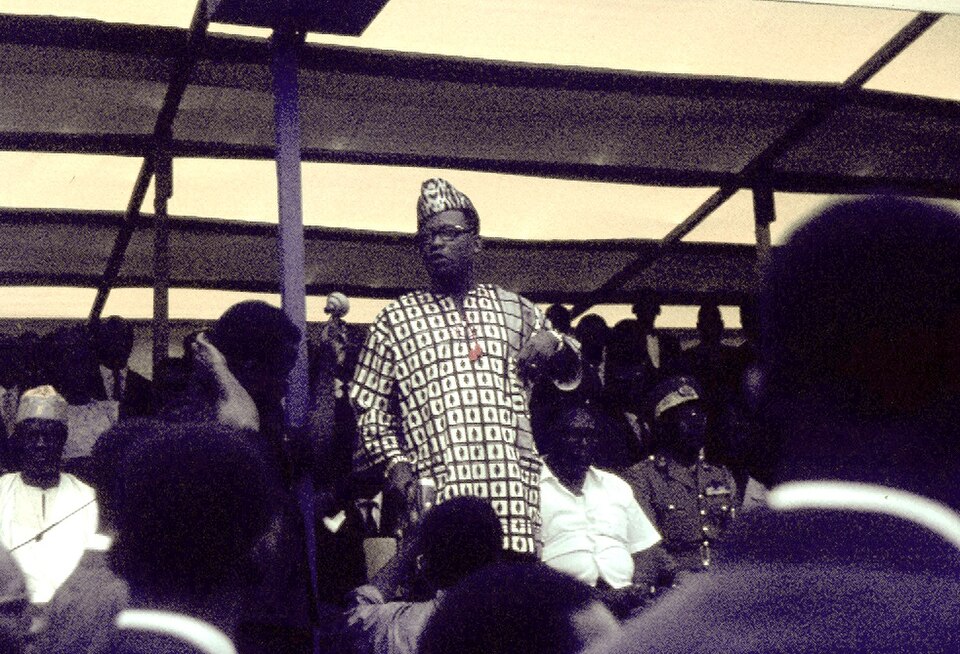
Mobutu Sese Seko started as a soldier and journalist before becoming one of Africa’s most infamous strongmen. He was sharp, observant, and politically useful in a country struggling through a crisis. At first, he looked like a man who understood communication and order.
Then, power became a machine for personal wealth and control. Mobutu ruled Zaire for more than three decades, surrounding himself with luxury while corruption and repression hollowed out the state. His leadership became closely tied to kleptocracy, in which public office becomes private treasure.
Mobutu’s evil was not only found in violence. It was found in what he drained from the future. Schools, roads, institutions, and public trust all suffered under a system built around one man’s appetite. That is another form of destruction, slower than war but no less devastating.
Conclusion
The scariest part of these stories is not that these men became powerful. It is that many of them seemed ordinary before history gave them a stage. They had jobs, disappointments, ambitions, insecurities, talents, and grudges like countless other people.
Power did not invent every flaw inside them. It magnified those flaws until they became national disasters. That is why societies need strong institutions, free speech, honest courts, brave citizens, and leaders who can be removed before ambition turns poisonous.
The warning is simple. Evil does not always begin with a monster. Sometimes it begins with an ordinary person who gets power, loses restraint, and discovers that too many people are afraid to say no.