10 Public Habits That Make Strangers Hate You
Some people walk into public spaces like the rest of America is just background furniture. They blast their phones, block walkways, treat bathrooms like crime scenes, and behave as if everyone else signed a silent agreement to tolerate the nonsense. The worst part is that these moments usually happen when people are already tired, hungry, late, or trapped in a line they cannot escape.
Public manners still matter because strangers share more space than they realize. Grocery aisles, airports, restaurants, trains, stadiums, parks, and waiting rooms all run on a quiet social contract. Nobody expects perfection. People cough, trip, spill coffee, answer emergency calls, and have awkward moments. The problem begins when someone turns a shared space into their personal disaster zone and expects everyone else to pretend it is normal.
Eating like nobody else has senses
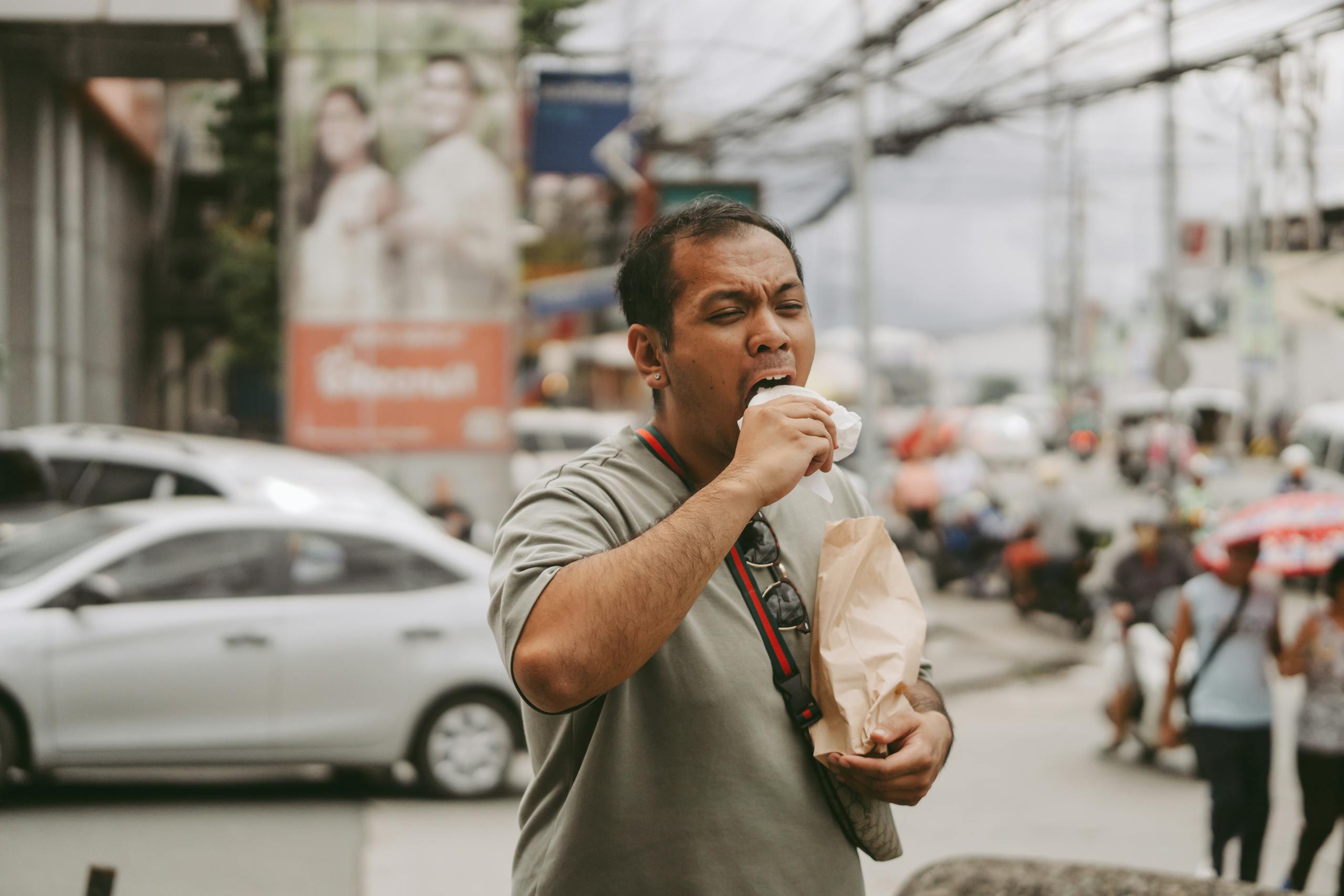
Food can be messy, and nobody expects people to eat like royalty at a baseball game or food court. Still, there is a difference between enjoying a snack and turning lunch into a public spectacle. Loud chewing, open-mouth eating, finger licking, sauce dripping, food falling, and aggressive slurping can make everyone nearby regret having eyes and ears.
This habit becomes worse in cramped spaces. A bus, a plane, a subway, an office break room, or a stadium row gives strangers no escape. The smell, sound, and sight travel fast. Messy eating also creates cleanup problems when wrappers, crumbs, and spills are left behind. Enjoy the food, but stay aware. America has survived many things. It should not have to survive your cheese-covered chin at full volume.
Playing music out loud like silence offended you.
A phone speaker in public can feel like a tiny weapon. One person decides everyone nearby must hear their playlist, video, game, or livestream. The sound bounces through buses, parks, beaches, sidewalks, waiting rooms, and checkout lines. It is never as charming as the person thinks it is.
The reason this habit bothers people is simple. It removes choice. Strangers cannot unhear your music or your videos. Headphones exist for exactly this reason. Nobody cares if your song is good, your clip is funny, or your game is intense. The public problem is not taste. It is volume. Shared space works better when people do not treat it like their living room.
Taking loud phone calls as if the room belongs to you.

A loud public phone call can ruin a quiet room faster than a fire alarm with confidence issues. Nobody in a waiting room, restaurant, graduation hall, or grocery line needs to hear both sides of your family drama through speakerphone. It feels even worse when the caller keeps pacing, laughing, arguing, or repeating private details as if they were hosting a live podcast.
This habit annoys people because it steals the room’s peace. A quick call is understandable, especially during an emergency. A full-volume conversation about bills, breakups, office gossip, or dinner plans is different. It tells everyone nearby that your convenience matters more than their comfort. The polite move is simple. Step outside, lower your voice, or text like the rest of civilization is trying to survive the day.
Getting too close to strangers
Personal space may not be written on the floor, but most people feel it when it’s violated. Standing too close in line, leaning over shoulders, touching strangers without permission, crowding seats, hovering at ATMs, or pressing into people in stores can make ordinary errands feel tense. Even friendly people have invisible borders.
This habit becomes more irritating because it is so easy to avoid. Give people room. Wait for your turn. Do not breathe down someone’s neck because the cashier is moving slowly. Do not touch someone to get past unless words will not work. Public closeness should happen because the space is packed, not because one person has no awareness. Respecting distance is one of the quietest ways to show class.
Filming strangers without asking

Pulling out a phone to record a stranger may feel casual now, but it can make the other person feel exposed, mocked, or unsafe. Social media has trained people to treat public life like free content, yet nobody wants to become a viral clip for looking tired at Target or eating lunch alone at the mall. A random camera pointed at someone can turn an ordinary moment into an invasion.
This behavior feels especially ugly because the person being filmed often has no control over it. They may not know where the video will go, who will see it, or how the caption will twist the scene. Public does not mean permissionless. If something is not dangerous, newsworthy, or clearly consented to, people should think twice before recording. The world needs fewer strangers turned into entertainment.
Treating public bathrooms like personal wreckage zones
Public bathrooms reveal a lot about people, and sometimes the lesson is horrifying. Some users leave sinks soaked, paper towels scattered, toilets destroyed, and mystery stains behind as if invisible employees exist to clean up their personality flaws. Everyone else enters later and pays the price.
The issue is not just disgust. It is disrespectful. A bathroom is already one of the most vulnerable shared spaces people use in public. Leaving it filthy tells the next person that their comfort does not matter. It also makes workers clean up messes they never should have had to deal with. Basic decency means flushing, washing, wiping, properly tossing trash, and leaving the place as another human being would use it next.
Doing personal grooming while people eat or sit

Clipping nails on a train, flossing in stadium seats, picking teeth at a table, or digging through grooming routines in a shared space can turn nearby stomachs instantly. These actions may feel small to the person doing them, but they land differently when strangers are close enough to hear, see, or smell the details. Public grooming can make the whole area feel contaminated.
There is a reason bathrooms, mirrors, and private homes exist. People understand fixing a stray hair or checking their teeth quickly after a meal. They do not want a full salon, dentist visit, or nail station next to their sandwich. The line is not hard to understand. If pieces of your body might fall, fly, dangle, scrape, or land near others, save them for private space.
Blocking walkways like you are a tourist attraction
Some people stop in the middle of sidewalks, at store entrances, on escalators, in parking lots, and in airport corridors as if traffic laws do not apply to human bodies. They check their phones, argue with friends, dig through bags, or stare at signs while everyone behind them performs an awkward shuffle of rage. Nothing says “I forgot other people exist” like becoming a human roadblock.
This habit irritates strangers because it creates instant chaos. People are trying to get to work, catch flights, unload groceries, reach appointments, or move kids through crowded places. Standing still in the wrong spot forces everyone else to dodge, wait, or squeeze around you. The fix is easy. Move to the side. Gather yourself there. Let the river of people keep flowing.
Bringing pets everywhere without thinking

Pets are family to many Americans, but that does not mean every public place is ready for paws, fur, barking, sniffing, and surprise accidents. Some people bring animals into stores, restaurants, and crowded indoor spaces without considering allergies, fear, hygiene, or rules. Then they act shocked when strangers look uncomfortable.
This issue gets emotional because many people love animals deeply. Still, loving a pet does not erase the needs of everyone else. A well-trained service animal is different from a bored dog dragging its leash through a grocery aisle. Public spaces need balance. If a pet is anxious, noisy, untrained, or not allowed, leaving it at home may be kinder to everyone, including the animal.
Letting kids run wild in adult spaces
Children make noise. Children get restless. Most decent people understand that. The problem begins when parents treat public spaces like free babysitting zones, and everyone else must absorb the chaos. Kids sprint between restaurant tables, scream through movie scenes, climb on furniture, bump into strangers, or grab things while adults look away, as if the situation belongs to someone else.
This habit creates tension because people do not want to seem cruel toward children. Still, public patience has limits. A kid having a hard moment is one thing. A parent refusing to manage obvious disruption is another. Restaurants, theaters, airports, stores, and waiting rooms become miserable when adults surrender control. Public parenting does not require perfection. It requires attention.
Key takeaway

Public manners are not about acting fancy. They are about remembering that other people exist. The phone call, the mess, the loud video, the blocked doorway, the wandering pet, and the stranger filmed without permission all send the same message. My comfort matters more than yours.
The good news is that basic decency is not complicated. Lower the volume. Step aside. Clean up. Ask before filming. Keep grooming private. Respect personal space. Most public rules come down to one simple idea. Do not make strangers carry the cost of your carelessness.