7 Bowel Cancer Warning Signs That May Show Up in Your Mouth, According to Dentists
Your mouth can sometimes tell a story your body has not yet spoken aloud. Dentists do more than check teeth, fill cavities, and remind people to floss. During a routine dental exam, they may notice changes in the gums, tongue, lips, and other soft tissues that may indicate a deeper health issue.
Some of those changes can be linked to low iron levels, anemia, poor nutrient absorption, or hidden bleeding. That matters because bowel cancer can sometimes cause slow internal bleeding, which may lead to iron deficiency anemia.
The mouth signs listed below do not necessarily indicate cancer. Still, if they appear suddenly, keep coming back, or arrive with bowel changes, blood in stool, unexplained weight loss, tiredness, or stomach pain, they deserve proper medical attention.
Pale Gums That Look Washed Out
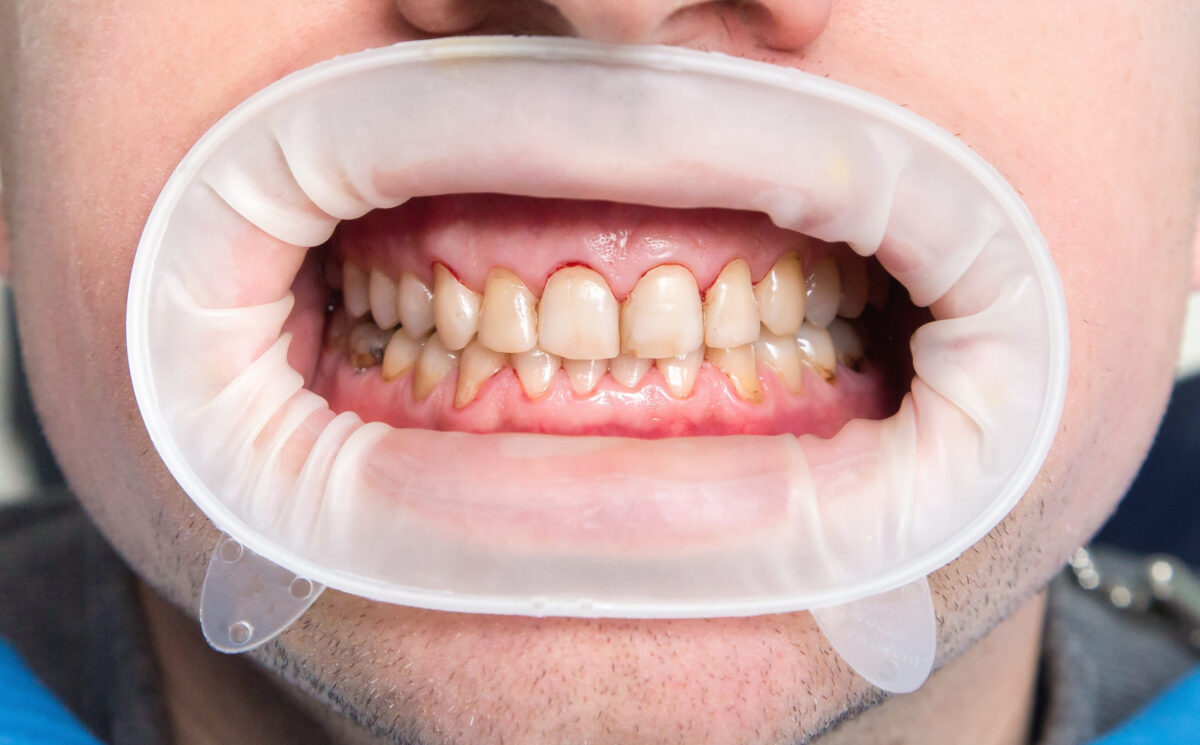
Healthy gums usually have a natural pink tone, although normal color can vary from person to person. When gums suddenly look pale, greyish, or unusually washed out, dentists may see it as a possible sign of anemia. This happens when the body does not have enough healthy red blood cells to carry oxygen well.
Bowel cancer can sometimes cause hidden bleeding in the digestive tract, and that bleeding may lower iron levels over time. A person may not always see blood in the toilet, especially if the bleeding is slow or internal. Pale gums alone are not a diagnosis, but they can be one clue that the body needs a blood test and a closer look.
A Smooth, Sore, or Burning Tongue
The tongue can change when the body is short on iron, vitamin B12, or folate. Dentists may notice that it looks unusually smooth, shiny, red, swollen, or tender. Some people describe it as a burning sensation, as if the tongue has been lightly scalded by hot tea.
This mouth sign matters because iron deficiency can be connected to blood loss from the gut. If the tongue feels sore for days, makes eating uncomfortable, or appears different from normal, it should not be ignored. A doctor can check blood levels and decide if further digestive testing is needed.
Cracks at the Corners of the Mouth

Painful cracks at the corners of the lips can look like dry skin, but they may point to something deeper. Dentists call this angular cheilitis, and it can be linked to low iron, vitamin deficiencies, fungal irritation, or immune changes. The corners may split, sting, crust, or reopen every time you talk, laugh, or eat.
When this problem keeps returning, it is worth asking why the body is not healing properly. In some cases, low iron may be part of the answer. Since unexplained iron deficiency in adults can sometimes come from digestive bleeding, recurring cracks around the mouth should be mentioned to both a dentist and a doctor.
Mouth Ulcers That Keep Coming Back
Most mouth ulcers are harmless and clear up on their own. Stress, accidental biting, sharp foods, toothpaste ingredients, and minor infections can all trigger them. But ulcers that keep returning, take too long to heal, or appear alongside tiredness and pale gums should get more attention.
Low iron and some vitamin deficiencies can make the mouth more vulnerable to ulcers. If those deficiencies are caused by hidden blood loss, the real problem may be far from the mouth. A dentist may treat the sore area, but a doctor may need to investigate the reason it keeps happening.
A Strange Taste in the Mouth

A strange taste in the mouth can be easy to dismiss. Some people describe it as metallic, sour, bitter, or simply “off.” It may be caused by medications, dental problems, acid reflux, infections, dehydration, or nutrient deficiencies.
Iron deficiency anemia has been linked to changes in taste, which makes this symptom worth noting when it appears alongside other warning signs. One odd taste after a meal is usually not alarming. A taste change that lingers, comes with fatigue, or appears alongside bowel symptoms deserves a proper check.
Painful Sores or Redness Inside the Mouth
Dentists pay close attention to red, sore, inflamed, or fragile-looking tissue inside the mouth. Low iron can affect the lining of the mouth, making it more sensitive and slower to heal. That can lead to soreness, redness, irritation, or discomfort during eating and brushing.
This does not mean every sore patch is connected to bowel cancer. Many mouth problems start locally, from dental irritation and infection to smoking, alcohol, or poor-fitting dental work. But if the soreness keeps returning and no clear dental cause appears, the next step should be a medical review, especially if the person also has bowel changes or unexplained tiredness.
Difficulty Swallowing or Mouth Pain That Feels Unusual

Difficulty swallowing can come from many causes, including reflux, throat irritation, infection, anxiety, or other medical conditions. Still, iron deficiency anemia has been associated with swallowing problems in some people. Dentists and doctors take this seriously when it appears with mouth soreness, tongue changes, or signs of low iron.
This symptom warrants prompt attention if it persists, worsens, impairs eating, or is accompanied by weight loss. Bowel cancer is not the most common reason for swallowing trouble, but unexplained anemia can sometimes lead doctors to check the digestive system. The safest move is to avoid guessing and get examined.
Conclusion
The mouth is not a crystal ball, and no dentist can diagnose bowel cancer simply by looking at your gums or tongue. What dentists can do is spot signs that something in the body may need attention. Pale gums, a sore tongue, cracked mouth corners, recurring ulcers, strange taste, mouth redness, and unusual swallowing discomfort can all point to low iron or other health problems.
The real red flag is persistence. If these signs appear once and disappear, they may be minor. If they keep returning, worsen, or come with bowel changes, blood in stool, unexplained weight loss, tiredness, bloating, or stomach pain, book a medical appointment. Early checking can turn a frightening possibility into a treatable answer, and that is always better than waiting in silence.