8 Common Foods Quietly Poisoning Your Body Without Warning
You think your kitchen is safe, but lurking on your shelves are foods quietly sabotaging your health. Every bite could be feeding hidden toxins, bacteria, or chemicals that accumulate silently in your body, leaving damage you may not notice until it’s too late. Below, we reveal 8 everyday foods that can slowly poison you, along with how to avoid turning your next meal into a health hazard.
These foods are not automatically lethal, but careless preparation, repeated consumption, or hidden contaminants can turn ordinary staples into dangerous threats. Understanding what to watch out for is the first step to protecting your body from silent harm.
High-Mercury Fish
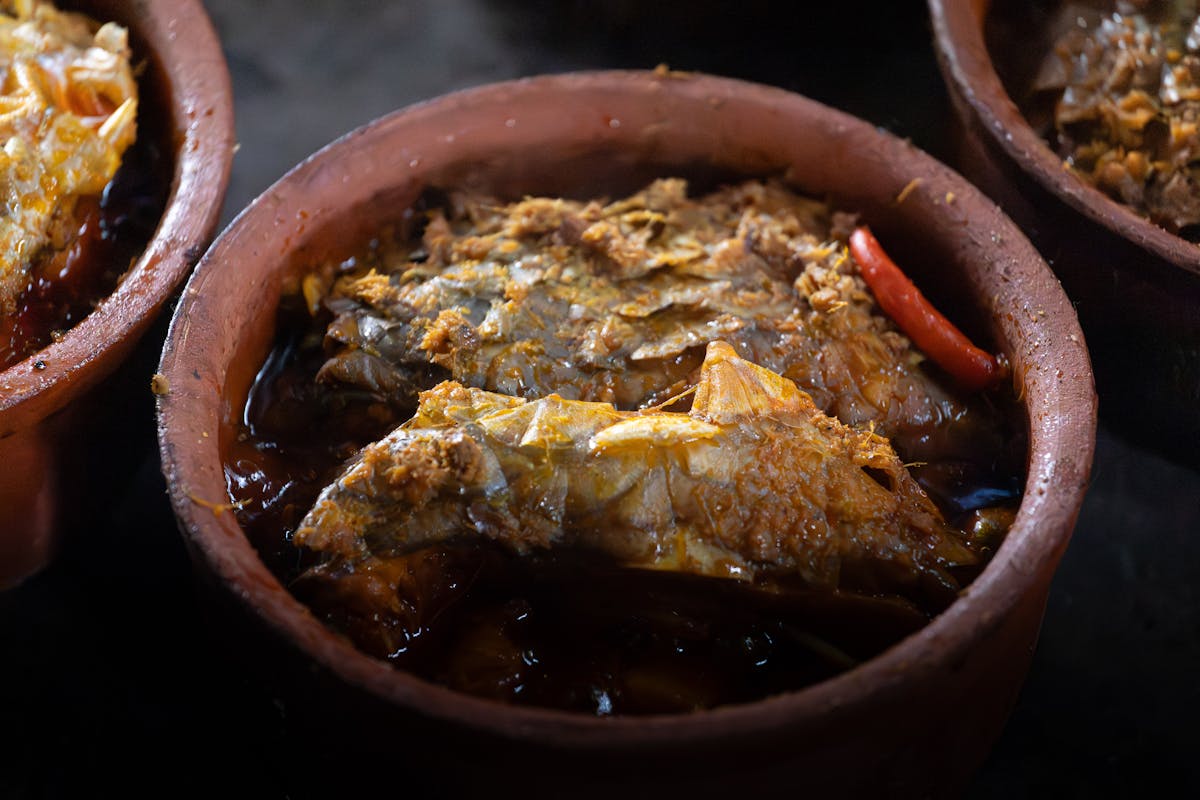
Fish is often seen as healthy, but large predatory species such as shark, swordfish, king mackerel, and bigeye tuna can accumulate dangerous levels of methylmercury. Eating these fish regularly can quietly damage your nervous system, impair memory, and disrupt coordination over time.
The risk is invisible; one meal may feel safe, but repeated exposure quietly builds toxic levels in your body. Choosing lower-mercury fish such as salmon, sardines, or trout is essential to avoid a hidden neurological threat.
Raw or Undercooked Kidney Beans

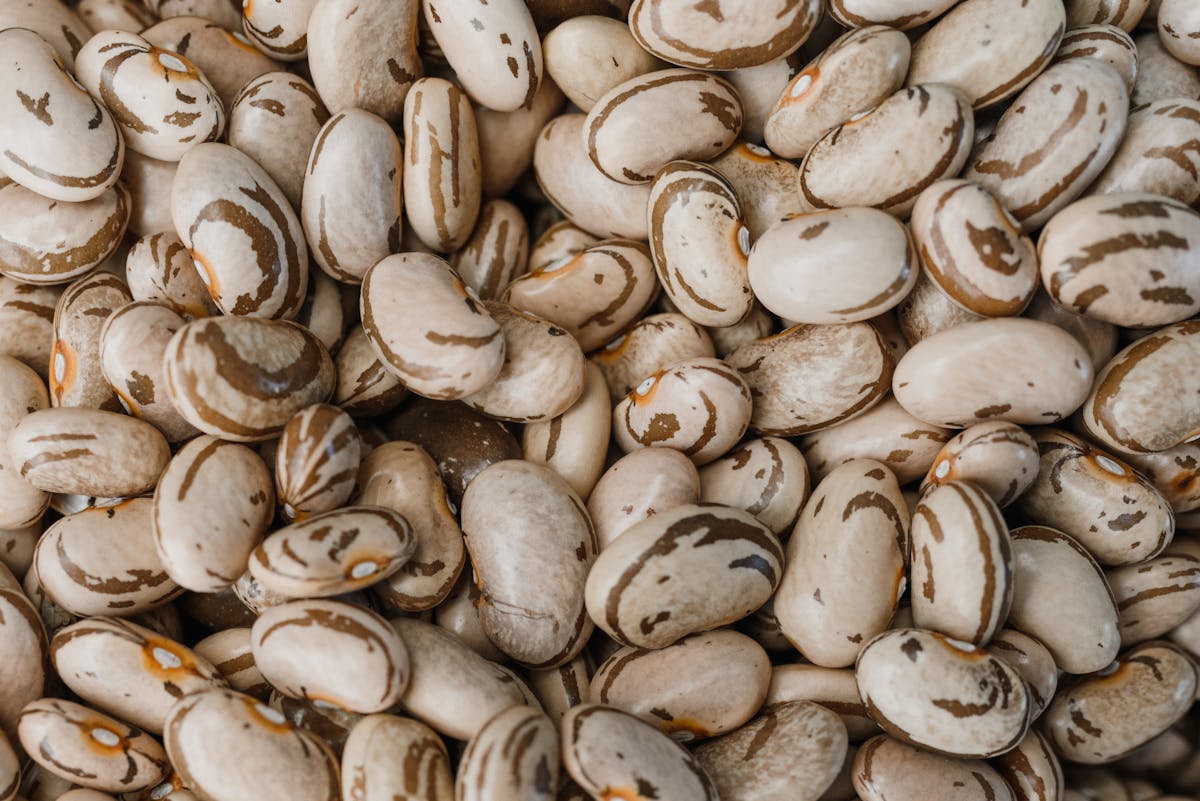
Raw or undercooked kidney beans contain high levels of phytohaemagglutinin, a lectin that can cause sudden, violent vomiting, nausea, and diarrhea. A single undercooked serving can overwhelm your digestive system within hours.
Proper preparation is critical: dry beans must be soaked, drained, and boiled vigorously before consumption. The danger is not in the beans themselves but in the casual assumption that gentle cooking is sufficient.
Green or Sprouted Potatoes
Potatoes become dangerous when they develop green spots or sprouts, as they contain solanine and chaconine, toxins that affect the digestive and nervous systems. Consuming even slightly green or bitter potatoes repeatedly can silently harm your health.
Discarding potatoes that are sprouting, bitter, or green, and storing them in cool, dark conditions, can prevent this hidden threat. Eating a seemingly harmless potato can turn into a toxic risk if these natural defense chemicals are ignored.
Raw Sprouts
Alfalfa, mung bean, radish, and clover sprouts may look fresh, but grow in conditions ideal for Salmonella, E. coli, and Listeria. These bacteria penetrate the seed, making surface washing ineffective and turning raw sprouts into a silent foodborne hazard.
Cooking sprouts thoroughly neutralizes most of the risk, but raw servings, especially for young children, pregnant women, or immunocompromised individuals, can lead to severe illness. A crunchy salad can quickly become a dangerous gamble.
Raw Milk and Unpasteurized Cheese
Unpasteurized milk and cheese can hide Campylobacter, E. coli, Listeria, and Salmonella, exposing unsuspecting consumers to severe foodborne illnesses. The germs can survive in raw dairy without altering taste or smell, making them invisible killers in the fridge.
Pasteurization eliminates these risks, but raw products consumed regularly are a recipe for repeated contamination and illness. Infants, older adults, and people with weakened immunity face the greatest danger.
Burnt Toast, Fries, And Chip
Overcooked starchy foods like dark toast, French fries, potato chips, and baked crackers contain acrylamide, a chemical that forms during high-heat cooking and can damage the body over time. The darker and more charred the food, the higher the hidden chemical burden.
Reducing exposure requires cooking potatoes and bread to a golden shade rather than dark brown and avoiding burnt edges. Casual overcooking quietly introduces a compound linked to long-term health risks.
Moldy Nuts and Grains
Peanuts, corn, and tree nuts can develop aflatoxins, highly toxic compounds produced by mold in warm, humid conditions. Aflatoxins are invisible beyond the surface, silently increasing liver damage and cancer risk with repeated consumption.
Discarding moldy products and storing grains and nuts properly are essential. What seems like harmless, moldy peanuts could be a potent, slow-acting poison.
Honey
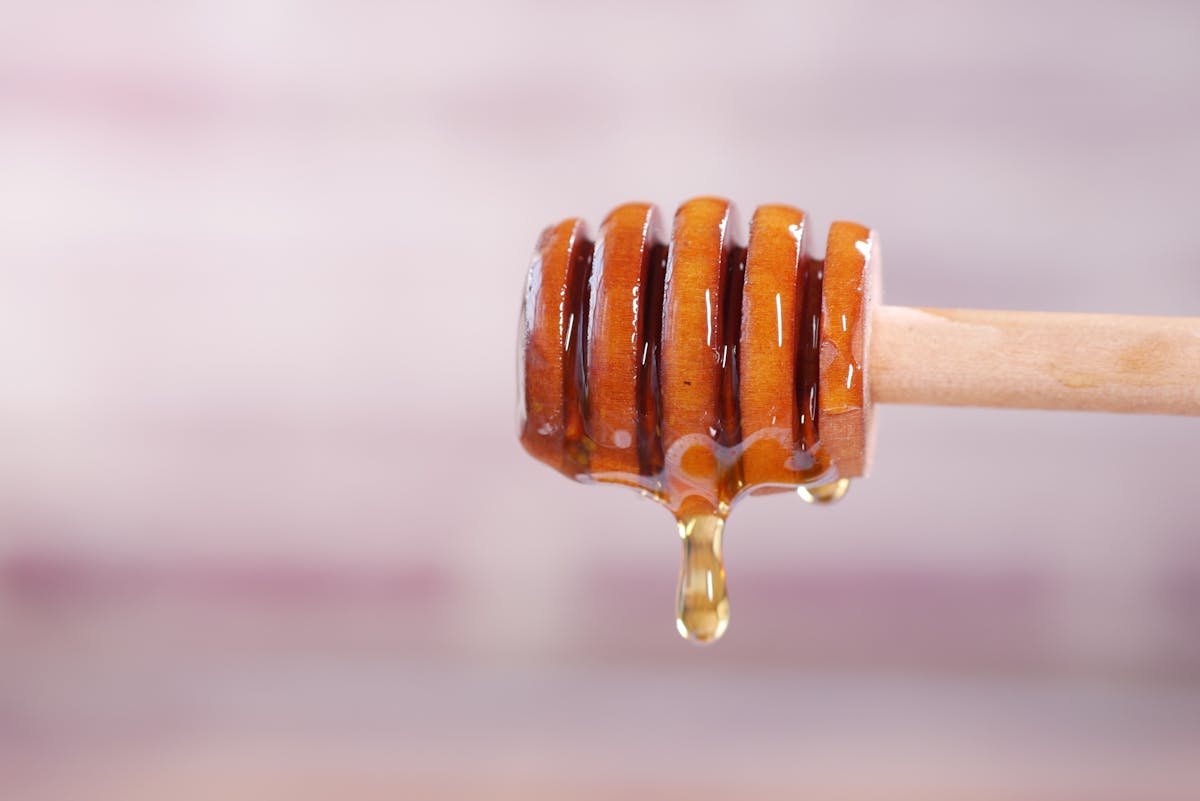
Honey may seem safe, but it can contain Clostridium botulinum spores, which are deadly to babies under 12 months old. Infant botulism can lead to muscle weakness, poor feeding, breathing difficulties, and potentially fatal complications.
Adults handle honey safely, but giving it to infants is a silent risk that parents must avoid entirely. One small teaspoon can be the difference between health and a dangerous medical emergency.
Conclusion
These eight common foods are quietly dangerous when preparation, consumption, or storage is neglected. Mercury fish, undercooked beans, sprouted potatoes, raw sprouts, unpasteurized dairy, burnt starchy foods, moldy nuts, and honey for infants all carry invisible risks that can slowly harm the body.
The safest kitchen is one where awareness guides every meal. Avoiding repeated exposure, following proper preparation, and discarding questionable items turns silent hazards into manageable, safe nutrition. Knowledge, discipline, and vigilance are your strongest defenses against food quietly poisoning your health.