Top Foods That Are Highly Dangerous and Cause High Blood Pressure in Seniors’ Health
High blood pressure is a silent threat that affects millions, especially seniors, and diet plays a pivotal role in managing it. Certain everyday foods and drinks can quietly elevate your blood pressure, increasing the risk of heart disease, stroke, and kidney problems. Understanding these culprits and knowing healthier alternatives can help maintain cardiovascular health while keeping meals satisfying and enjoyable.
Sodium-Heavy Snacks and Processed Foods
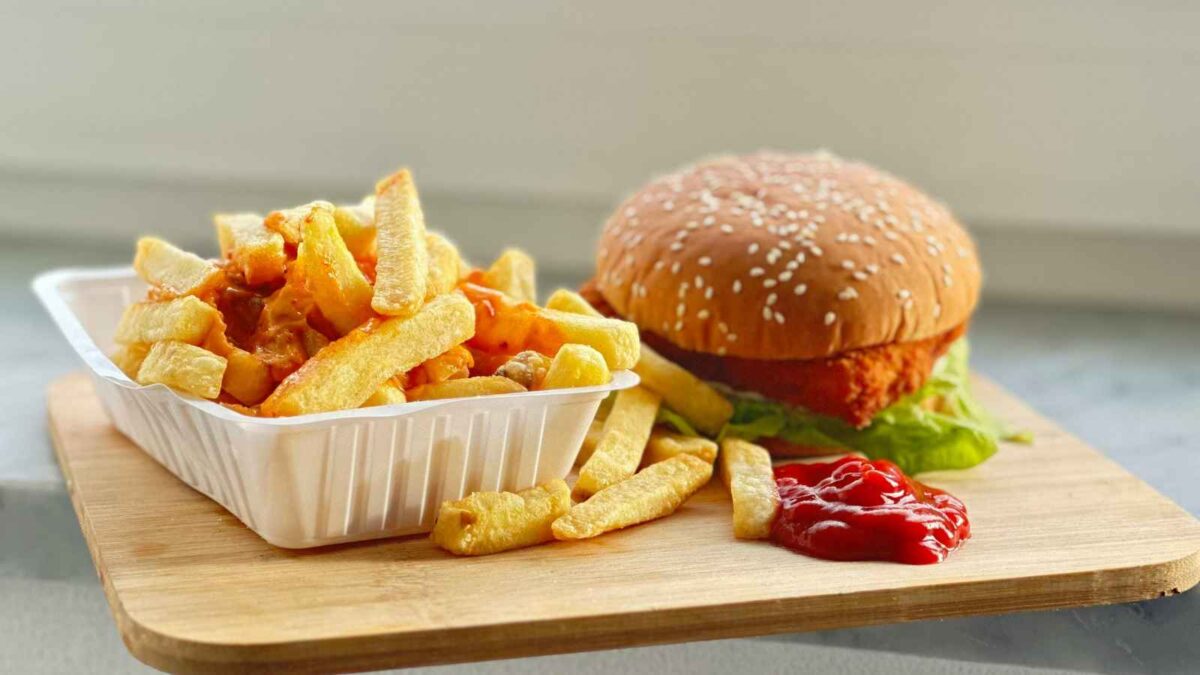
Many common foods contain surprisingly high amounts of sodium, which causes the body to retain water and increases blood volume, putting extra pressure on arteries. Regular intake of chips, pretzels, canned soups, cured meats, and processed cheeses can lead to chronic hypertension over time.
Sodium overload also strains the kidneys, reducing their ability to regulate fluid and electrolytes effectively. For seniors, substituting fresh or minimally processed foods and using herbs and spices for flavor instead of salt can dramatically support heart health.
Excess Sugar and Sweetened Foods
Foods high in sugar, including desserts, sweetened beverages, flavored yogurts, and granola, contribute to weight gain, insulin resistance, and inflammation. Abdominal fat and metabolic imbalances increase the workload on the heart, indirectly elevating blood pressure.
Chronic sugar consumption stiffens blood vessels and triggers inflammation, making arteries less flexible. Opting for whole fruits, natural sweeteners, and fiber-rich foods reduces these risks and supports stable vascular health.
Red Meat and Saturated Fats

Red meats and fatty cuts contain saturated fats that raise LDL cholesterol, promoting plaque buildup in arteries. Over time, this narrows blood vessels, restricting blood flow and elevating blood pressure.
Cooking methods like frying or grilling can generate inflammatory compounds, while processed meats like bacon or deli cuts add sodium and preservatives, compounding the effect. Choosing lean cuts, plant-based proteins, or fish helps reduce cardiovascular strain.
Condiments and Pickled Foods
Ketchup, soy sauce, salad dressings, and pickled vegetables often hide high sodium levels, sometimes exceeding half of the recommended daily intake in just a tablespoon. Frequent consumption increases fluid retention, raises blood volume, and heightens vascular pressure, which is dangerous to your health.
Additionally, some condiments contain added sugars and unhealthy fats, amplifying the negative impact on cardiovascular health. Using low-sodium alternatives, homemade dressings, and smaller portions can effectively mitigate these risks.
Fried Foods and Trans Fats
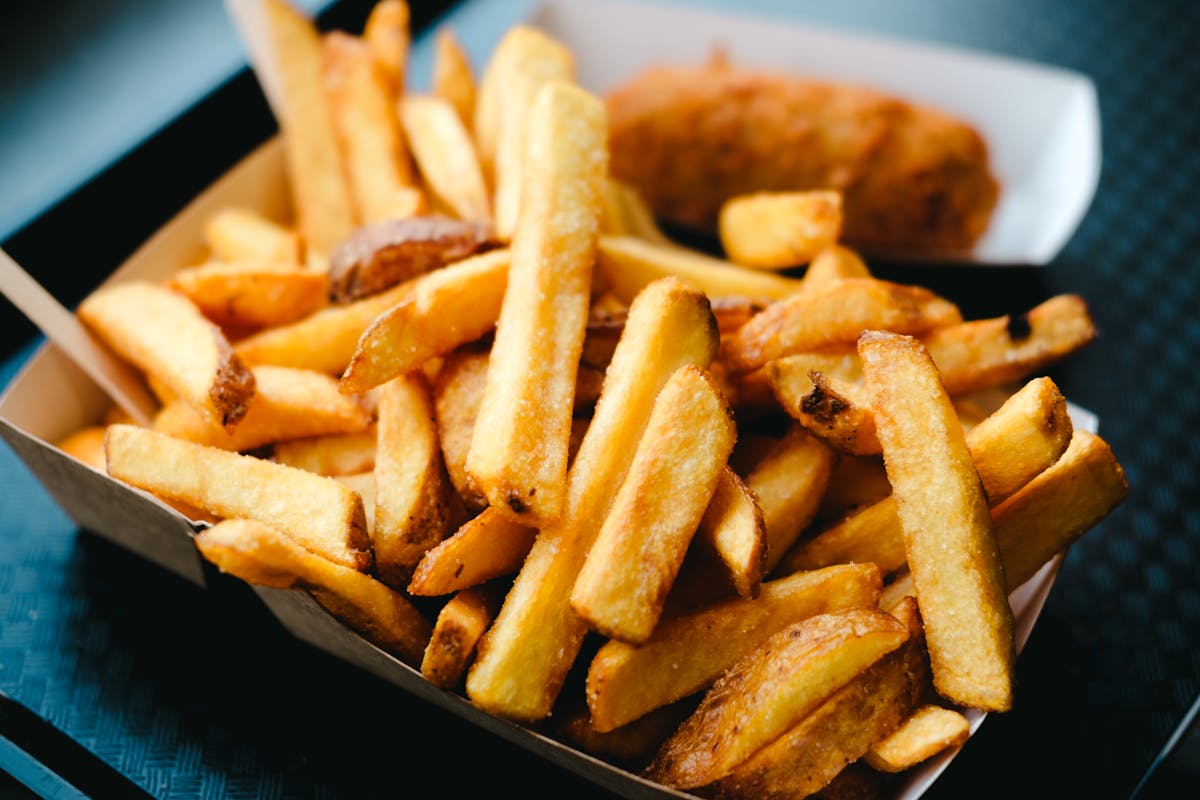
Deep-fried foods absorb significant amounts of oil, increasing saturated and trans fat content, which raises LDL cholesterol and narrows arteries. This leads to higher blood pressure and elevates the risk of heart attacks or strokes.
Combining fried foods with high-sodium seasonings compounds vascular stress. Baking, grilling, or air-frying foods provides a healthier alternative that protects blood pressure and supports long-term cardiovascular health.
Fast Food and Restaurant Meals
Restaurants and fast foods are often loaded with hidden sodium, trans fats, and refined sugars to enhance flavor. Portions are typically oversized, encouraging overeating and weight gain, both of which are key contributors to hypertension.
Even seemingly healthy menu options can contain salt-laden sauces or dressings. Preparing meals at home with fresh ingredients allows precise control over sodium, fat, and sugar content while maintaining nutrition and taste.
Alcohol, Caffeine, and Sugary Beverages

Alcohol in excess constricts blood vessels and can damage heart muscle, causing irregular heart rhythms and elevated blood pressure. Limiting intake to one drink a day for women and two for men is advised.
Caffeine in coffee and energy drinks can temporarily spike blood pressure, especially in sensitive seniors. Sugary drinks like soda or sweetened juices contribute to inflammation, insulin resistance, and weight gain. Choosing water, herbal teas, or fruit-infused drinks is a safer strategy for heart health.
Practical Strategies for Blood Pressure Management
In addition to avoiding high-risk foods, seniors can focus on nutrient-dense, heart-healthy choices:
Potassium-rich foods like bananas, leafy greens, and oranges help balance sodium levels and relax blood vessels.
Magnesium sources such as nuts, seeds, and whole grains support vascular tone and blood pressure regulation.
Antioxidant-rich foods, including berries, tomatoes, and cruciferous vegetables, reduce inflammation and arterial stiffness.
Adopting eating patterns like the DASH diet emphasizes fruits, vegetables, lean proteins, whole grains, and healthy fats, creating a sustainable framework for blood pressure control.
Conclusion

High blood pressure is a manageable condition, but everyday dietary choices have a profound effect on cardiovascular health. Reducing sodium, sugar, saturated fats, and processed foods while prioritizing fruits, vegetables, lean proteins, and hydration supports arterial flexibility and optimal heart function.
By making intentional adjustments and incorporating heart-healthy nutrients, seniors can maintain stable blood pressure, enhance overall health, and significantly lower the risk of long-term complications.