10 Alarming Ways Sleeping Apart Is Slowly Killing Your Relationship
What starts as a practical solution for snoring, insomnia, or mismatched schedules can quickly become a silent relationship killer. Couples may think separate bedrooms improve rest, but the hidden cost is often emotional distance, lost intimacy, and growing resentment that no amount of sleep can fix. Every night spent apart without deliberate effort risks creating habits that quietly destroy closeness, trust, and passion.
These 10 alarming ways illustrate how sleeping apart can erode even the strongest partnerships, showing that small decisions about bedtime can have far-reaching consequences for love, communication, and connection.
The Shared Space of Emotional Intimacy Disappears
Bedrooms are more than a place to sleep. They are where couples decompress, share their daily thoughts, and nurture a sense of team and togetherness. When partners begin sleeping apart, the natural moments of connection at night vanish, leaving emotional distance that slowly grows over time.
Without intentional shared routines or nightly conversations, the bedroom can become a room of separation rather than closeness. Emotional intimacy relies on repeated gestures of presence, and without them, partners can start feeling more like roommates than lovers.
Physical Affection Fades Unnoticed

Sleeping apart removes simple but powerful opportunities for physical closeness. A touch on the arm, holding hands, cuddling, or sharing warmth at night creates connection and reinforces attraction. When these gestures disappear, even small expressions of love become optional, leaving intimacy vulnerable.
Over time, the absence of nightly contact can reduce sexual desire and emotional warmth. Couples may still live together, but the physical and emotional closeness that defines intimacy can erode quietly and persistently.
Resentment Accumulates in Silence
One partner may secretly feel unwanted, rejected, or neglected when sleeping apart, while the other assumes the arrangement is neutral or beneficial. This silent dissatisfaction builds resentment that can quietly shape daily interactions.
Even minor irritations and unspoken frustrations grow when there is no nightly opportunity to reconnect or ease tension. Over time, this hidden frustration can affect both emotional engagement and relationship satisfaction.
Evening Communication Disappears

Many couples rely on nighttime hours for honest conversation, reflection, and conflict resolution. When sleeping apart, these natural opportunities vanish unless intentionally preserved, leaving concerns and emotions unresolved.
Without this daily connection, misunderstandings accumulate, and partners become less attuned to each other’s inner lives. Emotional disconnection often begins subtly but can grow into a persistent pattern of separation.
Avoidance Becomes a Habit
Separate bedrooms can serve as a convenient escape from conflict or tension. While this may offer immediate relief, it does not address underlying issues and often becomes a habit of avoidance.
Over time, couples may stop confronting difficulties, suppress feelings, and rely on physical separation to maintain peace. Avoidance can lead to long-term detachment, making reconciliation more difficult and eroding trust and emotional security.
One Partner May Feel Less Desired
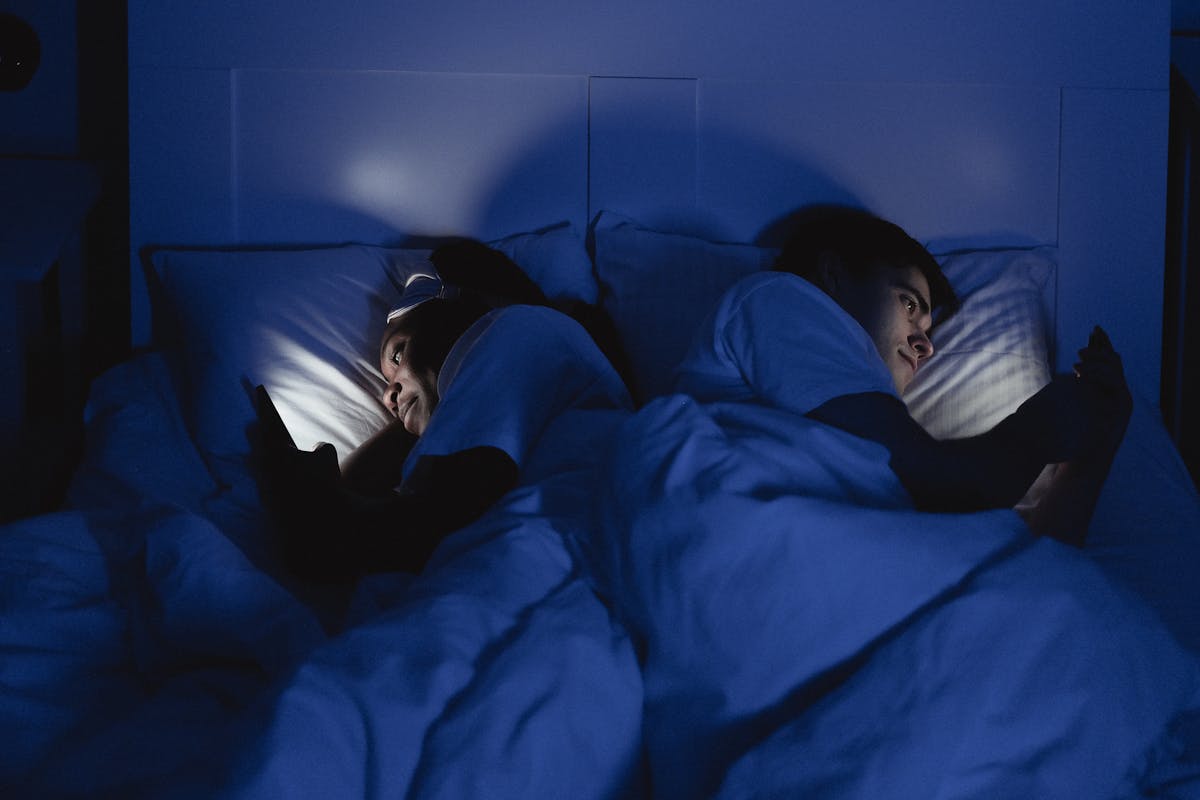
Even when separate sleeping is practical, the emotional message may be interpreted as rejection. Feeling undesired damages self-esteem, reduces willingness to initiate intimacy, and can foster emotional withdrawal.
The partner who feels avoided may stop initiating affection or conversation, which can accelerate the growth of emotional distance. Over time, these subtle shifts in behavior can create an invisible barrier that separates partners more effectively than physical distance alone.
Daily Routines Begin to Diverge
Separate bedrooms often lead to divergent routines. One partner may watch television alone, scroll on a phone, wake at different times, or follow personal habits that increase separation.
Shared rhythms and habits are essential to connection. Without them, partners may feel as though they are living parallel lives, even under the same roof, and opportunities for spontaneous affection and conversation diminish.
Small Conflicts Amplify Over Time

Without nightly opportunities to reconnect, minor disagreements can fester and escalate. The absence of routine contact allows small frustrations to grow, leading to more significant emotional distance and tension.
Conflict becomes more challenging to resolve as partners lose the natural opportunity to repair or soothe emotional wounds. The bedroom, once a space of reconciliation and closeness, becomes a room of avoidance.
The Bedroom Becomes a Symbol of Distance
As sleeping apart becomes habitual, the bedroom can symbolize emotional and physical separation. Partners may subconsciously associate sleep time with distance and detachment rather than safety, warmth, and connection.
This symbolic shift can shape interactions throughout the day. Partners may communicate less, share fewer experiences, and stop initiating gestures of care, reinforcing emotional and relational distance.
The Arrangement Stops Being Discussed
A temporary sleep solution often becomes permanent without review. Partners may assume the arrangement works while suppressing dissatisfaction. Over time, the lack of discussion allows emotional gaps to widen unnoticed.
Regular check-ins are essential to maintain emotional connection and ensure that separate sleeping does not harm intimacy. Without communication, a relationship can drift into quiet separation while appearing functional on the surface.
Conclusion
Sleeping apart can improve rest but carries hidden risks that quietly erode emotional intimacy, affection, and connection. The arrangement can accelerate resentment, diminish intimacy, disrupt routines, and create patterns of avoidance that threaten even strong relationships.
Couples must intentionally nurture emotional closeness, establish shared rituals, maintain nightly communication, and address underlying issues to prevent separate sleeping from becoming a silent relationship killer. Awareness, open dialogue, and deliberate effort are critical to preserving love and connection while accommodating personal sleep needs.