14 Body Language Mistakes That Quietly Make People Distrust You
We can choose the right words and outfit and still leave people uneasy. Trust is shaped more by how we stand, look, move, pause, listen, smile, and respond than by speech alone.
That is why body language can quietly help or harm us in job interviews, first dates, business meetings, family discussions, networking events, and ordinary conversations.
Many body language mistakes are unintentional. We check our phones out of habit, cross our arms for comfort, look away to think, or force a polite smile. The other person registers the signal, not the intent.
With that in mind, let’s look at some of the most damaging body language mistakes that can make people distrust us before we realize what happened.
Avoiding Eye Contact Makes Confidence Look Weak
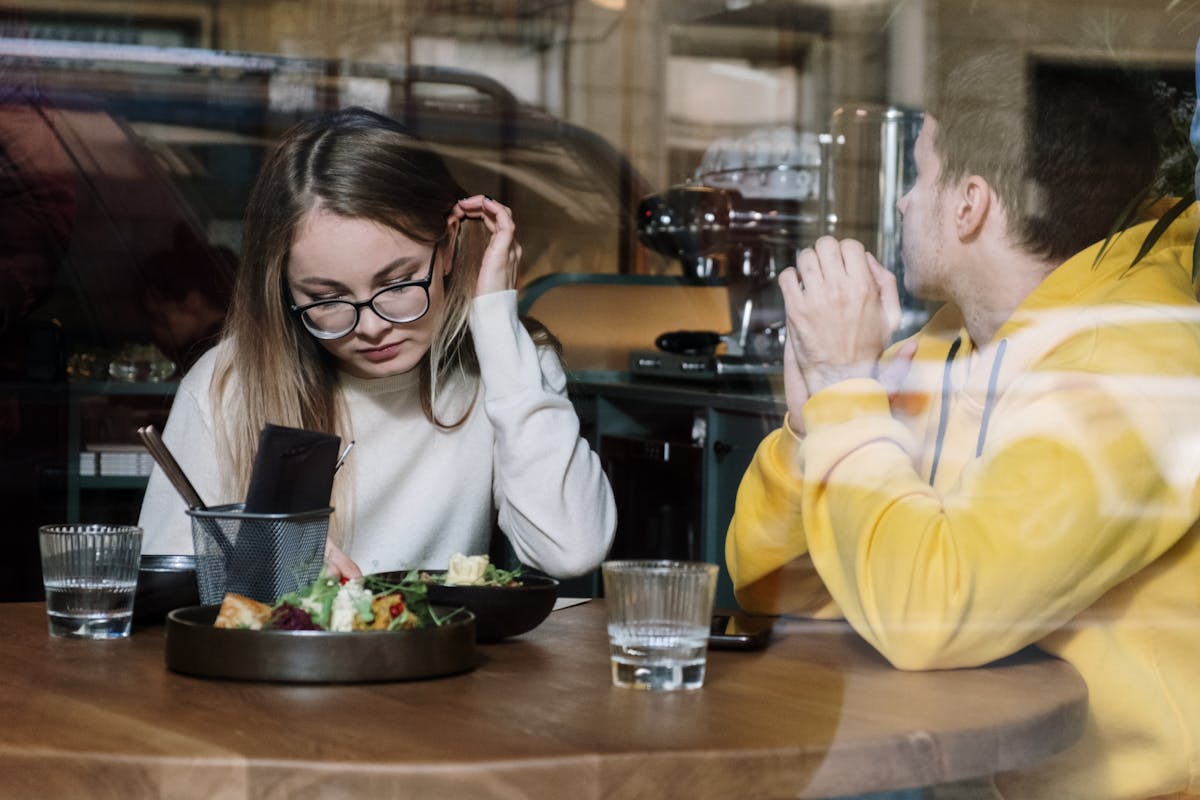
Eye contact is an early signal for honesty, presence, and confidence. Looking down, scanning the room, or avoiding eye contact may suggest we are hiding something. Even sincere words can seem less believable without good eye contact.
Good eye contact does not mean staring at someone without blinking. That can feel intense, controlling, or awkward. A better approach is to hold natural eye contact for a few seconds, look away briefly, then return our attention to the person speaking. This rhythm feels engaged without becoming uncomfortable. In professional settings, it can make us appear more steady, respectful, and trustworthy.
Checking the Phone Makes People Feel Dismissed

Few habits damage trust faster than glancing at a phone during a conversation. The moment we look at a notification, the person in front of us receives a clear message that something else matters more. It may last only two seconds, but the emotional impact can linger much longer.
This mistake is especially harmful in meetings, dates, interviews, family talks, and sensitive conversations. People want to feel heard, not ranked below a screen. If we are expecting an urgent call, we should mention it before the conversation begins. Otherwise, the phone should stay away, turned over, or placed in a pocket. Full attention has become rare, which makes it powerful when we actually give it.
Crossing the Arms Creates an Invisible Wall

Crossed arms often make us look guarded, resistant, or defensive. We may simply be cold, tired, or comfortable, but the other person may see a wall between them and us. In tense conversations, this posture can make disagreement feel stronger than it really is.
Crossed arms, a turned body, a tight jaw, or short replies heighten the problem, suggesting we are closed off or unwilling to listen. A more open posture helps. Relax arms, rest hands in front, or place them on the table. The goal is to remove the silent barrier.
Fidgeting Makes Nervous Energy Look Suspicious
Fidgeting with a pen, tapping fingers, shaking a leg, spinning a ring, adjusting clothes, or touching the face repeatedly can make us look anxious. People often connect restless movement with discomfort, uncertainty, or hidden pressure. Even if we are only nervous, the other person may wonder why.
In interviews, negotiations, presentations, and tough talks, restless gestures distract from our message and highlight anxiety. Give hands a clear place to rest: on the table, holding a notebook, or using calm gestures matching our words. Controlled movement conveys confidence. Random movement creates doubt.
A Forced Smile Feels Polite but Untrustworthy
A fake smile is easy to spot. A real smile reaches the eyes and softens the face. Forced smiles stay around the mouth, making us seem tense or uncomfortable. People feel the difference, even if they can’t explain it.
We do not need to smile constantly; oversmiling feels unnatural. Let your face reflect the moment honestly. Authentic warmth builds trust. Focus on genuine interest, not on a forced expression. A small real smile is better than a big fake one.
Turning the Body Away Signals Disinterest
Our feet, shoulders, and torso often reveal where our attention truly is. When our face points toward someone but our body angles toward the door, the exit, or another person, we silently communicate that we are only half-present. This can make the other person feel like we are waiting for the conversation to end.
Body orientation reveals commitment. Facing someone with shoulders and feet shows attention. In groups, include others with posture. Small shifts help people feel included and safe to speak.
Standing Too Close Makes People Feel Trapped
Personal space signals comfort and trust. Standing too close, especially with strangers, can cause discomfort. The other person may step back, lean away, cross arms, or speak less.
Respecting space shows emotional intelligence. In casual talks, an arm’s length feels best in many Western contexts. Professional settings may need more space. Notice cues: if someone steps back, do not step forward. Trust grows when people have room, physically and emotionally.
A Weak Handshake Can Damage the First Impression

A handshake shapes impressions before we speak. A limp handshake signals uncertainty or discomfort; an overly strong grip seems aggressive. Both extremes can make others question our social awareness.
A trustworthy handshake is brief, firm, and balanced. Match the other’s pressure, maintain eye contact, and release naturally. The goal is confidence, not dominance. In business, this moment supports what follows.
Pointing at People Feels Accusatory
Pointing a finger can make a neutral statement feel like an attack, adding pressure to the person rather than the idea. In disagreement, it quickly escalates tension, feeling blamed or controlled.
Open-hand gestures are usually safer and more persuasive. A relaxed palm can emphasize a point without making the other person feel targeted. This is why strong speakers often use open gestures instead of sharp pointing. The message feels less like an accusation and more like an invitation to understand.
Slouching Makes Credibility Look Smaller
Posture shapes confidence. Slouched shoulders, a collapsed chest, and a lowered head signal tiredness or defeat. Even when knowledgeable, poor posture weakens our message.
Standing or sitting upright projects calm authority. No need for rigid posture, just a straight spine, relaxed shoulders, and open chest. Good posture improves breathing and voice projection. When our body is steady, our message is stronger.
Looking Past Someone Makes Them Feel Invisible
Looking over someone’s shoulder is insulting. It suggests we seek someone else. This is common at networking events, offices, or gatherings with distractions.
Focused attention is one of the simplest ways to build trust. Even thirty seconds of full attention can make a person feel valued. We should face the speaker, listen without scanning the room, and respond to what they actually said. People remember how it felt to speak with us. If they felt invisible, they would not remember us as trustworthy.
Nodding Too Much Makes Agreement Look Fake
A natural nod shows understanding; constant nodding does the opposite, making us seem rushed or insincere. Automatic agreement lowers credibility.
Trust requires honest engagement, not endless approval. We should nod when something genuinely makes sense, then use short responses that show we are processing the message. Phrases like “I understand that” or “That makes sense” can work when they are sincere. Silence can also show respect. We do not need to fill every second with movement.
Standing With Hands on hips looks dominating
Hands on hips can make us look larger, tougher, and more confrontational. That may work in a leadership moment that requires command, but it often feels intimidating in regular conversation. The other person may read it as impatience, judgment, or superiority.
This posture harms during disagreements, employee talks, customer service, and family conflict. It creates a power imbalance before words. A calmer option is relaxing arms at the sides or on the table. Equal body language fosters safer conversations.
A Blank Face Makes People Guess What We Feel
A flat, expressionless face can seem safe, but it often creates uncertainty. When someone receives no visible response from us, they may wonder if we are bored, annoyed, judging them, or hiding our true opinion. Silence plus a blank face can feel colder than we intend.
We do not need dramatic expressions to seem trustworthy. Small reactions are enough. A slight smile, raised eyebrow, thoughtful nod, or softened expression tells the speaker that their words are landing. Responsive facial cues make conversations feel human. Without them, people may feel they are talking to a wall.
Key Takeaway
Trust is not built only by what we say. It is built by the signals people receive before, during, and after our words. Eye contact, posture, facial expression, phone habits, personal space, and hand gestures all shape whether people feel safe around us.
Most body language mistakes are fixable because they come from habit, not character. We do not need to become polished performers. We only need to become more aware of the signals we send when we are distracted, nervous, defensive, or uncomfortable.