8 California Wildfire Warnings That Should Worry Residents Right Now
California’s fire season has a way of turning ordinary days into weather checks, smoke checks, road checks, and family safety plans. One minute, the sky looks normal. Next, a distant fire is sending smoke across neighborhoods that are nowhere near the flames.
That is why California wildfire warnings matter far beyond the fire line. Active fires, evacuation warnings, road closures, and poor air quality can all hit at once, especially when dry vegetation, wind, and heat begin working together. Current CAL FIRE incident updates show active fires across several regions, including San Diego County and El Dorado County, with smoke safety guidance from AirNow and the CDC reminding residents to keep checking local air quality.
The Border 6 Fire Is Still the Biggest Concern
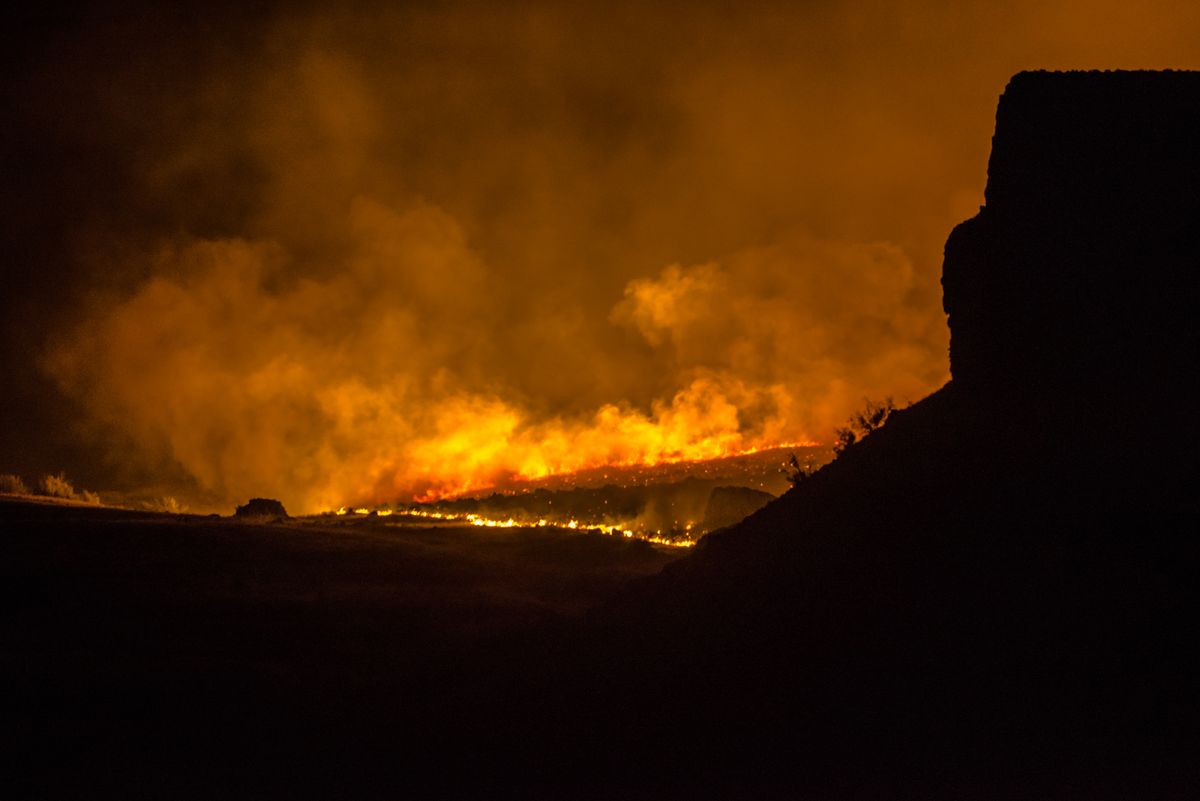
The Border 6 Fire in San Diego County is the active incident drawing the most attention due to its size and proximity to the U.S.-Mexico border. CAL FIRE lists the fire near the Tijuana River and Marron Valley, with thousands of acres burned and containment work still underway. That mix of rugged land, dry vegetation, and cross-border terrain makes the fire harder for residents to ignore, even when flames are not directly outside their homes. A fire like this can affect travel, visibility, emergency routes, and the air people breathe miles away from the burn zone.
For nearby communities, the real concern is how quickly conditions can shift. Fire crews may gain ground during one part of the day, then face stronger winds, hotter air, or stubborn hot spots later. Residents near southern San Diego County should avoid assuming that reduced evacuation pressure means the danger has vanished. Wildfire safety works best when people stay ready before the emergency alert sounds again.
Evacuation Warnings Can Change Fast
Evacuation orders and warnings are not casual suggestions. They are signals that officials are tracking a possible threat to life, homes, roads, or emergency access. In the Holland Fire area near Placerville, CAL FIRE reported that evacuation orders had been lifted, but evacuation warnings remained in place, which means residents still had to stay alert and ready to leave.
That detail matters because many people relax too soon when they hear the word “lifted”. A lifted order can mean the immediate danger has eased, not that the fire scene has become completely safe. Emergency vehicles may still crowd local roads, hot spots may remain, and smoke can still move into nearby neighborhoods. Families with older adults, young children, pets, or livestock should treat warnings as the moment to prepare, not the moment to debate.
Poor Air Quality Can Hit Before Flames Arrive
Wildfire smoke is often the warning people smell before they understand what is happening. AirNow urges people to use the Fire and Smoke Map to track nearby smoke and air quality, because smoke levels can change throughout the day.
The danger is not always dramatic at first. A scratchy throat, burning eyes, coughing, chest tightness, or sudden fatigue can show up before the sky looks frightening. Smoke can move across valleys, highways, school districts, and work sites, creating health risks far from the actual fire. That is why residents should check air quality before outdoor workouts, school sports, yardwork, long drives, or errands during active fire periods.
N95 Masks Matter When Going Outside Is Unavoidable

Cloth masks are not enough for wildfire smoke. The CDC says people who must go outside should reduce their exposure to smoke by wearing a NIOSH-approved respirator that fits tightly to the face. It also notes that staying inside is best when smoke is a concern.
This matters for delivery drivers, outdoor workers, caregivers, commuters, and people who cannot simply stay home until the smoke clears. A properly fitted N95 or stronger respirator can help reduce exposure to fine particles. It should seal well around the nose and mouth, because gaps weaken protection. During wildfire smoke events, a mask is not a fashion choice. It is a lung-saving backup plan.
The Holland Fire Shows Why Small Fires Still Matter
The Holland Fire in El Dorado County may look small compared with larger California wildfires, but its location near Placerville made it serious enough to trigger evacuation concerns. CAL FIRE listed it at 5 acres with 5% containment in its latest incident update, with evacuation warnings in place for affected zones.
Small fires can become big public safety problems when they burn near homes, narrow roads, dry hillsides, or communities with limited evacuation routes. Residents should never judge danger by acreage alone. A five-acre fire in the wrong place can create more immediate fear than a larger fire burning far from populated areas. In wildfire country, location can be just as important as size.
Smoke Is a Health Risk for More People Than Many Realize
Wildfire smoke is not just unpleasant air. The CDC warns residents to pay attention to local weather, air quality, and emergency instructions during wildfire events. It also advises people to stay indoors when told to do so and to protect indoor air from smoke exposure.
The highest-risk groups include children, older adults, pregnant people, and anyone with asthma, COPD, heart disease, diabetes, or other health conditions. Still, healthy adults can feel the effects too, especially during heavy smoking or outdoor exertion. A smoky jog, a long work shift outside, or hours spent driving through haze can leave the body fighting harder than usual. Clean air becomes part of emergency preparation, not a comfort item.
Indoor Air Can Become a Hidden Problem
Many people assume closing the door solves everything, but smoke can still creep indoors through gaps, vents, windows, and air systems. The CDC recommends choosing a room that can be closed off from outside air, using a portable air cleaner or filter, and setting central air systems to recirculate when possible. It also advises avoiding indoor sources of particles, such as candles, incense, smoking, and certain cooking activities, during smoky periods.
That advice is especially important for families who stay inside for long stretches during wildfire alerts. Indoor air can become stale or polluted if the home is not managed carefully. A clean room, a good filter, and fewer indoor irritants can make a real difference. When the outside air is smoky, the goal is not just staying indoors. The goal is to make the indoors safer to breathe.
Road Closures Can Trap Unprepared Residents

Wildfire danger is not limited to flames and smoke. Road closures, restricted access, emergency traffic, and changing evacuation routes can quickly turn a normal drive into a stressful problem. CAL FIRE’s Border 6 Fire update included road restrictions and closures, showing how active incidents can affect movement even after some evacuation pressure eases.
Residents near active fire zones should keep fuel in the car, pack essential documents, charge phones, and know more than one route out of the area. Waiting until the smoke thickens or patrol vehicles arrive can leave families scrambling. Fire crews need clear roads, and residents need time to move safely. In wildfire season, the best exit plan is the one made before panic enters the room.
Final Thoughts
California wildfire warnings should not be treated like background noise. They are early signals that fire behavior, smoke movement, evacuation risk, and public health conditions may be shifting simultaneously.
The biggest mistake residents can make is waiting until a fire feels close enough to become personal. Smoke can arrive before flames. Warnings can change before dinner. Roads can close before people finish packing.
The safer move is simple: check CAL FIRE updates, watch local emergency alerts, use AirNow for smoke and air quality, and prepare before the sky turns orange. Wildfire season rewards the people who act early, not the people who wait for proof at their front door.