10 Modern Product Changes That Made Life More Annoying
Once, everyday products were simple. A toaster toasted, a phone rang, a bottle opened without a struggle. Now, many items feel designed to test patience, add steps, or hide value behind upgrades. Consumers notice, and frustration is rising.
From apps that control gadgets to packaging that fights back, modern product updates often promise convenience but deliver annoyance instead. What should make life easier often wastes time, energy, and sometimes money. These ten changes show that “new and improved” can mean “new and irritating.”
Phones With No Headphone Jack
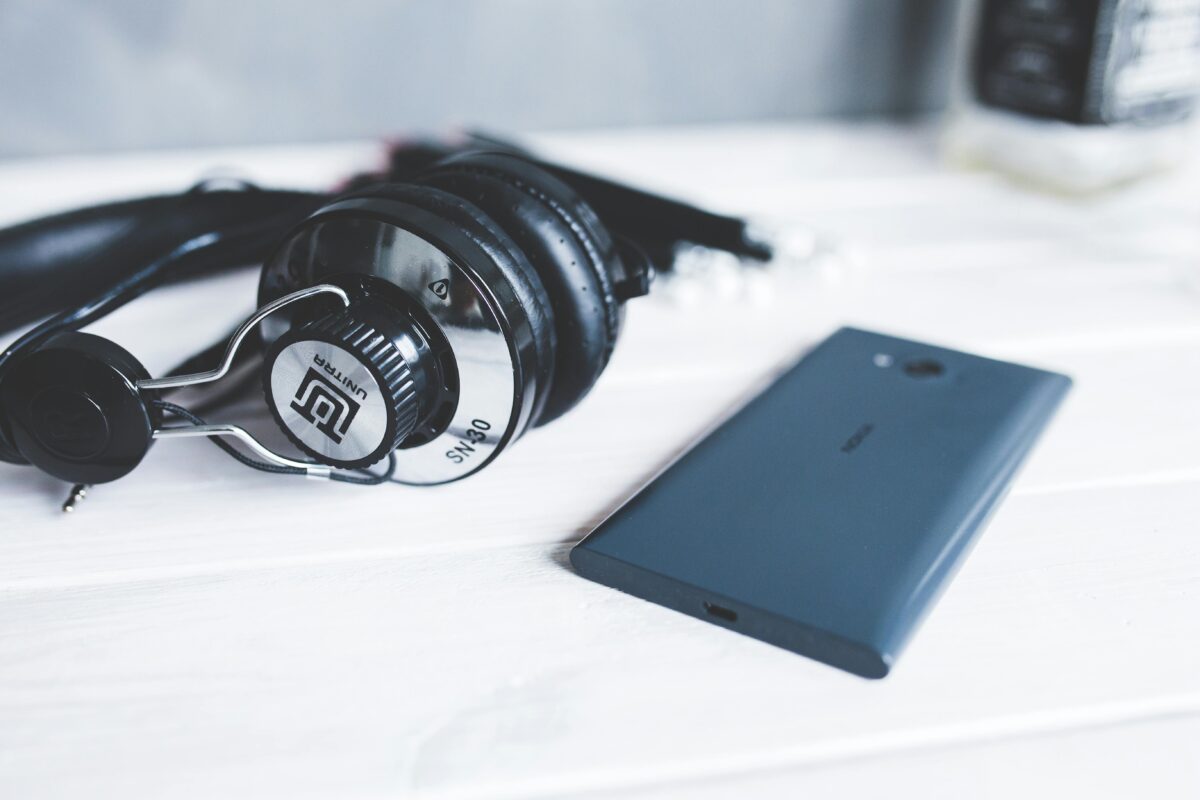
Modern phones ditched the headphone jack in the name of slim design and wireless convenience. The problem is obvious: every pair of wired earbuds suddenly required adapters, new purchases, or awkward solutions. Many users still rely on wired headphones for better sound, to charge while listening, or for budget reasons.
The trend frustrates people because it forces extra spending and planning. A simple call, music session, or podcast now comes with a hidden hassle. Convenience vanished while style and marketing buzz moved to the front.
Chargers Sold Separately
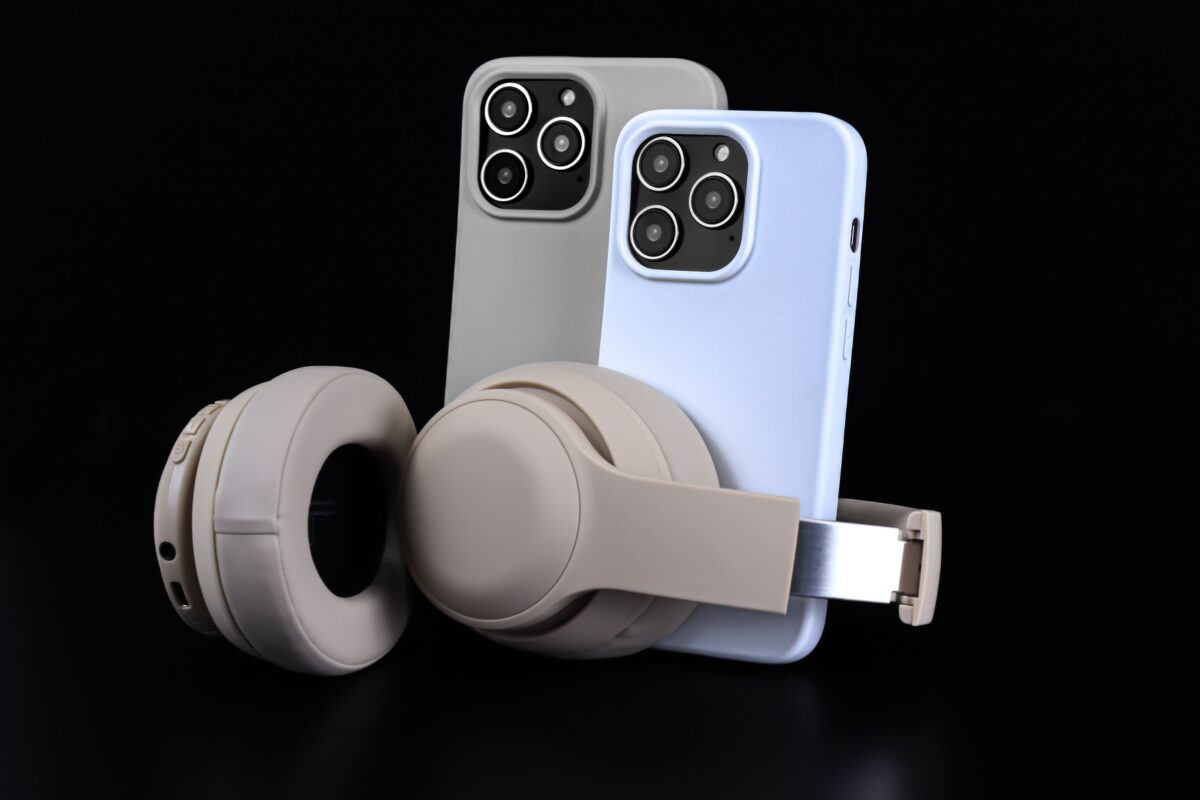
For years, devices came with a charging brick in the box. Today, many phones, tablets, and smart gadgets include only a cable. Consumers must buy the brick separately, often at a premium.
This change feels like paying twice for the same product. What used to be simple is now a search for compatible accessories, adding cost and stress before the device can even be used fully.
Smart Devices That Require Constant Apps
Appliances, lights, coffee machines, and even toothbrushes now demand apps to unlock basic functions. A toaster with a button used to be straightforward. Now, you might need a phone, a login, an update, and a Bluetooth connection just to brew a cup of coffee.
Consumers dislike the extra digital labor. Features intended to add convenience often backfire, leaving users dependent on technology rather than in control of it.
Ultra-Thin Paper Products

Toilet paper, paper towels, and napkins look the same but tear faster, absorb less, or feel flimsier. One family roll now lasts half as long as it used to, quietly raising costs and daily frustration.
Shoppers notice immediately. The products are practical necessities, so every downgrade feels personal, not just financial. A roll that disappears too fast is more than an inconvenience; it’s a daily annoyance.
Packaging That Fights You
Clamshells, tear-resistant plastics, and multi-layered bottles may protect products, but opening them often feels impossible. Consumers report struggling to reach everyday items with scissors, knives, or brute force.
The frustration grows when packaging claims to be “eco-friendly” but is confusing for recycling. What should be simple becomes a minor daily battle.
Coffee And Beverage Customization Gone Overboard
Coffee drinks and bottled beverages now come with layers of foam, syrups, powders, and toppings. A simple latte can arrive as a dessert disguised as a drink. Consumers often spend extra money for a product that feels more complicated than necessary.
The trend has made grabbing a morning beverage stressful. The more “customized” a drink looks, the less practical—and the more exhausting—it becomes to order, carry, or enjoy.
Appliances With Locked Parts

From fridges to washing machines, more devices are sealed or glued or require repairs from authorized service centers. One broken sensor or tiny component can render the whole machine useless.
Consumers feel trapped. A product that used to last for decades now requires expensive repairs or replacements for minor issues, creating constant annoyance and higher costs.
Digital Coupons And Loyalty Traps

Sales now often rely on apps, QR codes, or account-based discounts. A lower price may require multiple steps, downloads, or logins, turning simple savings into a digital puzzle.
Many shoppers dislike this shift because it wastes time and forces engagement just to access what used to be transparent pricing. Convenience is replaced by complication.
Appliances That Stop Being Supported
Some smart gadgets become frustrating because manufacturers stop issuing updates, making features useless or incompatible. As a result, printers, phones, and home devices often feel obsolete faster than before.
Consumers are annoyed because they bought a product meant to last for years, only to discover that software or digital limitations unexpectedly reduce its functionality.
Clothing That Wears Out Faster
Shirts, jeans, and sweaters now seem thinner and less durable. Seams split, fabrics pill, and quality feels sacrificed for speed or trendiness. Consumers notice that what once lasted for seasons now barely survives a wash.
This change turns daily clothing into an expense rather than an investment, leaving people irritated and disappointed with brands they once trusted.
Conclusion
Modern product changes can feel clever on the surface, but often make daily life more complicated. From thinner materials to app-only features, smaller accessories, and unnecessary digital layers, the trend is clear: “new and improved” sometimes translates to “more annoying.”
Shoppers are tired of hidden frustrations, extra costs, and unnecessary effort. True product innovation should make life easier, not add obstacles. Companies that ignore that lesson risk turning loyal customers into frustrated critics.