
10 Bizarre Stock Market Superstitions That Make Investors Second-Guess Their Money
The stock market likes to act serious. It wears a suit, talks in charts, hides behind earnings reports, and uses enough technical language to make regular people feel like they need a finance degree just to understand the evening news.
But behind all that polished confidence, investors are still human. They get nervous. They search for signs. They notice patterns that may not mean anything. And sometimes, even smart traders let strange beliefs guide real money decisions.
That is where stock market superstitions get interesting. These beliefs may sound odd, funny, or even ridiculous, but they reveal something powerful about investor psychology. When money is on the line, people do not just follow numbers. They follow fear, hope, habit, memory, and old Wall Street folklore.
The Full Moon Makes Some Traders Expect Trouble

The moon may seem far away from Wall Street, but some investors still believe the full moon can stir up strange market behavior. The idea is that full moons affect human mood, sleep, emotions, and decision-making. Since the stock market is driven by human reactions, believers think the moon can quietly add more fear, pressure, or risk-taking into trading.
This superstition survives because markets already feel emotional. A normal bad trading day can suddenly look suspicious when it happens under a bright full moon. Traders who believe in the lunar effect may become more cautious, sell too early, or avoid making bold moves. The moon may not control stocks, but belief in the moon can still control behavior.
The Sell In May Saying Refuses To Go Away
One of the oldest stock market sayings tells investors to sell in May and come back later in the year. It sounds simple, catchy, and almost too easy. That is exactly why people still repeat it. The belief suggests that summer months can be weaker for stocks, so investors should step back before the market loses energy.
The problem is that the market does not always follow a neat calendar. Some years reward investors who stay in, and other years punish those who leave too soon. Still, the saying remains popular because it gives people a clean rule in a messy world. When investors feel confused, a simple seasonal phrase can feel safer than making a fresh decision.
Lucky Numbers Can Influence Real Market Choices
Numbers are not always just numbers in the stock market. In some cultures, certain digits carry meanings linked to luck, wealth, loss, or danger. The number eight, for example, is often connected with prosperity in Chinese culture. That belief can make certain stock codes, listing numbers, or price points feel more attractive to some investors.
This shows how culture can quietly shape financial behavior. A company with a lucky-looking ticker or listing code may feel more appealing, even if its business has not changed. Investors may tell themselves they are being logical, but emotion often slips into the decision. In a market built on confidence, even a lucky number can become part of the story.
Friday The Thirteenth Still Makes Investors Uneasy
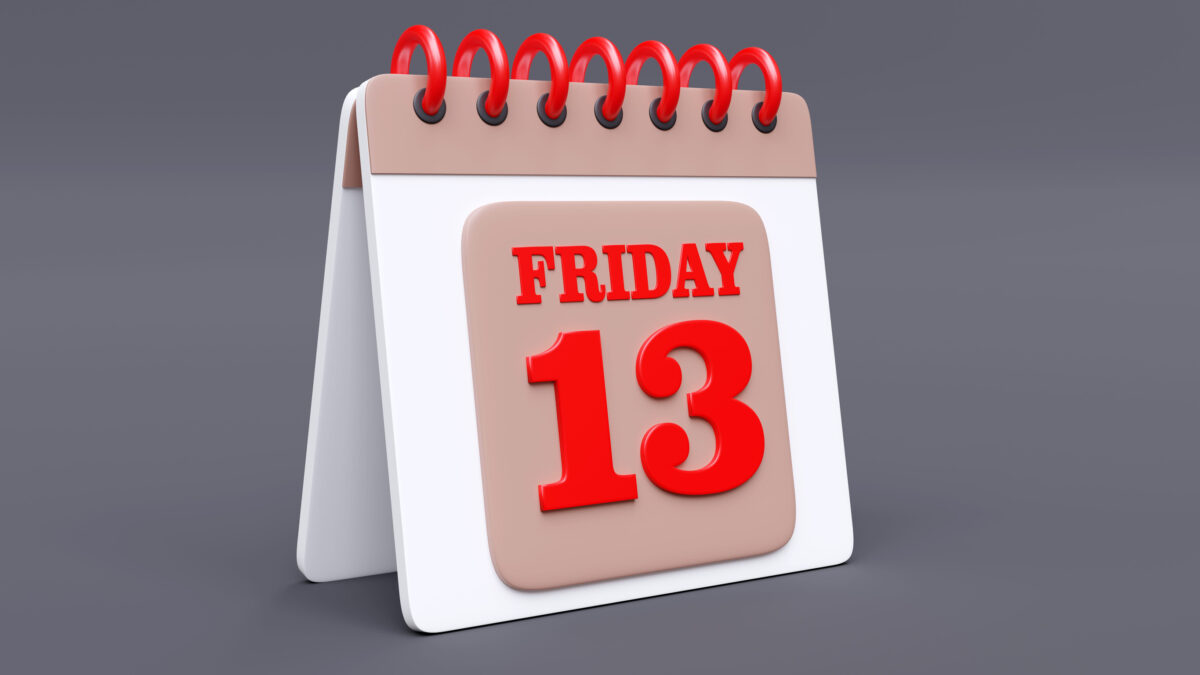
Friday the thirteenth has scared people for generations, so it is no surprise that some investors bring that fear into the market. Even traders who laugh at superstition may feel a tiny nervous pull when an unlucky date appears on the calendar. In a market already filled with risk, one strange date can feel like another warning sign.
The danger comes from expectation. If enough people expect the day to be unlucky, they may trade more carefully, delay decisions, or avoid taking risks. That cautious behavior can make the market feel slower, weaker, or more tense than usual. The date itself may not matter, but the mood around it can change how people act.
The Death Cross Sounds Scarier Than It Really Is
The death cross is a real chart signal, but its name makes it sound like a market horror movie. It happens when a shorter moving average drops below a longer moving average. Many traders see it as a warning that stocks may continue falling. The signal can matter, but the fear often comes from the dramatic name.
Words carry power in financial markets. A technical phrase may sound boring, but “death cross” instantly grabs attention. Headlines use it because it feels urgent and alarming. Nervous investors may panic when they hear it, even if the market has already fallen before the signal appears. Sometimes, the scariest part of the death cross is not the chart. It is the reaction it creates.
Triple Witching Makes Traders Expect Market Chaos
Triple witching sounds like something from a haunted story, but it is a real trading event. It happens when different types of stock market contracts expire on the same day. These expirations can create heavy trading volume, sudden price moves, and a lot of nervous watching near the end of the session.
The superstition grows because the name feels mysterious. Traders already know the day can be busy, but calling it “witching” makes it sound more dangerous. Some investors prepare for wild swings before they even happen. That expectation can make people more defensive, more suspicious, and more likely to see normal moves as part of the supposed chaos.
The January Barometer Makes One Month Feel Too Powerful

The January Barometer is the belief that January can predict how the whole stock market year will go. If stocks rise in January, investors expect a strong year. If January performs badly, people start worrying that the rest of the year may be painful. It is a neat idea, but the market rarely behaves that neatly.
This superstition works because January feels like a fresh start. New forecasts come out, investors reset goals, and people want early clues about what the year may bring. A strong January can create confidence, while a weak one can spread doubt quickly. The problem is that one month cannot explain everything that may happen in the next eleven months.
The Super Bowl Indicator Turns Football Into Market Folklore
The Super Bowl Indicator may be one of the strangest stock market beliefs. It claims that the stock market’s yearly performance can be linked to which team wins the Super Bowl. On paper, that sounds ridiculous. Football games do not control earnings, interest rates, inflation, or business growth.
Still, people love this superstition because it is fun and easy to remember. It blends sports, money, prediction, and coincidence into a single entertaining market story. The real lesson is that humans love patterns, even when those patterns do not make sense. If two things line up a few times, people start wondering if there is a hidden connection.
Lucky Clothes And Desk Charms Give Traders A Sense Of Control
Some traders wear the same tie after a winning day. Others keep a lucky object on their desk, follow the same morning routine, or avoid making any changes when their trades are going well. These habits may look silly from the outside, but they often give traders comfort in a stressful environment.
The stock market can make people feel powerless. A trader can study all night and still lose money because of one unexpected headline. A lucky item cannot change a company’s earnings, but it can calm the person making the trade. That emotional comfort can matter because panic, hesitation, and overconfidence all affect decisions.
Chart Patterns Can Become Modern Market Omens

Chart patterns are common tools in trading, but some investors treat them almost like magic signs. A head-and-shoulders pattern, a golden cross, a wedge, or a breakout can lead traders to believe the market is sending a clear message. Sometimes these patterns help people understand price movement. Other times, they become financial fortune-telling.
The risk starts when the chart becomes more important than the business behind the stock. A trader may ignore debt, profits, competition, and customer demand because a shape on the screen looks promising. When many people see the same pattern and act on it, their buying or selling can push the market in that direction. That makes the superstition feel true, even when the original signal was weak.
Why These Stock Market Superstitions Still Matter
Stock market superstitions may sound strange, but they show how deeply emotion shapes investing. People want control when money feels uncertain. They want patterns when prices look random. They want a reason when the market moves in a way that hurts them.
That is why these beliefs keep coming back. The market may run on data, but it is watched by human beings who feel pressure, fear, excitement, and regret. Even professional investors can fall into habits that feel more emotional than logical. Superstition survives because it gives people something to hold onto when the numbers stop feeling clear.
The strangest stock market superstitions are not just funny Wall Street myths. They are reminders that investing is never purely about charts, earnings, or economic reports. It is also about the human mind trying to survive uncertainty.
A full moon, an unlucky date, a football game, a scary chart pattern, or a lucky desk charm may not truly control the market. But the belief behind those things can still shape real decisions. And when enough investors act on fear, hope, or habit, even the oddest superstition can leave a mark on the trading day.


