10 Shocking Ways Robotaxis Are Changing Crime in American Cities
Driverless cars were designed to make city streets safer and reduce human error, but a recent San Francisco burglary shows that autonomous technology may be creating unexpected vulnerabilities. A suspect allegedly used a Waymo robotaxi to steal merchandise from a local yoga studio, entering and exiting the scene without a driver or human witness. This incident highlights the complex intersection of technology, public safety, retail security, and privacy regulations, revealing new challenges for law enforcement and urban planners.
As autonomous fleets grow across the United States, we are entering a world in which a vehicle can serve as both a convenient means of transportation and an inadvertent facilitator of crime. These developments force businesses, police departments, and city officials to reconsider how public safety strategies operate in a driverless era. Here are ten alarming ways robotaxis are changing crime patterns in American cities, exposing risks that traditional policing methods may not fully address.
Robotaxis Can Become Silent Getaway Vehicles
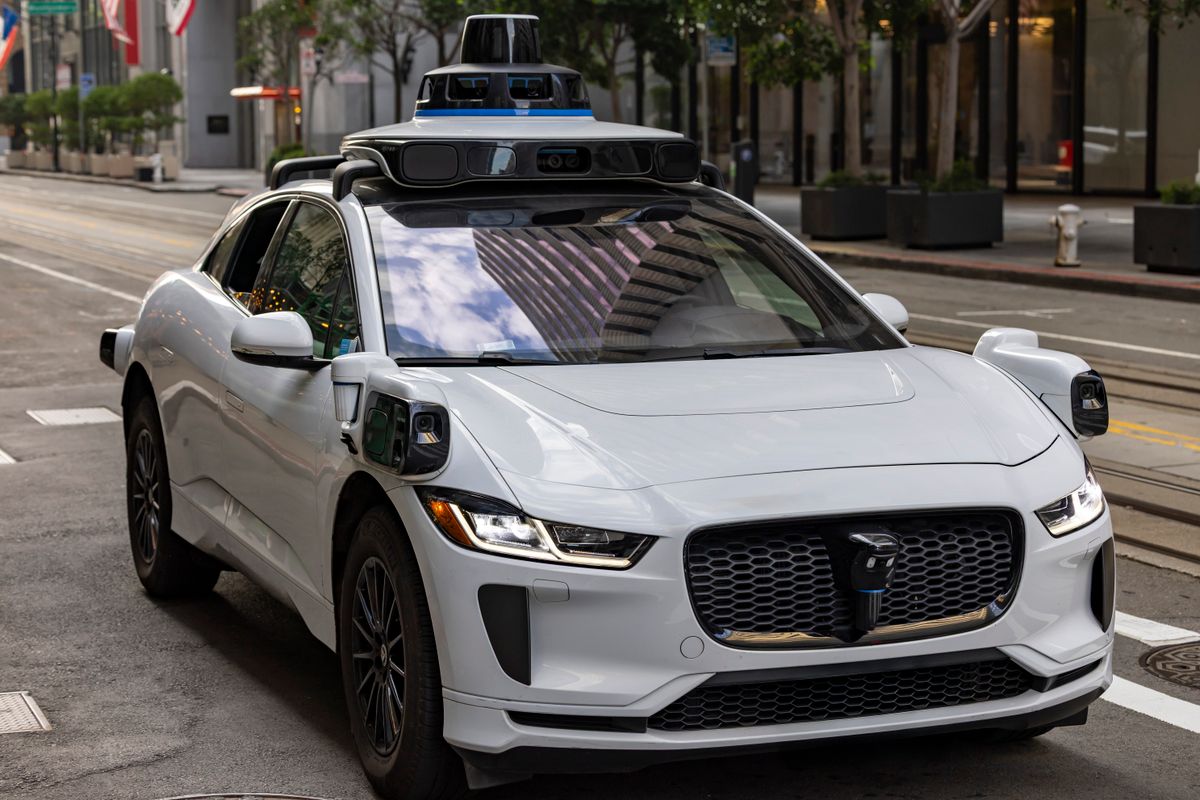
Without a human driver, suspects can commit thefts and flee quickly and quietly, without drawing attention. Traditional getaways involve drivers, passengers, and witnesses who may notice suspicious behavior. Autonomous vehicles eliminate these human factors, making it easier for criminals to disappear without immediate detection.
The silent operation of robotaxis complicates investigations because by the time a business notices a theft, the vehicle may already be blocks away. Even with built-in cameras and sensors, the lack of a human observer means unusual behavior or theft preparation may not be flagged in real time, allowing suspects to exploit gaps in traditional security measures.
Account Misuse Masks Criminals
Robotaxi services require digital accounts linked to payment methods, emails, and phone numbers. Criminals can exploit stolen, borrowed, or fake accounts to obscure their identity, making it challenging for law enforcement to link a suspect to a vehicle or a ride.
Even with precise timestamps and trip logs, an account that does not belong to the person committing the crime creates ambiguity. Law enforcement may need additional investigation to confirm the rider’s identity, delaying potential arrests and complicating prosecutions. This gap highlights the importance of account verification and fraud detection in autonomous fleet security.
Theft Patterns Are Adapting to Technology
Retail theft is evolving as criminals adapt to autonomous transportation. Robotaxis allow offenders to enter stores, grab merchandise, and exit without interacting with a human driver or security personnel.
This new method requires businesses to rethink security strategies beyond physical guards and conventional surveillance. Companies must account for curbside activity, monitor nearby autonomous vehicles, and anticipate that offenders may use technology not to hide but simply to gain speed and convenience during thefts.
Evidence Retention Rules Can Hinder Police
Autonomous vehicle data is subject to company privacy policies, local regulations, and retention timelines. Ride logs, camera footage, and sensor data may be stored only briefly, requiring police to request evidence within narrow time windows.
In the Waymo burglary, any delay in submitting a request could have resulted in critical footage being erased or overwritten. This limitation forces law enforcement to act faster than ever while balancing legal protocols and privacy concerns, illustrating a new layer of complexity in criminal investigations involving autonomous vehicles.
Lack of Human Witnesses Reduces Clues
In conventional ride-share thefts, the human driver can provide eyewitness accounts, remember suspicious behavior, or observe stolen items being carried. Robotaxis, lacking a driver, remove this source of investigative information.
Without human observation, authorities must rely entirely on sensors, cameras, and digital logs. While this data is often precise in recording routes and timing, it cannot capture subtle behavioral cues or contextual details that might help investigators identify a suspect or understand the circumstances surrounding a theft.
Cameras Don’t Guarantee Identification

While Waymo and other autonomous vehicles are equipped with multiple cameras and advanced sensors, these systems often blur faces or obscure details to protect rider privacy. Critical identifiers such as facial features, clothing, or even the vehicle’s license plate may not provide usable evidence in criminal investigations.
In the San Francisco case, investigators had access to ride data and video footage, yet the suspect’s identity remained unknown. This demonstrates that having cameras does not automatically equate to actionable evidence. Privacy safeguards, limited storage, and restricted access can all reduce the effectiveness of technology meant to monitor and deter crime.
Businesses Must Adjust Security Practices
Curbside pickup zones for autonomous vehicles create new security challenges. Stores, gyms, studios, and other businesses may need to rethink camera placement, timestamp accuracy, and incident reporting to ensure that robotaxi-related thefts are captured effectively.
Rapid coordination with law enforcement is also essential. Providing precise data about pickup times, vehicle type, and route direction can help police narrow their requests to the mobility company, increasing the likelihood of identifying suspects before critical evidence is lost. These adjustments represent a shift in how businesses approach perimeter and curbside security in urban environments.
Cities Are Scrambling for Rules
Urban policymakers face urgent questions about autonomous vehicles and crime. Should companies be required to preserve data for police investigations? How long should footage be stored? What level of privacy protection is acceptable for passengers while still ensuring accountability?
Without clear legislation and standards, incidents like the Waymo burglary expose gaps in accountability and response protocols. Cities must develop frameworks that balance innovation with public safety, ensuring that autonomous vehicles do not create blind spots in crime prevention or emergency response systems.
Autonomous Cars Force a New Crime-Evidence Paradigm
Robotaxis challenge conventional assumptions about evidence gathering. Companies, police, and policymakers must collaborate to create systems that effectively preserve evidence, respect privacy, and maintain public trust.
The Waymo case is a warning that autonomous mobility brings efficiency, but also new vulnerabilities. Preparing for these scenarios is essential before driverless vehicles become ubiquitous on American streets. Cities that proactively establish protocols for evidence retention, account verification, and rapid response will be better equipped to prevent and investigate crimes involving autonomous transportation.
Criminals Are Testing Convenience, Not Tech Skills

The suspect in the San Francisco incident chose a robotaxi for convenience rather than to exploit advanced technology. Autonomous vehicles provide a fast, reliable, and legal-looking escape route.
As driverless fleets expand, more offenders may opportunistically use these vehicles. Preventing misuse will require mobility companies to strengthen ride-verification processes, detect unusual patterns, and maintain rapid-response mechanisms, all while preserving the convenience and accessibility that make robotaxis appealing to the general public.
Autonomous vehicles offer safer, more efficient transportation, yet they pose new challenges for law enforcement, businesses, and urban policymakers. Preparing for theft and other crimes in the driverless era requires updated security practices, faster evidence preservation, and collaboration between companies and public authorities.