Stop Wasting Money: What Grocery Stores Don’t Want You to Know About Ribeye Steaks
Ribeye steaks are often marketed as the ultimate indulgence, but the reality is far less savory than most shoppers realize. What appears to be a tender, juicy cut of meat can often be overpriced, poorly marbled, or outright disappointing. For the casual buyer, it’s easy to fall victim to clever packaging, inflated price tags, and misleading claims about quality. Understanding the pitfalls of shopping for ribeye is critical to avoiding a culinary and financial disaster.
Rising Prices Are Hitting Consumers Hard
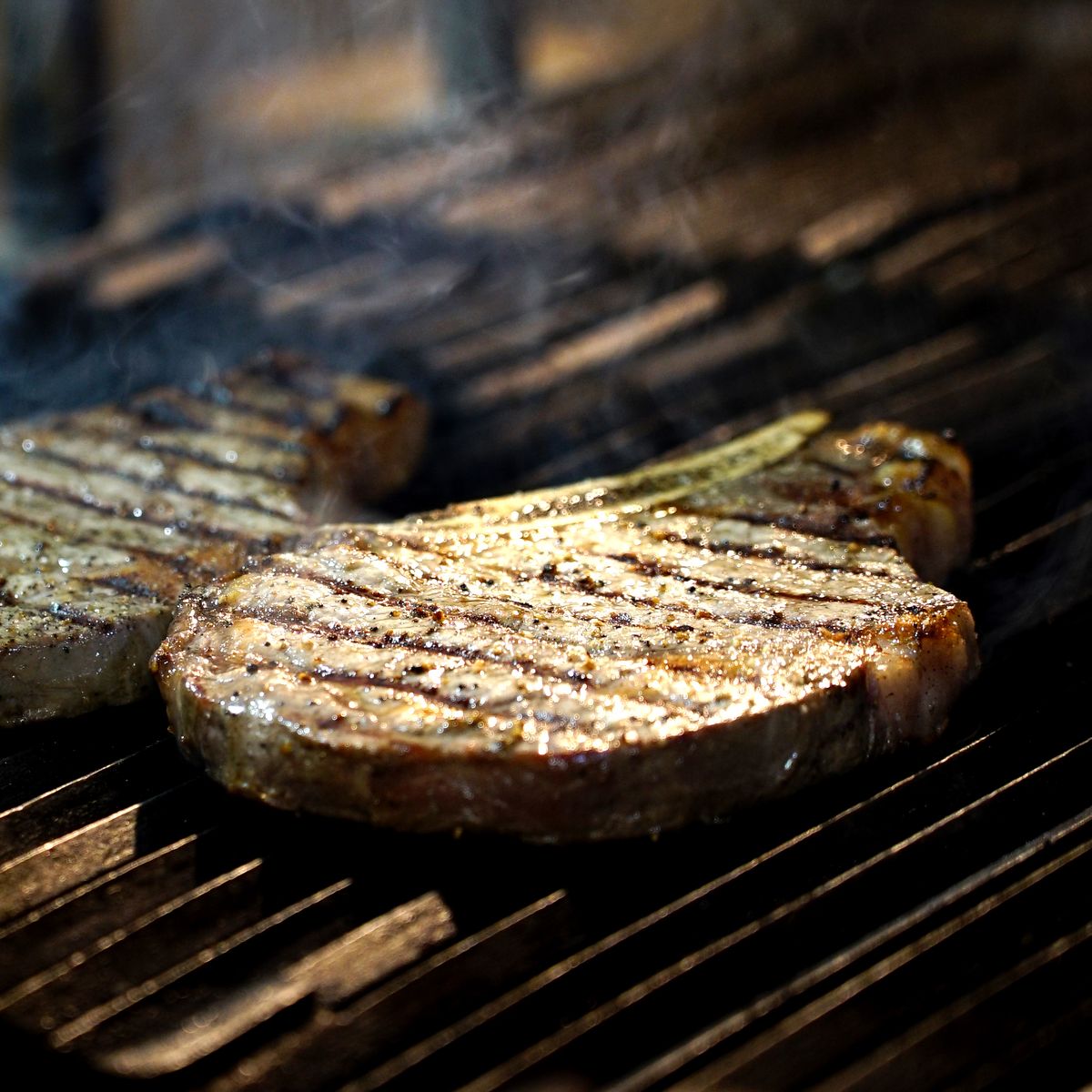
Beef prices have surged dramatically over the past decade, leaving many shoppers shocked by what was once considered a reasonable luxury. Ribeye, in particular, has seen price inflation far beyond other meats like chicken or pork. Supermarkets frequently charge top-dollar for cuts that may not even deliver the expected flavor or tenderness. Consumers who fail to scrutinize the meat often pay a premium for mediocrity.
The Illusion of Quality in Supermarket Packages
Ribeye steaks on display are rarely uniform. Even within the same package, one steak may boast well-distributed marbling, while the other is thin, dry, or fibrous. Retailers know that most shoppers do not check each steak carefully, allowing subpar meat to pass as premium. Value packs may appear bulkier, but careful inspection often reveals less marbling and thinner cuts, making these “deals” deceptive.
Bone-In vs. Boneless: The Hidden Catch

Bone-in ribeyes are heavily marketed for their visual appeal, often using names like “cowboy” or “tomahawk.” Yet the reality is that much of the weight comes from the oversized bone rather than edible meat. Boneless ribeyes may look less impressive, but they often contain more meat per dollar. Retailers exploit consumer perceptions, leaving many unaware that they are paying extra for aesthetics rather than substance.
Marbling Myths and Misleading Labels
Marbling is a critical factor in ribeye flavor, yet many stores do not provide clear grading. Choice-grade meat labeled as premium can be underwhelming, with sparse marbling or uneven fat distribution. Grass-fed ribeyes are often touted as healthier, but some packages show significant differences among steaks within the same pack, leaving consumers uncertain whether they are truly getting what they paid for.
Hidden Seasonal and Regional Discrepancies
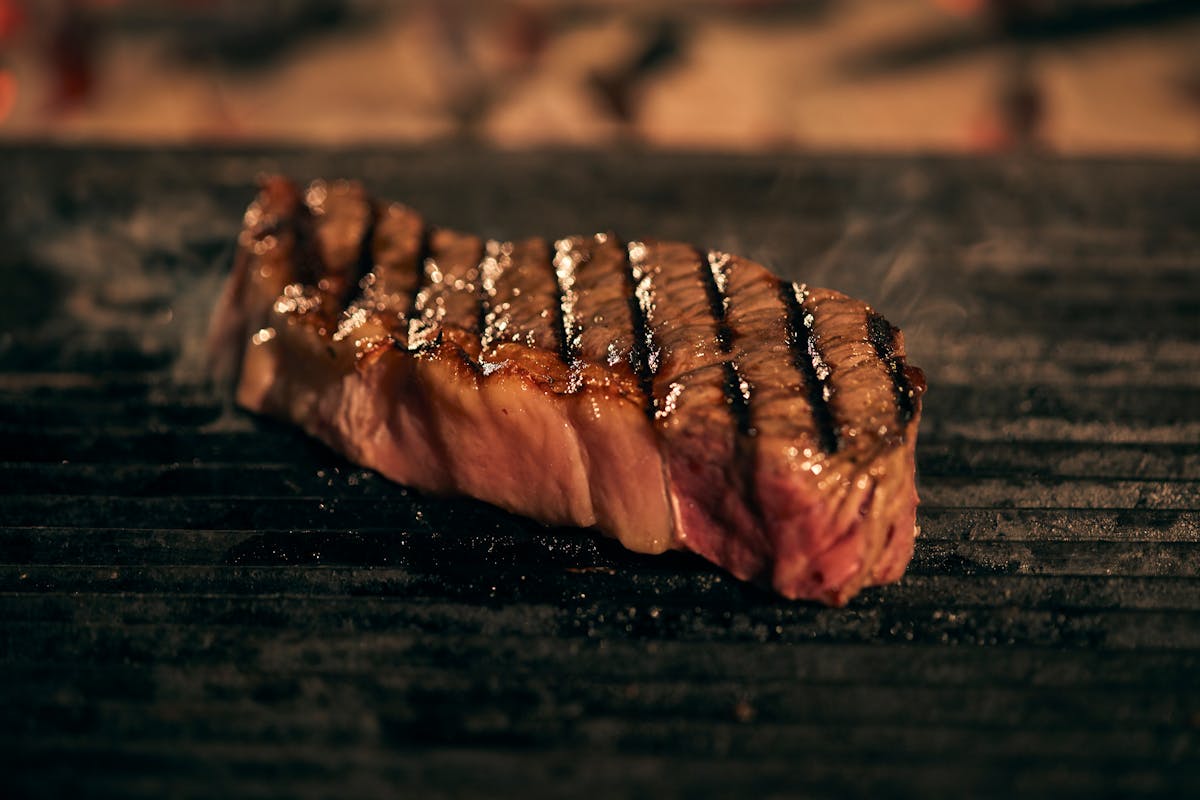
Not all ribeyes are created equal. Meat from different regions or shipped at different times of the year can vary dramatically in flavor and texture. Off-season beef often arrives less tender, drier, and less flavorful due to longer storage and transportation. Stores rarely disclose these details, allowing subpar cuts to masquerade as premium steak, while consumers unknowingly pay for inferior quality.
Retailer Pricing Traps
Supermarkets strategically price ribeye steaks to maximize profit rather than consumer satisfaction. Stores may promote certain cuts as “sale” items, yet a closer look reveals the unit price remains higher than competitor options, or the quality is significantly lower. Without careful comparison, shoppers may end up with overpriced, underwhelming steaks, believing they’ve scored a bargain.
The Grass-Fed Conundrum

Grass-fed ribeyes are frequently marketed as superior, but the truth is often disappointing. Variability between cuts can be extreme: one steak may have poor marbling and minimal fat, while another in the same package delivers the expected richness. Consumers who assume uniform quality risk paying premium prices for uneven results and inconsistent flavor.