10 States Where Guests Say the Welcome Can Feel Shockingly Cold
Some trips go wrong before the suitcase is even unpacked.
A guest arrives expecting warmth, easy conversation, and a little local charm. Instead, they get a clipped answer, a rushed welcome, a host who acts bothered, or the strange feeling that they are tolerated rather than invited.
That does not mean every host in these states is rude. America is too big, too mixed, and too unpredictable for that. But some places have built a reputation for bluntness, impatience, icy manners, or hospitality that feels less cozy than visitors expected.
And that is where the debate begins, because what one local calls “normal,” a guest may call plain rude.
New York Can Make Guests Feel Like They Are in the Way
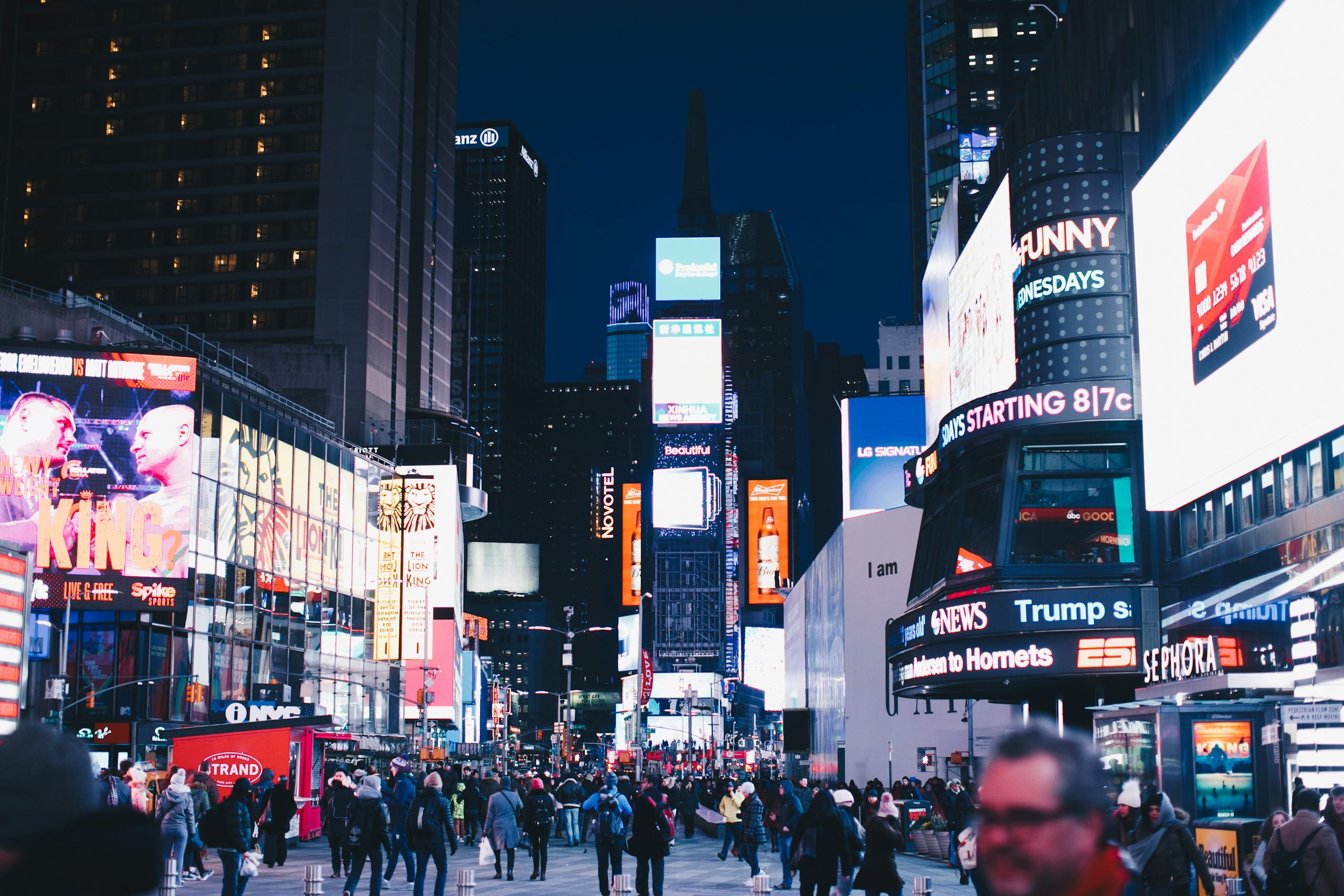
New York has a famous rhythm, and that rhythm is not built for slow questions at the door.
Visitors often expect big personality, fast service, and direct conversation. What they may not expect is how quickly that directness can feel like irritation. A host may not mean to sound rude, but a short answer in New York can feel like a door closing in your face.
The problem is pace. In many parts of the state, especially around the city, people are used to moving fast, speaking fast, and getting to the point. That can feel efficient to locals, but guests who expect soft hospitality may read it as cold.
Pennsylvania Can Be Warm One Minute and Brutally Blunt the Next
Pennsylvania is tricky because it can feel completely different depending on where you are.
Some areas feel neighborly, patient, and traditional. Others can feel fast, guarded, and sharp. That mix can confuse guests who expect a single, clear personality across the whole state.
Philadelphia especially carries a reputation for blunt public behavior. A host may not see anything wrong with being direct, sarcastic, or visibly annoyed. But a guest who expects polite small talk may walk away feeling embarrassed or brushed off.
That contrast is what makes Pennsylvania such a debate starter. The warmth is real, but the edge is real too.
Massachusetts Can Feel Too Sharp for Guests Who Expect Warmth
Massachusetts has history, pride, education, sports loyalty, and a famously sharp social edge.
A guest may arrive expecting old New England charm and leave wondering why every answer sounded like a correction. Some hosts can come across as impatient when explaining directions, customs, parking, food, or anything they believe should be obvious.
That does not mean people there lack kindness. It often means the kindness may not arrive in soft packaging. A Massachusetts host may help you fix a problem while sounding annoyed that you had the problem in the first place.
New Jersey Has a Bluntness That Can Shock Outsiders

New Jersey does not always wrap its opinions in velvet.
A host there may be helpful, loyal, and generous, but they may also say exactly what they think without much sugar. For some guests, that honesty feels refreshing. For others, it feels like they walked into a house where every sentence has elbows.
The state’s reputation for its attitude does not come out of nowhere. New Jersey directness can be funny, sharp, and fast. But when a guest is tired, nervous, or unfamiliar with the culture, that same directness can feel like being judged before they even sit down.
Rhode Island Can Feel Small, Tight, and Surprisingly Frosty
Rhode Island is small enough that people may assume it feels neighborly everywhere.
That assumption can disappoint some visitors.
In smaller states, social circles can feel tight. A guest who does not already know the rhythm may feel like an outsider fast. The welcome may not be openly hostile, but it can feel guarded, especially when people seem to know everyone except you.
That kind of hospitality can sting because it is subtle. Nobody has to yell or insult anyone. A cool tone, a short answer, or a host who does the minimum can be enough to make a visitor feel unwelcome.
California Can Make Guests Feel Like They Are Being Politely Dismissed
California rudeness does not always sound loud.
Sometimes it sounds polished.
A guest may be greeted with a smile, a compliment, and a casual tone, but still feel like nobody is truly paying attention. In some areas, especially larger cities or status-heavy social circles, the welcome can feel performative rather than personal.
That is what irritates people most. It is not always open hostility. It is the feeling of being managed, scanned, or politely moved along.
California hosts can be generous and relaxed, but visitors who expect deep warmth may mistake the breezy social style for distance. A smile does not always feel welcoming when it comes with a closed door behind it.
Texas Can Be Friendly Until You Break an Unspoken Rule
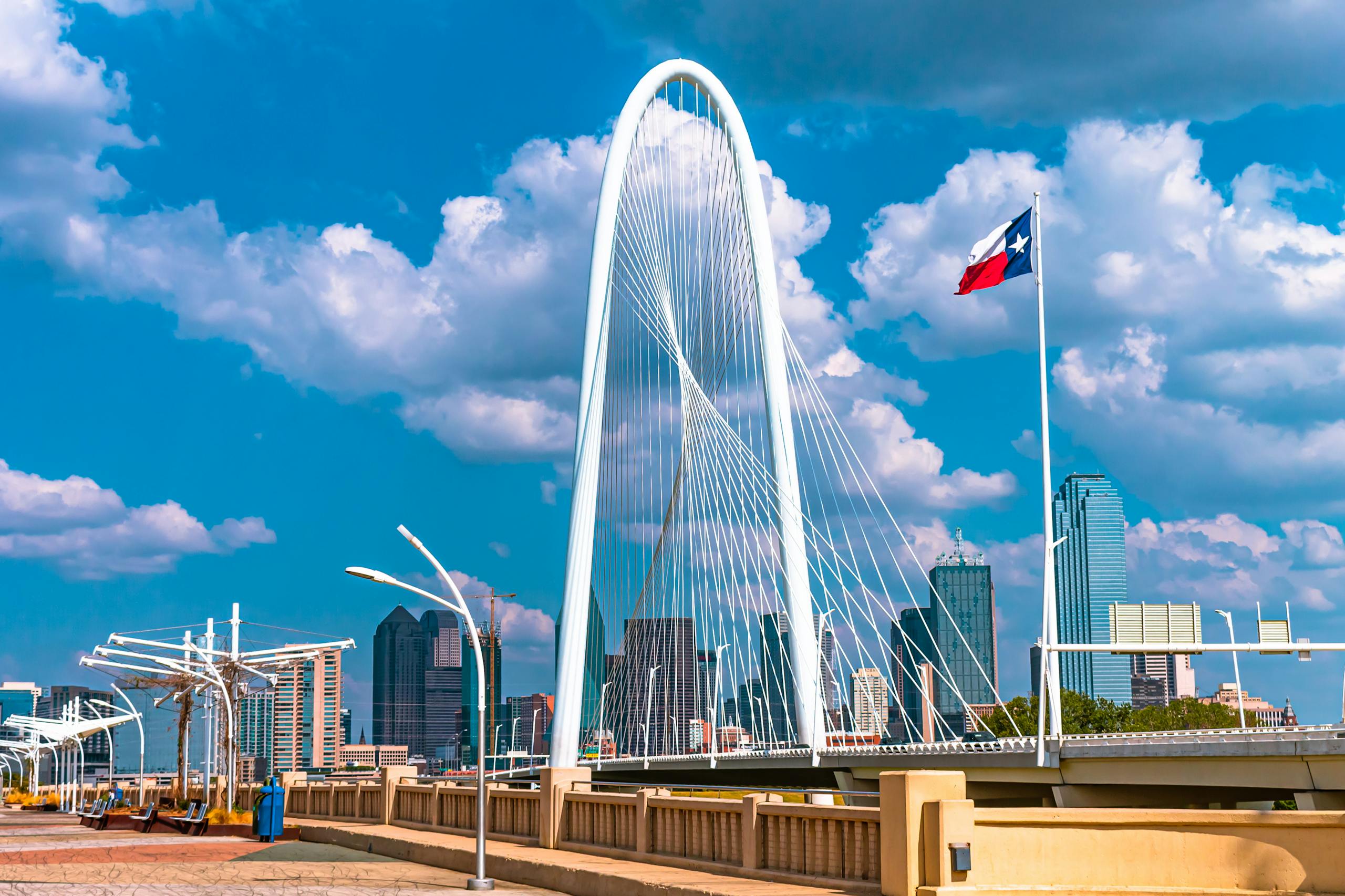
Texas has one of America’s loudest hospitality brands.
Big welcomes, big meals, big pride, and big opinions.
But that pride can come with invisible rules. Guests may feel loved when they fit the local mood, but corrected when they do not. A host may be warm and generous, then suddenly stiff if politics, manners, food, family roles, or regional identity come up the wrong way.
That makes Texas hospitality powerful but complicated. It can feel huge and sincere. It can also feel conditional.
Visitors may leave impressed by the kindness and still remember the moment they felt judged for not knowing how things are done there.
Illinois Can Make Guests Feel Lost in the Crowd
Illinois, especially around Chicago, can feel socially intense.
People may be busy, direct, and used to city life that rewards speed over softness. A host who thinks they are being practical may come across as impatient. A guest asking too many questions may quickly feel like a burden.
The state is not unfriendly across the board. Many communities are deeply welcoming. But in faster, denser areas, hospitality can feel more transactional than warm.
That can be jarring for visitors who expect Midwest softness everywhere. Illinois can offer charm, but it may not always arrive with the gentle tone outsiders expect from the region.
Florida Can Feel Friendly Until the Patience Runs Out
Florida sells sunshine, beaches, theme parks, retirement dreams, nightlife, and vacation energy.
That makes the rudeness feel more surprising when it shows up.
Guests may expect relaxed hosts and easygoing manners. But in busy parts of Florida, especially tourist-heavy areas, locals and workers can feel exhausted by crowds, traffic, noise, and constant demands. That stress can leak into everyday hospitality.
A host may start polite and still become short when things get complicated. Visitors notice the switch fast. Sunshine does not soften everything, especially when everyone seems hot, rushed, and tired of explaining the same thing over and over.
Nevada Can Feel Like Everyone Is Tired of Guests
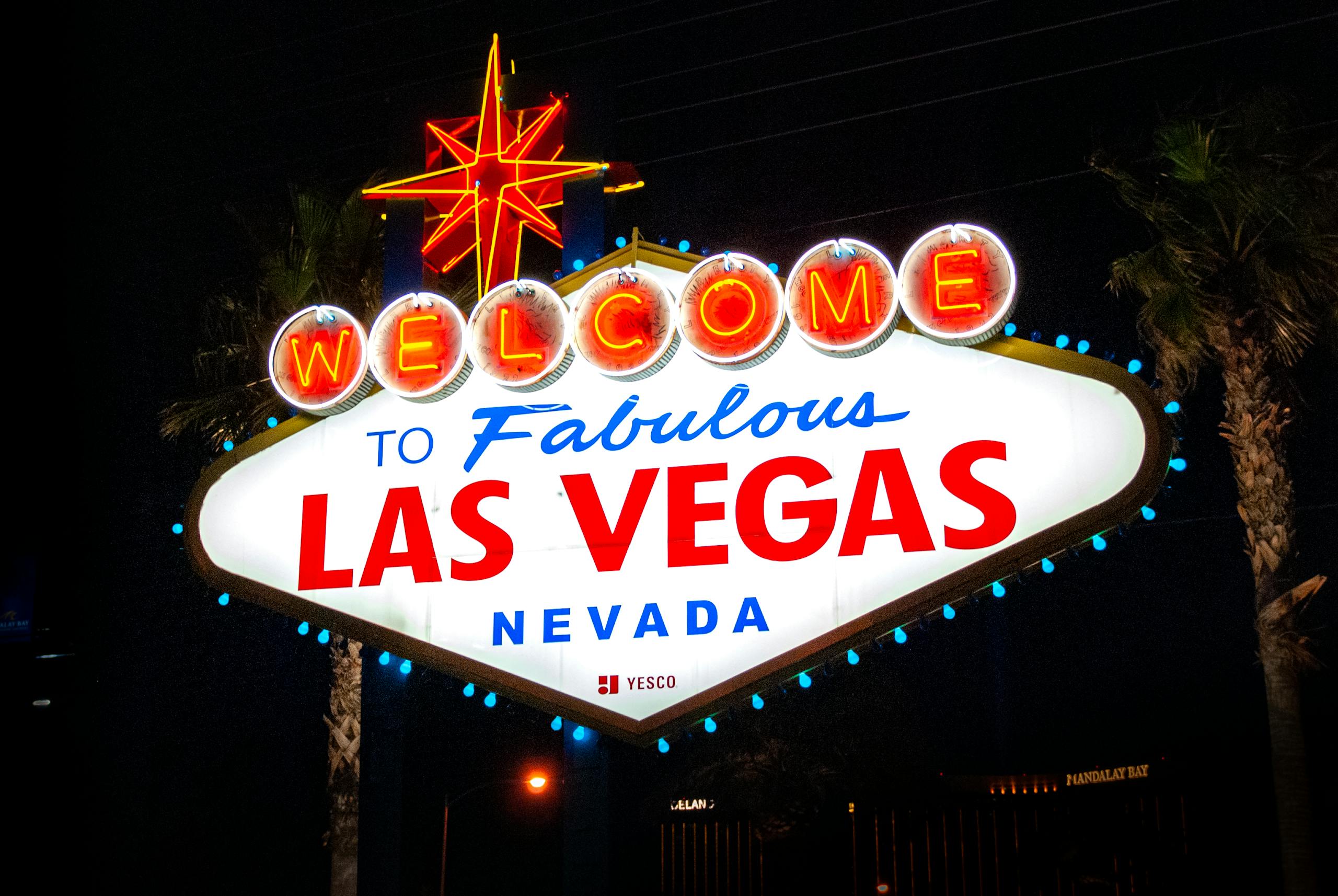
Nevada knows visitors better than almost anywhere.
That may be part of the problem.
In places built around tourism, entertainment, gambling, nightlife, and constant movement, hosts can seem polished but emotionally drained. A guest may receive service, information, and access, but not much warmth behind it.
The welcome can feel like a transaction because so much of the state’s visitor economy runs on transactions.
That does not make the Nevada hosts bad. It means the constant flow of tourists can wear people down. When a place sees guests all the time, the guest experience can start to feel less special.
That is the uncomfortable truth behind this whole debate. Rudeness is often personal, local, and wildly subjective. A blunt host may think they are being honest. A busy host may think they are being efficient. A tired host may think they are simply surviving the day.
But guests remember how a place made them feel. And when the welcome feels cold, rushed, fake, or irritated, it does not matter how beautiful the state looks in photos. The memory that follows them home is the door that never felt fully open.