9 Must-Read Banned Books Before Someone Tells You Not To
Book banning is not a relic of the past. Across the United States, literature is increasingly challenged in schools, libraries, and public spaces. In 2025 alone, thousands of books were removed, restricted, or outright banned, often targeting works that explore race, gender, sexuality, identity, and power. These challenges are rarely random; they disproportionately affect literature that questions conventional norms or amplifies marginalized voices. Reading banned books is not just a cultural act; it is a defense of intellectual freedom, critical thinking, and empathy. The following nine works have faced censorship, yet they remain essential for understanding perspectives that many authorities have tried to suppress.
1984 by George Orwell
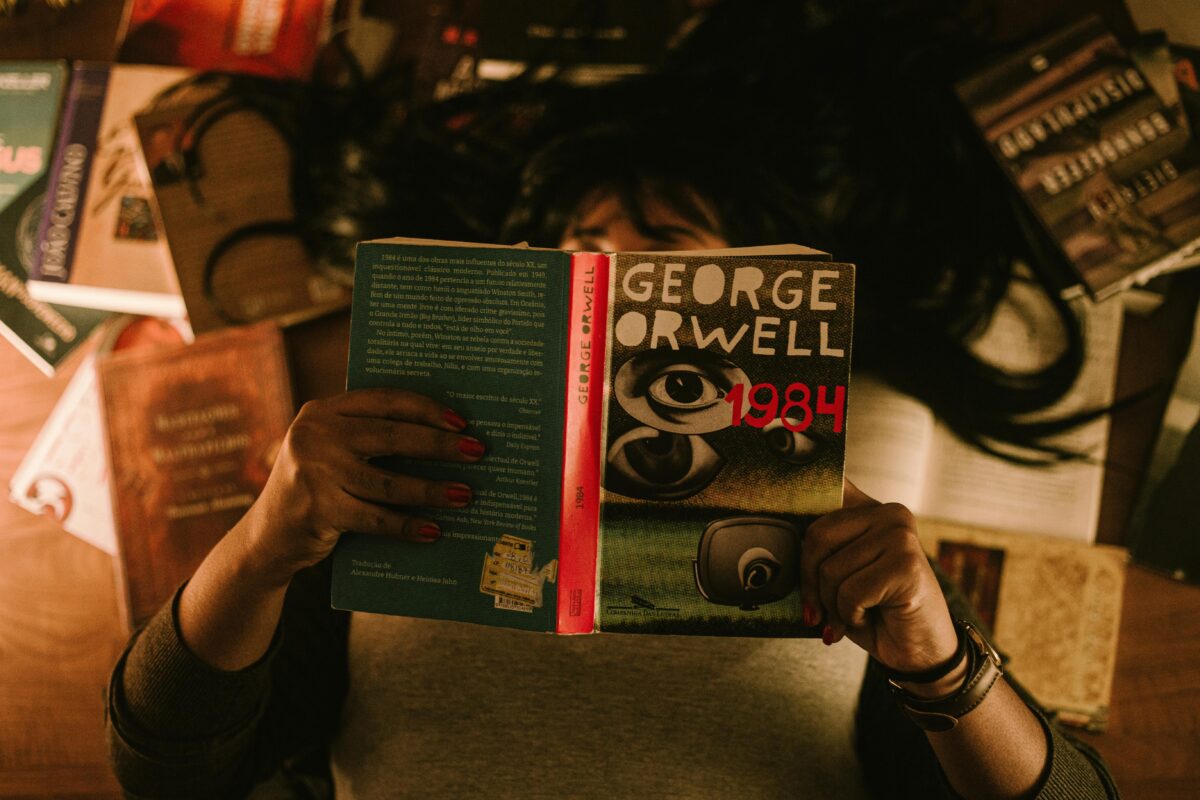
George Orwell’s 1984 offers a terrifying vision of totalitarianism, mass surveillance, and the manipulation of truth. Frequently challenged for its political content and dark portrayal of state control, the novel remains profoundly relevant today. Its exploration of how language and propaganda can shape thought mirrors modern debates over privacy, censorship, and governmental influence. Reading 1984 is a confrontation with the fragility of freedom and the consequences of passive compliance in the face of unchecked power.
The Bluest Eye by Toni Morrison
Toni Morrison’s The Bluest Eye tells the heartbreaking story of Pecola Breedlove, a young Black girl who equates blue eyes with beauty and self-worth. Frequently censored for its frank depiction of abuse, poverty, and systemic racism, the novel forces readers to confront societal pressures that warp self-image. Morrison’s writing exposes the long-lasting consequences of internalized oppression, challenging readers to reflect on how cultural standards, family, and society shape identity. Without this novel, generations lose an essential lens on race, trauma, and resilience.
The Handmaid’s Tale by Margaret Atwood
Margaret Atwood’s dystopian masterpiece imagines a theocratic society where women are stripped of autonomy. The book has faced bans for decades due to its provocative themes, yet it remains crucial for understanding how fear, ideology, and law can restrict freedom. Atwood illustrates a world in which compliance is demanded, individuality erased, and rights weaponized, making this story indispensable for exploring gender, power, and societal control.
To Kill a Mockingbird by Harper Lee
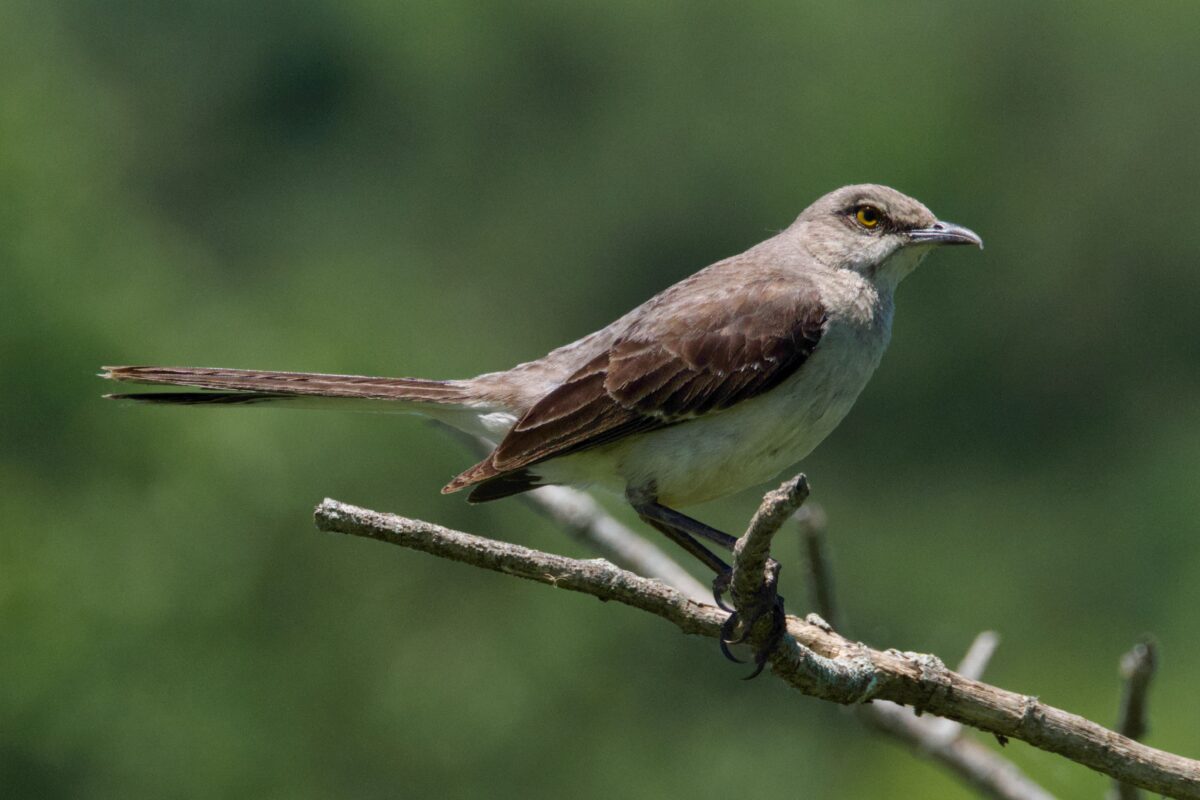
Harper Lee’s To Kill a Mockingbird continues to be challenged for racial language and uncomfortable depictions of prejudice. Its enduring value lies in its exploration of empathy, moral courage, and ethical responsibility in the face of injustice. By examining deeply ingrained racism and the struggles of conscience, the novel remains essential for students and readers seeking to understand the roots of systemic oppression and the human capacity for integrity.
Looking for Alaska by John Green
John Green’s Looking for Alaska follows teens as they navigate grief, identity, and self-discovery. Frequently banned for honest discussions of mental health, sexuality, and adolescent experiences, the novel resonates with readers confronting similar challenges. It validates the struggles of youth and demonstrates how vulnerability, reflection, and resilience shape personal growth. Denying access to this story silences a voice that helps young adults make sense of their own journeys.
Animal Farm by George Orwell
Orwell’s allegorical novella, Animal Farm, distills political corruption and the betrayal of ideals into the story of farm animals overthrowing their human masters. Banned for its political critique, the novella remains a vital exploration of how power can corrupt and how revolutions can fail to fulfill their promises. Its succinct narrative conveys enduring lessons about governance, propaganda, and the cyclical nature of oppression.
Beloved by Toni Morrison
Beloved confronts the lasting psychological and emotional effects of slavery. Frequently challenged for graphic depictions of trauma and abuse, the novel transcends historical narrative to explore memory, pain, and identity. Its story illuminates how systemic oppression leaves generational scars, reminding readers that the consequences of injustice persist far beyond immediate events. Ignoring this work diminishes understanding of America’s history and its human costs.
The Perks of Being a Wallflower by Stephen Chbosky
Chbosky’s coming-of-age story addresses adolescence in all its vulnerability, including mental health, trauma, and sexual identity. Often challenged for its candid content, the novel provides an empathetic and realistic portrayal of youth navigating complex experiences. Its inclusion in schools or libraries allows readers to see themselves reflected in stories of struggle, growth, and resilience, fostering understanding and emotional literacy.
Gender Queer: A Memoir by Maia Kobabe
Gender Queer is an illustrated memoir exploring gender identity and personal discovery. Targeted for LGBTQ+ themes and explicit content, it has faced numerous challenges, yet it remains a critical narrative for promoting visibility and empathy. The memoir encourages readers to question assumptions, embrace difference, and understand the nuanced realities of identity in modern society.
Conclusion
Banned books are far more than controversial titles—they are essential windows into perspectives and experiences that society often tries to silence. From dystopian warnings to personal memoirs, each work confronts readers with uncomfortable truths about race, gender, power, and identity. They challenge assumptions, cultivate empathy, and sharpen critical thinking. Denying access to these books is more than censorship; it limits the freedom to explore, understand, and grow. Engaging with these works before anyone else decides what you can read is a crucial act of intellectual independence and personal empowerment. These nine titles are not just stories; they are vital tools for preserving the freedom to think for yourself.