10 Reasons Honey Isn’t As Innocent As It Looks
Honey has the perfect public image. It looks golden, natural, homemade, and almost too pure to question. People stir it into tea, drizzle it over toast, add it to oatmeal, and treat it like the polite cousin of table sugar.
But honey has a sticky secret. It may come from bees, but the body still treats much of it like sugar. It can bring flavor, comfort, and a few useful compounds, but it can also raise blood sugar, add hidden calories, damage teeth, and trick people into eating more sweetness than they planned.
That does not mean honey belongs in the trash. It means honey deserves less worship and more honesty. Here are the reasons that an innocent-looking spoonful may not be as harmless as it seems.
It Still Counts As Sugar
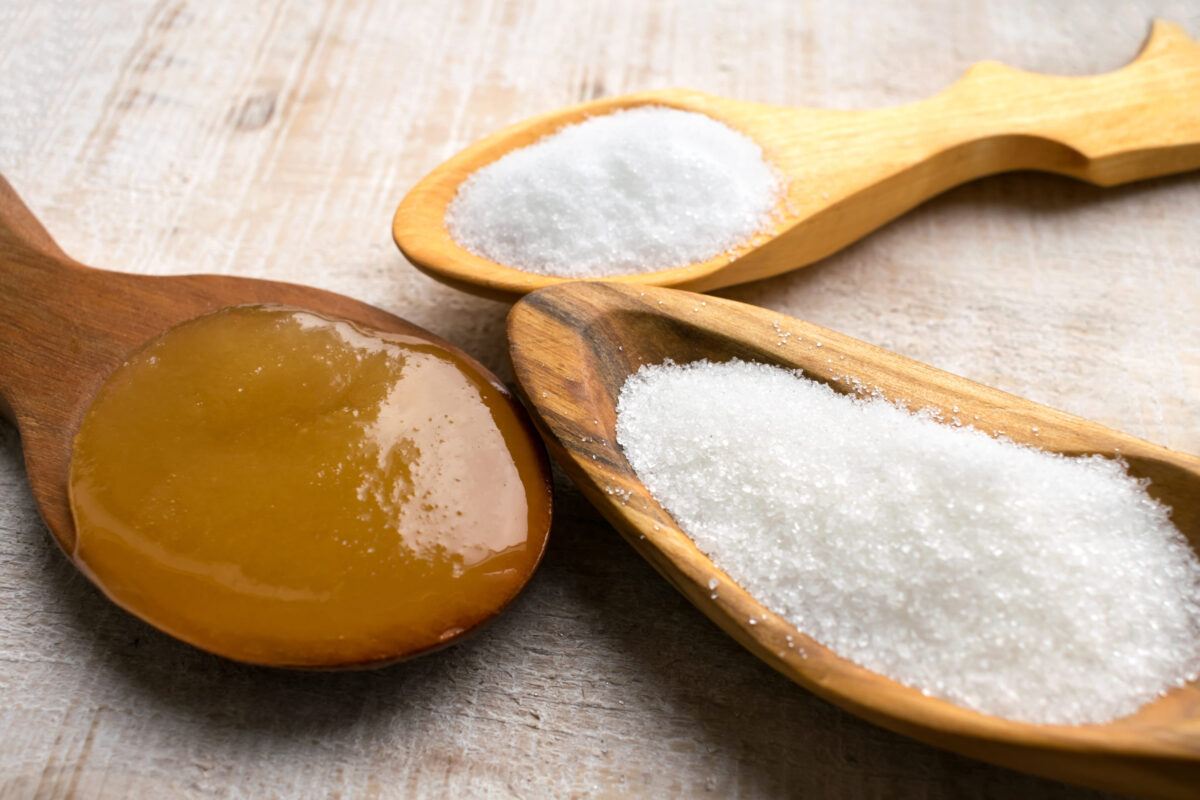
Honey’s natural origin makes it feel healthier than white sugar, but the body is not fooled by the story on the label. Honey is mostly made of simple sugars, mainly glucose and fructose, which are quickly absorbed and used for energy. That is why a spoonful can taste comforting and give a fast lift.
The problem starts when people treat honey as if it were separate from added sugar. A tablespoon can carry a surprisingly heavy sugar load, especially when it is added to tea, yogurt, smoothies, pancakes, salad dressings, and homemade snacks throughout the day. Natural sweetness is still sweetness, and the body keeps the receipt.
The Health Halo Can Make People Use Too Much
Honey benefits from a powerful health halo. Because it comes from bees and not a sugar packet, people often pour it with less caution. A little drizzle becomes a generous swirl, and then another spoonful goes into the tea because it feels harmless.
That mindset is where honey can backfire. People may use more honey than they would ever use white sugar because honey feels cleaner and more wholesome. The danger is not one careful teaspoon. The danger is the belief that honey is too natural to measure.
It Can Still Spike Blood Sugar
Honey may sound gentler than table sugar, but it can still raise blood glucose. This matters for people with diabetes, prediabetes, insulin resistance, or anyone trying to manage energy crashes and cravings. The body breaks down honey’s sugars and sends them into the bloodstream like any other fast carbohydrate.
How we eat honey makes a difference. A teaspoon of plain Greek yogurt with nuts is not the same as honey poured over pancakes, syrup, sweet coffee, and fruit juice in one meal. Pairing honey with protein, fiber, or healthy fats can soften the blow, but it does not make the sugar disappear.
It Works Best As A Small Accent, Not A Daily Flood
Honey is at its best when it adds flavor that plain sugar cannot. A teaspoon can brighten oatmeal, balance vinegar in salad dressing, soften spicy marinades, or make plain yogurt feel less boring. Used that way, honey can make simple food more enjoyable without taking over the meal.
The trouble starts when honey becomes automatic. If every drink, snack, sauce, breakfast bowl, and dessert gets a drizzle, the “healthy” habit stops looking so harmless. Honey should be treated like a rich accent, not a daily flood of liquid sugar.
It Is Easy To Drink Your Way Into Extra Sugar
Honey often sneaks into drinks because it dissolves so beautifully. Tea, lemon water, smoothies, iced drinks, wellness tonics, and homemade cough mixtures can all become sugar vehicles without looking like dessert. Because drinks go down quickly, the sweetness may not feel as heavy as eating candy or cake.
That is why honey in beverages can become a quiet habit. One cup of tea in the morning, another in the afternoon, and one more at night can add up to several spoonfuls before bedtime. The drink still looks healthy, but the sugar total has already climbed.
Raw Honey Is Not A Miracle Food
Raw honey sounds powerful because the word “raw” makes it feel untouched and almost medicinal. It may keep a more natural texture, aroma, pollen traces, and heat-sensitive compounds than some highly processed honey. For flavor, raw honey can be wonderful.
Still, raw honey is not magic. It does not cancel out calories, erase sugar intake, detox the body, or guarantee stronger immunity. A raw label may make honey more interesting, but it does not turn a sweetener into a cure. We can enjoy raw honey without pretending it has superpowers.
Local Honey Is Not The Allergy Fix People Hope For
Local honey has a charming story behind it. The popular belief says that eating honey from nearby bees exposes the body to local pollen and helps reduce seasonal allergies. It sounds simple, natural, and comforting.
The problem is that allergies are not that simple. Many seasonal allergies come from windborne pollen from trees, grasses, and weeds, not the flower pollen bees usually collect. Honey may taste local and support local beekeepers, but it should not replace real allergy treatment for people with serious symptoms.
It Can Be Dangerous For Babies
Honey is unsafe for babies under 12 months old. This is one of the clearest warnings about honey and one that parents should take seriously. Honey can contain spores linked to infant botulism, a rare but serious illness that babies are more vulnerable to because their digestive systems are still developing.
This warning includes raw honey, pasteurized honey, honey mixed into water, honey on pacifiers, honey in baby food, and foods made with honey. Adults and older children can usually handle honey safely, but babies are different. For infants, honey is not a natural remedy. It is a risk.
Honey In Wound Care Is Not Kitchen Honey
Honey has a real history in wound care, but this is where many people get the wrong idea. Medical-grade honey is specially prepared, sterilized, and used in controlled wound dressings. That is very different from opening a jar from the pantry and spreading it on a cut.
Kitchen honey is food, not a medical product. It may contain particles or spores that do not belong in an open wound. Anyone dealing with burns, ulcers, infected cuts, or slow-healing wounds should leave wound treatment to proper medical guidance instead of turning breakfast honey into a bandage.
Honey Can Be Rough On Teeth
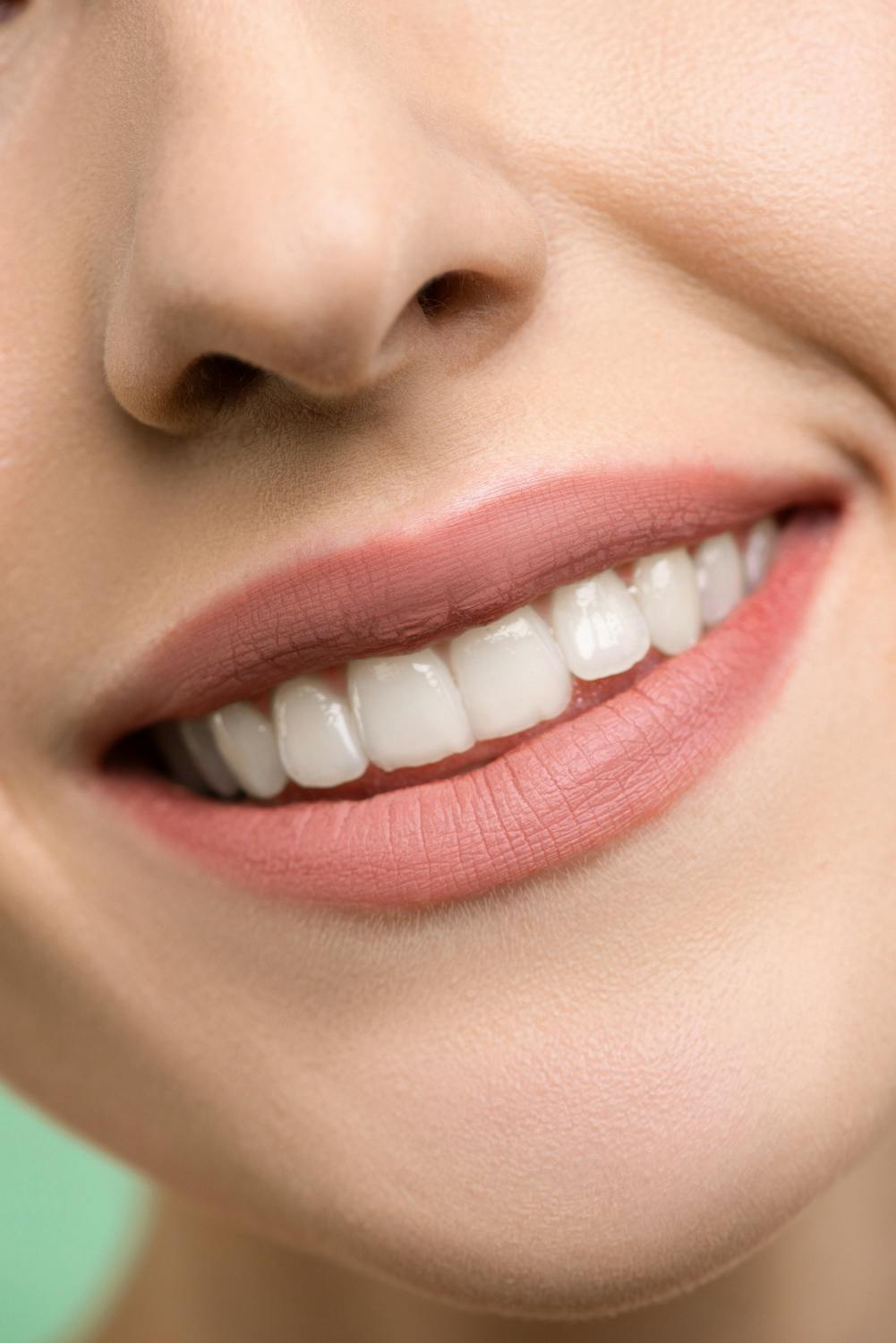
Honey may feel softer and more natural than candy, but teeth do not care about the branding. Sugars can feed bacteria in the mouth, and those bacteria produce acids that attack tooth enamel. Because honey is sticky, it can cling to teeth longer than people realize.
The risk grows when honey is sipped slowly in tea, eaten before bed, or added to snacks throughout the day. Frequent sugar exposure gives the mouth less time to recover. Drinking water afterward and keeping honey away from bedtime routines can help, but the safest move is still moderation.
Honey is not evil, but it is not innocent either. It has flavor, history, comfort, and some useful qualities, yet it still brings sugar, calories, dental risks, and real limits. The smartest way to use honey is to respect it rather than romanticize it.
A spoonful can be fine. Three or four spoonfuls every day can quietly become a problem. Honey works best when we use it with intention, measure it honestly, and stop pretending that natural sweetness gets a free pass.