Australia Sets a Legal Limit for How Stoned You Can Be Behind the Wheel
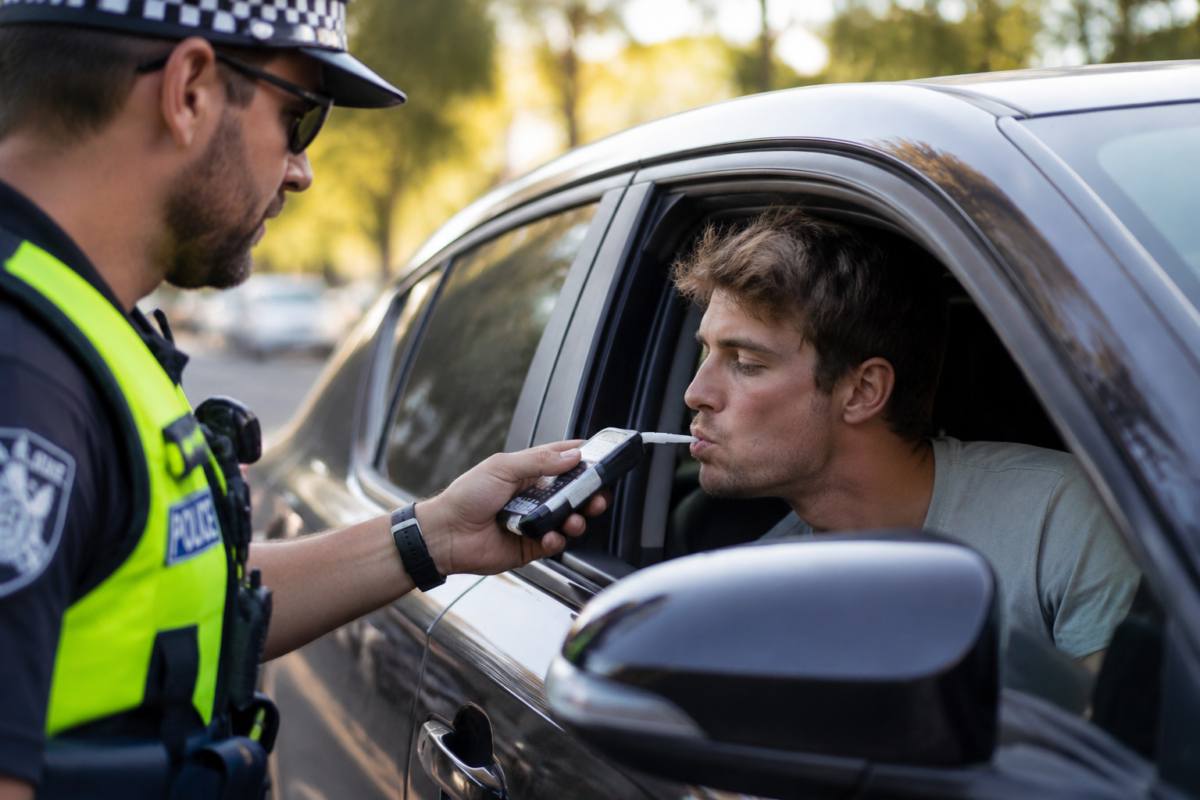
Australia is taking a bold step by defining exactly how stoned is too stoned to drive. The government of New South Wales has proposed a clear numerical THC threshold that allows drivers with a valid medicinal cannabis prescription to remain within the law, provided their THC levels stay below a defined limit. This is a landmark policy shift that could influence how other countries approach cannabis and road safety.
For years, drivers faced penalties if any THC was detected in their system during roadside tests, even if they were not impaired. That zero-tolerance approach created difficult situations for medicinal cannabis patients, who legally use THC for chronic pain, anxiety, or other health conditions. Now, registered users can legally drive while staying under the threshold, making enforcement more equitable while still prioritizing public safety.
Why This Change Matters
The new threshold is designed to separate legal use from actual impairment. Previously, medicinal cannabis patients risked fines or license suspension simply because THC remained in their system for hours or even days after use. This policy introduces fairness and clarity, ensuring that drivers who are capable of safely operating a vehicle are not unfairly penalized.
The introduction of a numerical limit also aligns THC regulation more closely with alcohol laws. With alcohol, drivers are judged by blood alcohol concentration, a measurable standard directly related to impairment. THC behaves differently in the body, lingering long after effects fade, which makes impairment harder to assess. A defined legal limit provides a practical solution while still discouraging unsafe driving.
How the New System Works

Under the proposed rules, drivers must be fully licensed and registered with Transport for NSW as medicinal cannabis users. Learner drivers, provisional license holders, and commercial drivers are excluded. Roadside drug tests remain in effect, and drivers who test positive for THC above the limit will receive a 24-hour suspension while laboratory analysis confirms the exact concentration.
If THC levels remain below the threshold, drivers are not penalized. Repeated breaches could result in fines and license suspensions, following a warning-first approach. Drivers must also provide proof of prescription and complete an educational module about the effects of cannabis on driving. This ensures that patients understand how their medication may affect their abilities and the importance of responsible driving.
Safety Is Still Key
Even with a legal THC limit, it is essential to recognize that THC can impact cognitive function, coordination, and reaction time. Legal THC levels do not guarantee a person is fully unimpaired. Drivers must use judgment, monitor their own abilities, and consider other factors, such as fatigue or the combination of THC with alcohol or other medications.
Authorities stress that a legal threshold does not replace personal responsibility. Drivers must evaluate whether they feel alert and capable. Staying below the THC limit provides a legal safeguard but does not remove the need for safe driving practices. This combination of legal clarity and personal responsibility is central to the policy.
Challenges and Debate

Not everyone supports the new system. Critics argue that there is not yet a universal scientific consensus linking specific THC concentrations to impairment. Individual reactions to THC vary widely, meaning one driver could be impaired at a level that is safe for another. Road safety experts caution that a numerical threshold could create a false sense of security for drivers who might still be affected by cannabis.
Supporters of the reform emphasize the need to balance public safety with fairness for medicinal cannabis patients. These users rely on legally prescribed THC for legitimate health reasons, and penalizing them for following medical guidance is seen as unjust. The new limit attempts to provide legal certainty while minimizing the risk of unsafe driving.
International Context
Australia’s proposal is among the first in the world to set a clear numerical THC threshold for driving. Countries such as Canada and some European nations have implemented impairment-based approaches or varying THC limits, but a global consensus remains elusive. NSW’s approach could serve as a model for other jurisdictions trying to reconcile medicinal cannabis use with road safety regulations.
The challenge internationally has been establishing a measurable standard that reflects real impairment rather than the mere presence of THC. Australia’s numerical threshold aims to provide consistency and predictability for both drivers and law enforcement. It also encourages ongoing research into cannabis impairment, roadside testing methods, and fair legal enforcement.
Broader Implications for Drivers
The introduction of a THC threshold changes the landscape for drivers significantly. Medicinal cannabis patients no longer face automatic penalties for following their prescriptions. At the same time, it underscores the importance of understanding the effects of cannabis on driving performance. Drivers must remain aware that impairment can still occur, and personal responsibility is essential.
The policy also highlights the evolving relationship between public safety, healthcare, and legal frameworks. Governments must balance the growing acceptance of medicinal cannabis with the undeniable need to protect roads from impaired drivers. Clarity, education, and enforcement mechanisms are all critical components of a successful regulatory approach.
Looking Ahead

As recreational and medicinal cannabis use becomes more widespread, policies like NSW’s THC threshold may influence legislation globally. By setting a clear limit, authorities provide both a legal standard and a tool for public education. The policy demonstrates that it is possible to recognize patients’ needs while maintaining road safety. Observers will be watching closely to see whether the approach reduces unfair prosecutions and maintains safe driving outcomes.
Australia’s move to define a THC driving limit is historic, combining fairness for medicinal cannabis users with a continued focus on road safety. Drivers must understand that legal thresholds do not remove all risk, and personal responsibility remains essential. As laws evolve and cannabis use becomes more common, society must find ways to measure and enforce impairment without punishing lawful medical use. This balance will determine whether future reforms achieve both safety and fairness.