12 U.S. Politicians Whose Lies Made Americans Stop Trusting Political Truth
Do any politicians tell the truth anymore? Plenty probably try, but America’s patience has grown thin. Voters have watched scandals, denials, polished half-answers, deleted messages, secret deals, and public speeches that later sounded very different under investigation.
That is why crowd-ranked lists about “lying politicians” hit such a nerve. They are not court verdicts. They are public frustrations, listed. When thousands of voters start naming the same people, the message is clear: Americans are tired of leaders who treat truth like a campaign prop and accountability like a public relations problem.
Anthony Weiner
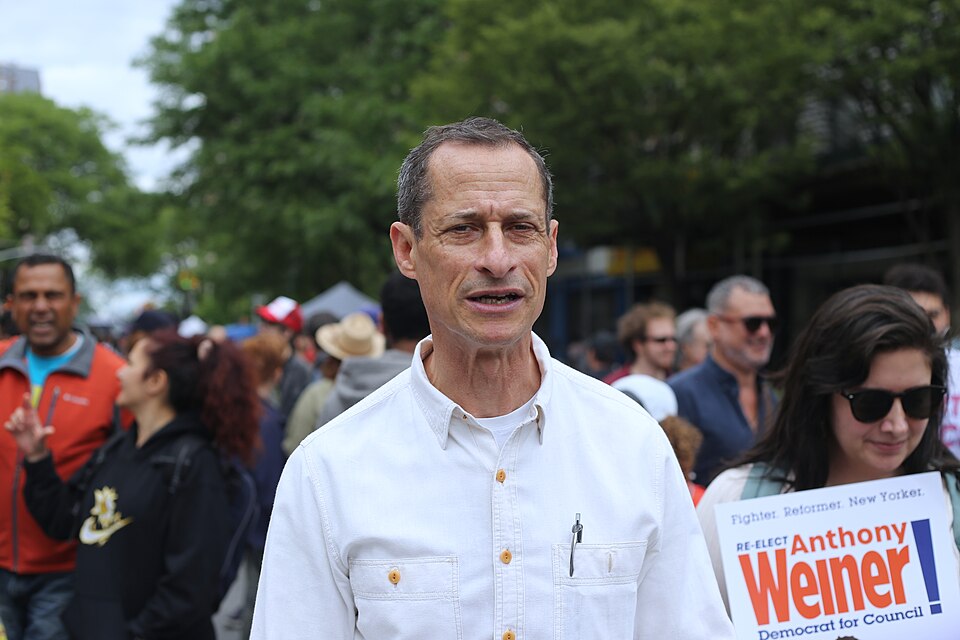
Anthony Weiner sits near the top of the crowd-ranked list because his scandal felt painfully avoidable. The former New York congressman first denied responsibility after an explicit photo appeared online, then admitted he had sent inappropriate messages. That first denial turned an embarrassing story into a full political collapse.
What made the damage worse was the pattern. Weiner resigned from Congress in 2011, later tried to return to politics in New York City, and then faced further scandal. For voters, he became a symbol of the politician who lies first, apologizes second, and expects the public to reset the clock.
Andrew Cuomo
Andrew Cuomo built much of his brand around toughness, competence, and control. That image took a brutal hit after multiple women accused him of sexual harassment and workplace misconduct. A 2021 New York attorney general investigation concluded that Cuomo had sexually harassed multiple women, which he denied in broad terms.
The scandal was not just about personal behavior. It was about the gap between the public image and the workplace described by investigators and accusers. Cuomo resigned as governor in 2021, but the public damage remained. Once voters believe a leader is protecting the brand more than the truth, trust becomes almost impossible to rebuild.
Hillary Clinton
Hillary Clinton has spent decades at the center of American political suspicion. To her supporters, many attacks against her were inflated by partisan obsession. To her critics, the email server controversy, shifting explanations, and careful wording fed a long-running belief that she dodged accountability.
The FBI said in 2016 that investigators found no clear evidence of intentional lawbreaking, but also said Clinton and her team were “extremely careless” with sensitive information. That combination left everyone angry for different reasons. Her critics heard carelessness. Her defenders heard no charges. The result was a trust war that never really ended.
Nancy Pelosi
Nancy Pelosi’s critics often frame her as the polished face of Washington insider power. Her defenders see a disciplined legislative strategist who knew how to count votes and survive political storms. Still, in crowd rankings like this, Pelosi draws anger from voters who believe leaders in Congress say one thing publicly while playing a different game behind closed doors.
Much of the frustration around Pelosi comes from perception rather than one single career-ending lie. Voters often connect her name to elite privilege, stock-trading debates, party messaging, and Washington’s habit of protecting its own. Fair or unfair, that image keeps her on lists where public trust is the real issue.
Bill Clinton
Bill Clinton’s most famous scandal turned one denial into a defining line of his presidency. His public statement about Monica Lewinsky became a cultural flashpoint, and the legal fight around his testimony led to impeachment by the House. The Senate later acquitted him, but the damage to his credibility never disappeared.
Clinton’s case remains powerful because it showed how a personal scandal can become a constitutional crisis. Americans did not all agree on whether impeachment was justified, but many agreed that the public had been misled. That is why Clinton’s name still appears whenever voters talk about politicians and truth.
John Edwards
John Edwards campaigned with a polished image built around compassion, family, and moral seriousness. Then his affair with Rielle Hunter became public, and the story cut straight through that image. His earlier denials made the scandal feel even worse once the truth became unavoidable.
The emotional weight of the scandal came from timing and contrast. His wife, Elizabeth Edwards, was battling cancer, while his public brand leaned heavily on family values and sincerity. Even after his campaign finance case ended without a full conviction, the political damage was done. Voters rarely forgive a brand that collapses under its own hypocrisy.
Joseph McCarthy
Joseph McCarthy built power by making sweeping accusations about communist infiltration in American life. His claims fed fear, damaged reputations, and turned suspicion into a weapon. He did not need to prove every accusation for the damage to spread. The fear did much of the work.
The Senate censured McCarthy in 1954, but the word “McCarthyism” still lives in the American language. That is the real legacy. His rise showed how dangerous politics becomes when accusation replaces evidence and public fear becomes more useful than public truth.
Adam Schiff
Adam Schiff became one of the most divisive figures in the Trump years, especially during investigations tied to Russia, impeachment, and national security. Supporters saw him as a serious prosecutor-style Democrat defending institutions. Critics accused him of overstating claims and using dramatic language to shape public opinion before all facts were settled.
That divide explains why Schiff appears on crowd-ranked lists built around political distrust. His name does not land there because everyone agrees on one proven scandal. It lands there because many voters saw him as a symbol of the era of investigations, when both parties accused each other of turning facts into weapons.
Debbie Wasserman Schultz
Debbie Wasserman Schultz became a major target of voter anger during the 2016 Democratic primary season. As Democratic National Committee chair, she faced criticism from Bernie Sanders supporters who believed the party establishment favored Hillary Clinton. The controversy over leaked emails intensified that anger.
For many voters, Wasserman Schultz represented a larger complaint about party machinery. They believed the public message was neutral, while the private reality felt tilted. Even people who reject the harshest accusations can understand why her name became attached to insider politics and distrust.
Kamala Harris
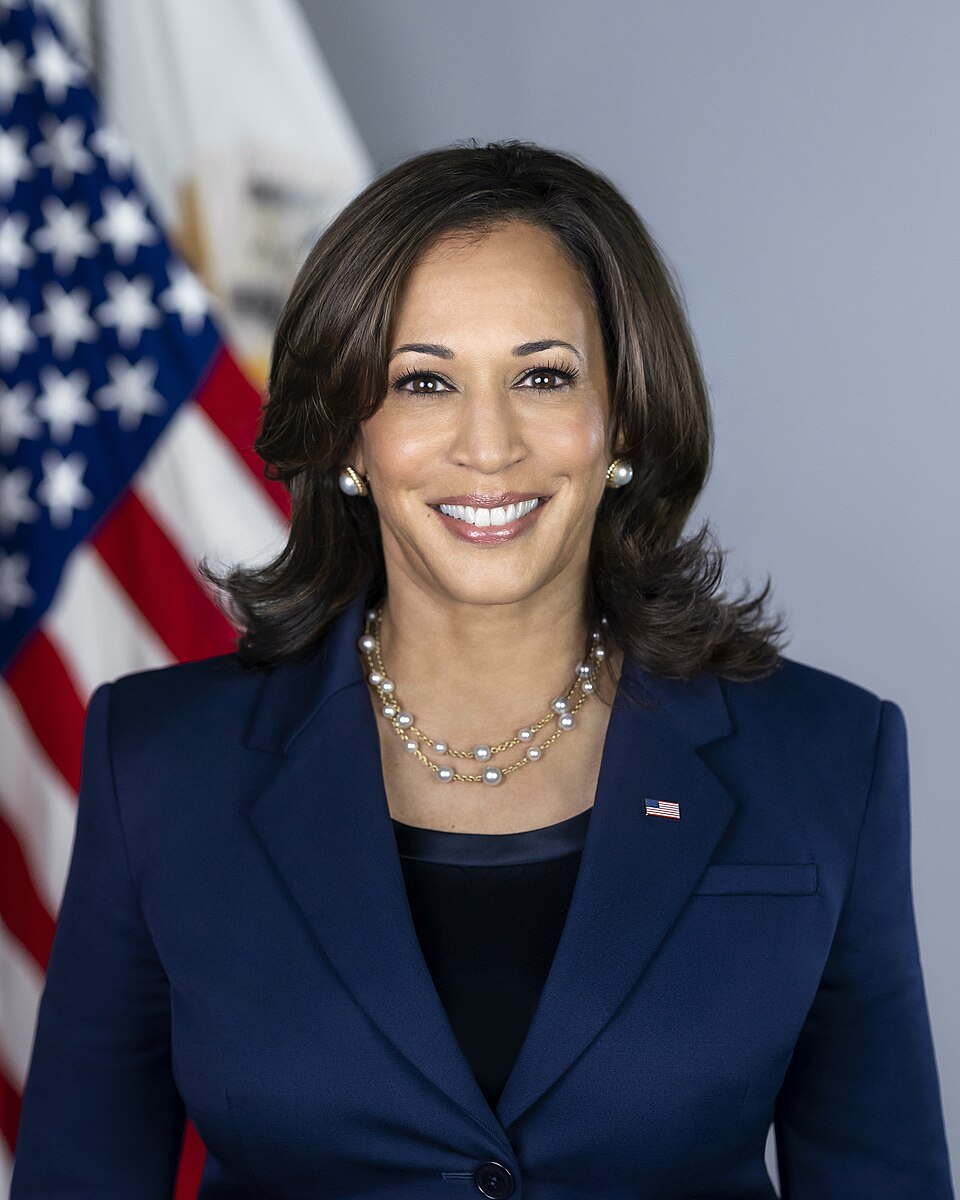
Kamala Harris has faced criticism from both the left and the right over shifts in tone, policy emphasis, and explanations across her career. Critics point to her record as California attorney general, her presidential campaign positions, and later national messaging as evidence that her political identity changed depending on the moment.
Supporters argue that politicians grow, respond to new evidence, and operate in different roles with different duties. Critics see calculation. That tension explains her appearance on voter-driven lists like this. In a low-trust political climate, even normal political evolution can be read as proof that a leader is hiding the real story.
David Duke
David Duke’s place on a list like this carries a different kind of weight. His long association with extremist politics and racist ideology made him one of the most controversial public figures in American political life. Even when he attempted to repackage himself for electoral politics, the public record followed him.
Duke’s example shows that voters do not only punish personal scandal. They also punish reinvention that feels dishonest. When a politician tries to soften a past that voters find morally ugly, the issue becomes bigger than one claim. It becomes a question of whether the public is being asked to forget what it already knows.
Richard Nixon
Richard Nixon may not rank at the top of every modern crowd list, but historically, he is impossible to ignore. Watergate remains the political scandal against which many others are measured. The break-in was serious, but the cover-up turned it into a national trauma.
Nixon resigned in 1974 under threat of impeachment, and his name became shorthand for secrecy, paranoia, and abuse of power. The lesson still echoes through American politics. The lie that follows wrongdoing can be more destructive than the original act, especially when the presidency itself is dragged into the cover-up.
Why These Rankings Hit Such a Nerve
Crowd-ranked lists are messy. They mix proven scandals, partisan anger, old grudges, media narratives, and public memory. Some names appear because of documented misconduct. Others appear because voters believe they represent something slippery about modern politics.
Still, the popularity of lists like this says something real. Americans may disagree about parties, policies, and personalities, but many share the same exhaustion. They feel talked down to. They feel spun. They feel like leaders confess only after the evidence becomes impossible to dodge.
The most damaging political lies are not always the loudest ones. Sometimes they are careful omissions, rehearsed denials, selective explanations, or statements designed to survive one news cycle at a time. That is why trust keeps shrinking. Voters are not just angry that politicians lie. They are angry that so many politicians seem shocked when anyone expects the truth.