Florida’s Rent Crisis Is Forcing Families Out of Their Homes
Florida still looks like paradise from the outside. The beaches are crowded, the apartment towers keep rising, the moving trucks keep arriving, and the state’s growth story still sounds powerful on paper. But for renters, that sunny image is cracking under a brutal reality: Florida has become one of the hardest places in America to keep a roof overhead.
We are watching a housing crisis turn ordinary monthly bills into eviction threats. Renters are not just complaining about higher prices. They are cutting groceries, skipping savings, moving farther from work, doubling up with relatives, and praying the next lease renewal does not push them out. The pressure is no longer limited to Miami or Orlando. It is spreading across coastal cities, inland counties, retirement communities, suburbs, and small towns that once gave working families a little breathing room.
Florida’s Rent Math Has Become Impossible for Working Families

The clearest problem is the math. Florida’s median gross rent rose from $1,238 in 2019 to $1,719 in 2023, a jump of about 39% in only a few years. For a renter, that is not just a statistic. That is nearly $500 more every month before groceries, gas, utilities, insurance, child care, medical bills, and debt payments even enter the picture.
We cannot pretend families received raises large enough to absorb that shock. Many workers kept the same jobs, took small raises, or added side work while rent sprinted ahead of their paychecks. A household that once felt stable can become fragile after one rent renewal. Once housing takes the first and largest bite out of income, every other need becomes negotiable.
Florida Now Requires a High Wage Just to Rent a Basic Two-Bedroom
The income needed to rent safely in Florida has climbed far beyond what many workers earn. A household needs about $77,522 a year, or $37.27 an hour, to afford a modest two-bedroom rental home at fair market rent without spending more than 30% of income on housing. That wage is far above what many hospitality workers, retail employees, child care workers, restaurant staff, health aides, delivery drivers, and security workers make.
This is where the crisis becomes impossible to dismiss. Florida depends on these workers every day. They clean hotel rooms, serve meals, care for patients, stock stores, teach children, and keep tourism running. Yet many of them cannot afford to live near the communities they serve. That gap turns rent into a daily punishment for people doing essential work.
Eviction Filings Are Turning Rent Stress Into Family Displacement
Eviction is not just a court case. It is a family emergency with paperwork attached. Once an eviction is filed, renters can face late fees, legal pressure, a damaged rental history, lost deposits, sheriff’s removal, school disruption, and a desperate search for another landlord willing to accept them. Even when a tenant avoids physical removal, the filing can follow them into future applications.
That is why rising eviction pressure matters so much. A missed payment can start with a reduced work schedule, a medical bill, a car repair, or a delayed paycheck. Within weeks, it can become a housing record that makes the next apartment harder to secure. For families with children, the damage reaches beyond rent. It can affect school attendance, sleep, emotional stability, transportation, and safety.
No Rent Control Leaves Florida Tenants Exposed to Sudden Rent Hikes
Florida renters face a legal framework that offers little protection against steep rent increases at the end of a lease. State law bars local governments from imposing rent control, so cities and counties cannot easily create local rent-stabilization systems during affordability crises. Renters may pay on time for years and still face a renewal price that forces them out.
That creates a constant fear around every lease cycle. A family can do everything right, follow the rules, care for the unit, avoid complaints, and still lose the home because the next price no longer fits their income. The market may call that a normal adjustment. The family experiences it as displacement.
Luxury Apartments Keep Rising While Affordable Rentals Stay Scarce
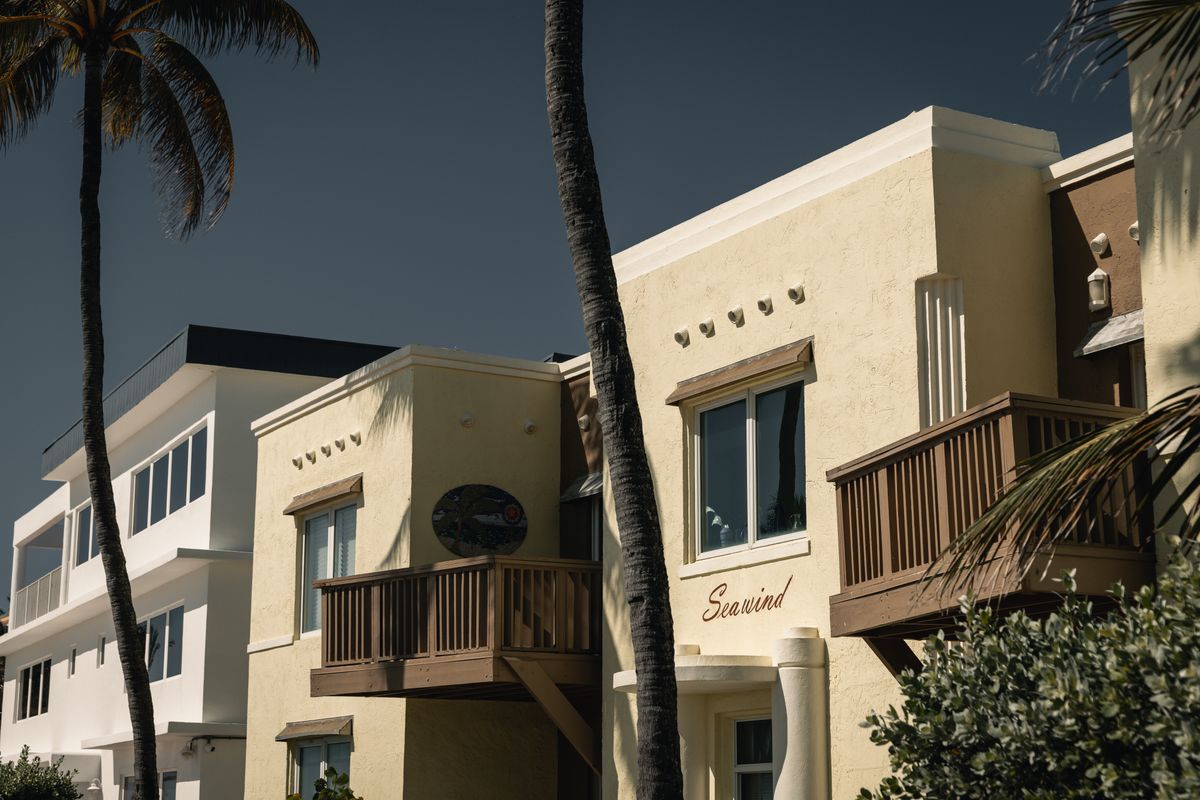
Drive through many Florida cities, and the construction looks endless. New apartment complexes rise with sleek branding, bright leasing offices, gyms, package rooms, pet spas, and resort-style pools. The buildings may look like progress, but many are priced for higher-income tenants, newcomers, remote workers, or households with more financial cushion.
That is why more construction does not automatically solve the crisis. Florida can build thousands of new units and still leave working renters behind if most of the new homes are out of reach. The state has a severe shortage of affordable, available rental homes for extremely low-income households. When the market mostly serves people who can pay more, the renters with the least money are pushed into overcrowded, unsafe housing, long commutes, or homelessness.
Population Growth Is Making Longtime Renters Compete With Wealthier Newcomers

Florida’s population boom has changed the rental market. New residents bring demand, income, investment, and competition. Some arrive with higher salaries, remote-work earnings, savings from more expensive states, or the ability to pay higher rents. Landlords issue notice and demand, and adjust prices accordingly.
Longtime renters often lose in that competition. A resident who helped build a community for ten or twenty years can suddenly find that the neighborhood has become too expensive to remain in. Growth sounds impressive in economic reports, but it can feel cruel when it replaces local stability with bidding pressure. A state can gain residents and still lose the people who make its communities work.
Seniors on Fixed Incomes Are Running Out of Safe Options
Florida’s renter crisis is especially frightening for seniors. Many older renters live on Social Security, pensions, disability income, or limited retirement savings. When rent rises, they cannot always increase their income. They may not be able to take another job, move heavy furniture, pay a large deposit, or compete in a crowded rental market.
For seniors, rent pressure can quickly become a health issue. Some cut food, medication, transportation, dental care, home cooling, or doctor visits to stay housed. Others remain in units they can barely afford because moving feels impossible. Florida may market itself as a retirement haven, but too many older renters live in fear that a single rent hike could erase their security.
Working Families Are Being Pushed Farther From Schools and Jobs
Rent increases do more than change an address. They disrupt entire lives. When families move because rent becomes impossible, children may lose schools, friends, routines, and trusted teachers. Parents may lose reliable child care, nearby relatives, short commutes, church communities, clinics, and neighbors who helped them survive.
The hidden cost of displacement is time. A cheaper apartment farther away may add hours to the workweek through longer commutes. Gas costs rise. Child care becomes harder. Parents get home later. Children spend more time waiting, traveling, or adjusting. The rent may be slightly lower, but the family pays in exhaustion.
Small Cities Are No Longer the Easy Escape Route
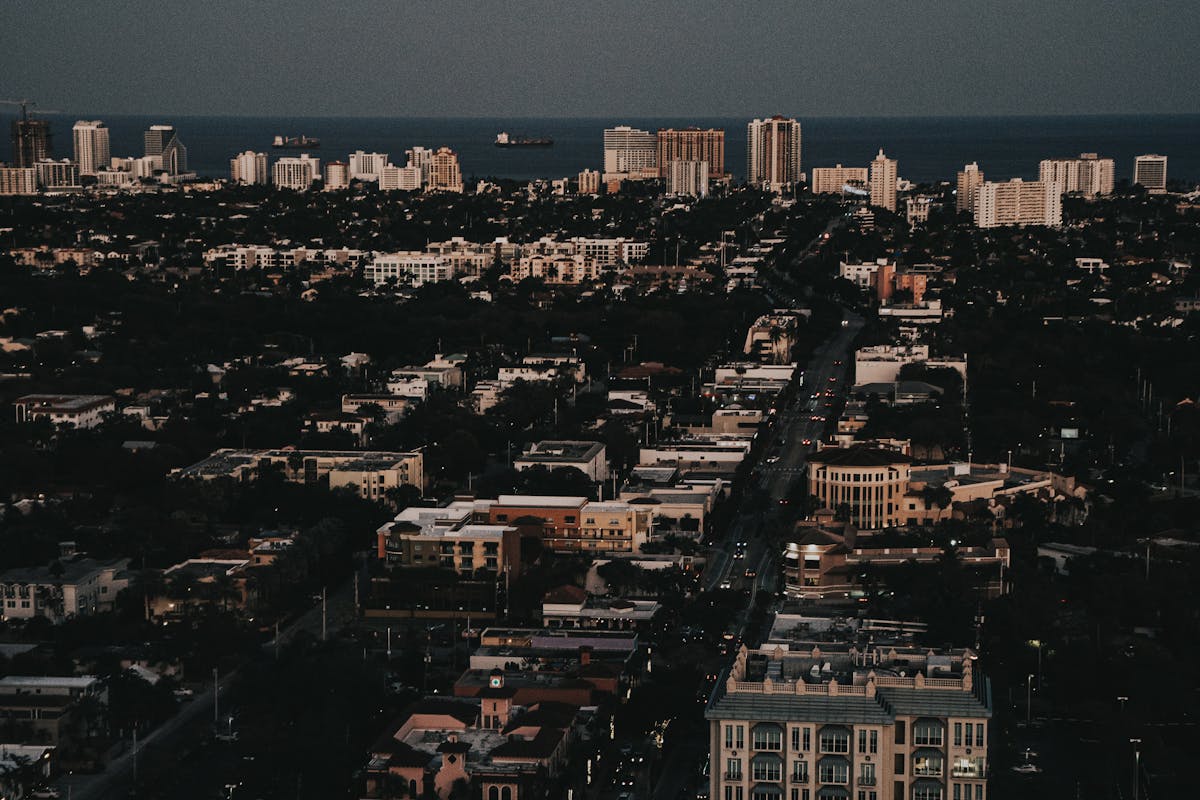
For years, renters responded to high prices by moving away from major cities. That option is shrinking. Smaller cities and inland counties are also absorbing demand from people priced out of coastal metros and fast-growing urban areas. As more renters search for cheaper housing, the cheaper places become more expensive too.
This creates a statewide squeeze. Leaving Orlando, Tampa, Miami, or Fort Lauderdale does not guarantee real relief if the next county has fewer jobs, fewer transit options, fewer rentals, and rising prices of its own. A lower rent number can come with hidden costs, especially when transportation and employment become harder. Florida renters are running out of easy exits.
Florida Needs More Than Luxury Construction and Political Silence
Florida cannot solve this crisis with luxury apartments alone. It cannot rely only on market optimism, emergency charity, or distant promises of future supply. The state needs a stronger rental strategy that includes deeply affordable housing, preservation of existing affordable units, better legal help for tenants, targeted rental assistance, and more local flexibility in areas facing severe rent pressure.
We should stop treating renter pain as a private budgeting failure. Many tenants are working, raising children, caring for relatives, and paying as much as they can. The real problem is that rent has outrun the income of the people Florida still depends on every day. When housing becomes this expensive, even responsible families can fall behind.
The Real Warning Is That Florida Can Look Successful While Renters Are Drowning
Florida’s economy can still look strong from a distance. Tourism can remain busy. New residents can keep arriving. Developers can keep building. Property values can keep rising. But none of that erases the reality facing renters who open a renewal notice and realize their home no longer fits their life.
A state can grow and still become less livable for the people who keep it running. That is the warning Florida renters are sending now. If teachers, nurses, hotel workers, caregivers, seniors, young families, and longtime residents cannot afford stable homes, Florida’s success story starts to look hollow. The rent crisis is no longer waiting in the future. It is already on the doorsteps of families trying to stay.