Americans Are Quietly Giving Up These 12 Foods Because Prices Got Absurd
Food used to be one of the small comforts people could count on. A good steak after a long week, a box of favorite cereal for the kids, a fast food combo grabbed on a busy night, or a carton of fresh berries tossed into breakfast could make life feel a little easier.
Now, many shoppers are standing in grocery aisles doing mental math with tired faces. The problem is not that Americans suddenly stopped liking these foods. The problem is that the prices have become so irritating, so hard to justify, and so far removed from what people remember paying that many households are quietly cutting them loose.
This is not just about saving a few coins. It is about a broader shift in how people eat, shop, plan meals, and decide what still deserves a place in the cart. Here are the foods many Americans are giving up because prices have become absurd.
Steak Feels Like a Special Occasion Now

Steak used to be the classic reward meal. It was the dinner people bought for birthdays, cookouts, date nights, or a Saturday evening when nobody wanted chicken again. Now, even a basic cut can make shoppers pause before reaching for the package.
Many families are replacing steak with ground beef, pork, chicken thighs, or cheaper cuts that stretch further. The appetite is still there, but the old habit is fading. When one dinner can swallow a painful chunk of the grocery budget, steak stops feeling like comfort and starts feeling like a financial decision.
Bacon Has Lost Its Breakfast Charm

Bacon once had a permanent place in the American breakfast imagination. It made eggs feel better, sandwiches taste richer, and weekend mornings smell like home. But the price has turned a once casual add-on into something many shoppers now skip without much guilt.
Some families still buy bacon, but they use less of it. Instead of stacking strips beside eggs, they crumble a little into potatoes or save it for one meal. That quiet downgrade says a lot. Bacon has not disappeared because people dislike it. It is disappearing because shoppers are tired of paying premium prices for a package that seems to vanish too quickly.
Fresh Seafood Has Become a Luxury Cart Item
Fresh seafood has always been a little more expensive than basic proteins, but now the gap feels brutal. Salmon, crab, shrimp, scallops, and fresh fish fillets can turn a normal grocery run into something that feels closer to a restaurant bill.
That is why many Americans are shifting toward frozen fish, canned tuna, imitation crab, or skipping seafood entirely. Fresh seafood now carries the mood of a splurge rather than a regular dinner. For households already watching every receipt, it becomes one of the first things to go.
Brand Name Cereal Is Getting Replaced

Cereal used to be the easy answer for breakfast. It was quick, familiar, kid-friendly, and simple enough for busy mornings. But brand-name cereal has become one of those items that can shock shoppers when they see the shelf tag.
Families are turning to oatmeal, store brands, bulk bags, eggs when prices allow, toast, or homemade breakfast options. The flashy boxes still look tempting, but shoppers are less loyal than they used to be. When a box of cereal starts to feel like a luxury product, people begin to ask whether the cartoon mascot is really worth the extra money.
Coffee Lovers Are Trading Down
Coffee is not just a drink for many Americans. It is the morning ritual, the office survival tool, and the small daily pleasure people defend even when everything else gets cut. But rising prices have started testing that loyalty.
Some shoppers are giving up premium beans, single-serve pods, specialty creamers, or daily coffee shop runs. Others are buying bigger budget tubs, switching brands, or stretching what they already have. The caffeine habit remains strong, but the luxury around it is shrinking. People still want coffee, but they are less willing to be robbed by it.
Fast Food Combos No Longer Feel Cheap
Fast food built its empire on speed, convenience, and affordability. For years, it was the easy answer when families were tired, workers were rushed, or teenagers wanted something filling. But combo meals have become expensive enough that many customers now look at the total and feel insulted.
When burgers, fries, and drinks start competing with grocery-store meals or casual-dining prices, the value argument weakens quickly. More people ae skipping combos, using apps only for deals, ordering smaller meals, or cooking at home. Fast food is still convenient, but convenience feels different when the receipt looks unreasonable.
Fresh Berries Are Losing Their Everyday Spot
Fresh berries are bright, healthy, and easy to love. Strawberries, blueberries, raspberries, and blackberries make breakfast, snacks, desserts, and smoothies feel fresh without much work. Unfortunately, those tiny containers can feel painfully overpriced.
Many shoppers now treat berries as a seasonal buy rather than a weekly staple. Frozen fruit has become the practical backup because it lasts longer and often costs less per serving. Fresh berries still look beautiful in the produce aisle, but beauty does not always survive contact with a tight budget.
Chips and Snacks Are Testing Everyone’s Patience

Snack foods have a special way of making people angry now. The bags look big, the air inside feels bigger, and the price keeps climbing. For shoppers already annoyed by shrinking package sizes, chips and packaged snacks can feel like the clearest example of paying more and receiving less.
That frustration is pushing people toward store brands, popcorn kernels, crackers, homemade snacks, or simply buying fewer treats. Nobody wants to feel foolish for paying for a half-empty bag. Snack brands may still dominate the aisle, but shoppers are no longer pretending the math feels fair.
Deli Sandwiches Are Harder to Defend
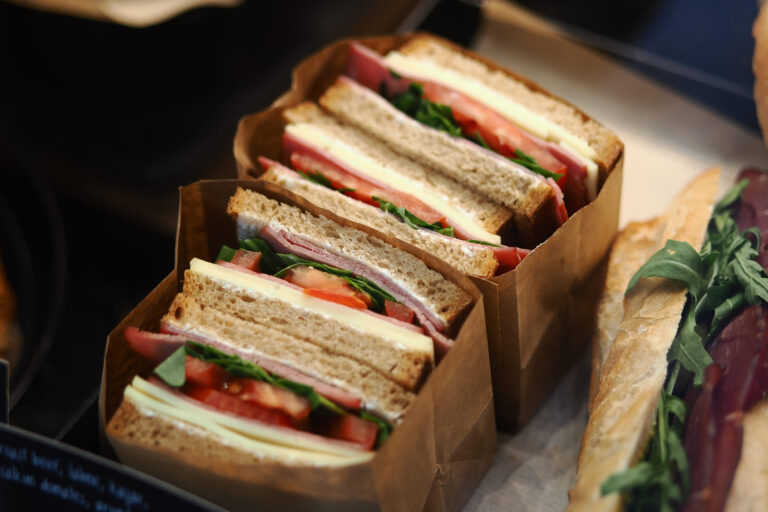
A deli sandwich used to be the quick middle ground between cooking and dining out. It felt fresher than fast food and cheaper than a sit-down restaurant. But when a basic sandwich starts creeping toward restaurant prices, people start questioning the whole arrangement.
More workers and families are packing lunches again, buying bread and cold cuts, or preparing simple meals at home. The deli counter still has its appeal, especially on rushed days. But the old sense of value has weakened. A sandwich has to do more than exist if it wants to justify a painful price tag.
Fresh Orange Juice Feels Premium Now

Fresh orange juice once felt like a normal breakfast drink. It sat beside eggs, toast, pancakes, or cereal without making the meal feel fancy. Now, premium bottles and fresh-squeezed options can look surprisingly expensive for something families may finish in a day or two.
Many households are switching to smaller bottles, frozen concentrate, powdered drinks, or skipping juice altogether. Water, tea, and budget-friendly beverages are taking their place. Orange juice still has that sunny morning image, but the price has made it easier for people to leave it behind.
Chicken Wings Are No Longer the Cheap Party Food
Chicken wings used to be the casual crowd-pleaser. They worked for game day, family gatherings, takeout nights, and backyard meals. But rising demand and restaurant pricing have changed the way many people see them.
Shoppers now compare wings with thighs, drumsticks, whole chickens, and other cuts that offer more meat for the money. Restaurants have also made wing orders feel less casual than they used to. The result is simple. Wings still taste great, but they no longer feel like the obvious budget-friendly party food they once were.
Bakery Desserts Are Becoming Easier to Skip
Bakery cakes, cupcakes, cookies, pastries, and pies still know how to tempt shoppers. They sit behind glass looking festive, easy, and delicious. But the price of a small treat can quickly feel out of step with what people are trying to spend.
More Americans are baking at home, buying boxed mixes, choosing grocery store markdowns, or saving bakery desserts for actual celebrations. The everyday impulse buy has taken the biggest hit. People still want sweetness, but they are becoming more selective about when they pay bakery prices for it.