The World Is Not Running Out of Oil Yet, But the Real Problem Is Worse
Oil has been “running out” for longer than most people have been alive. Every few years, a new warning spreads across the internet: the wells are drying up, the pumps are doomed, and modern life is about to slam into an energy wall.
The truth is more complicated, and honestly, more unsettling. We are not about to wake up tomorrow to an empty planet, but the age of easy, cheap, politically calm oil is already fading.
That is the real story. The danger is not one dramatic final barrel. The danger is a world still addicted to oil while the best barrels become harder, dirtier, costlier, and more politically dangerous to reach.
The “Years Left” Number Tricks People

The famous “how many years of oil are left” number sounds simple, but it can be deeply misleading. It divides known proven reserves by current production, then pretends the future will politely behave like the present.
That is not how energy works. Demand changes, prices change, technology changes, wars interrupt supply, and new reserves become profitable only when oil is expensive enough. So when people hear that the world has a few decades of oil left, they often mistake a rough accounting tool for a countdown clock.
Proven Reserves Are Not All the Oil Underground
Proven reserves do not mean all the oil that exists. They mean the oil companies and governments believe can be recovered with reasonable certainty under current conditions.
That phrase matters. If prices rise, technology improves, or a difficult field becomes worth developing, some resources can move into the proven category. If prices fall or politics sour, some reserves can become less attractive. Oil reserves are not a frozen number carved into stone. They are a moving target shaped by money, machines, and risk.
Cheap Oil Is the Part We Should Worry About
The world may still have a lot of oil, but not all barrels are equal. Some oil flows easily from giant fields. Some must be pulled from deep water, tight rock, tar sands, or politically unstable regions.
That difference is everything. A barrel that costs a fortune to extract does not comfort families paying high gas prices. A barrel stuck under sanctions, war zones, or fragile infrastructure does not help drivers at the pump. The real question is not whether oil exists. It is whether affordable oil can keep arriving exactly when the world demands it.
Demand Refuses to Disappear
For all the talk about electric cars and clean energy, oil is still woven into daily life. It powers cars, trucks, ships, planes, farming equipment, plastics, chemicals, roads, packaging, and global trade.
That is why the oil story refuses to die. Even as some countries push toward cleaner energy, global demand remains stubborn, especially in growing economies. People want mobility, delivery, air travel, construction, food systems, and consumer goods. Behind many of those comforts is oil, quietly doing the heavy lifting.
Politics Can Cause a Crisis Before Geology Does
The world does not need to physically run out of oil to suffer an oil crisis. A war, blockade, sanction, port closure, pipeline attack, or shipping disruption can send prices jumping long before the last barrel is touched.
This is the part many people miss. Oil is not just a resource. It is a geopolitical weapon, a market signal, and a national security obsession. Countries with large reserves can still struggle if production collapses. Countries with little oil can be shaken by events thousands of miles away.
The United States Has Oil, But Not Endless Comfort

The U.S. remains one of the world’s major oil producers, and shale changed the energy map. Still, that does not mean America is immune to pressure.
Shale wells can decline quickly, drilling costs matter, investors demand discipline, and new production must constantly replace old output. The U.S. has more flexibility than many countries, but it still lives inside a global oil market. If global prices rise, American drivers usually feel it too.
Heavy Oil Is Not a Magic Rescue
Some of the largest reserve figures come from countries with very heavy crude. That oil may look impressive on paper, but it can be expensive, slow, and difficult to process.
Heavy oil often needs more energy, more infrastructure, more refining effort, and more environmental compromise. This means reserve size alone can deceive people. A country can have huge reserves and still fail to produce enough oil quickly, cheaply, or reliably. Big numbers do not always mean easy fuel.
Technology Keeps Extending the Deadline
Oil has survived many “running out” predictions because technology keeps moving the line. Better drilling, seismic imaging, offshore platforms, horizontal wells, and enhanced recovery methods have helped producers reach oil once considered unreachable.
But technology is not magic. It can unlock harder barrels, yet those barrels often come with higher costs and bigger environmental questions. Innovation may delay scarcity, but it does not erase the deeper problem. The world keeps building new tricks to feed an old addiction.
The Energy Transition Is Moving, But Unevenly
Wind, solar, batteries, electric vehicles, and efficiency improvements are changing the future of energy. Still, the transition is not happening evenly across countries, income levels, industries, or transport systems.
A wealthy city can install chargers and solar panels faster than a rural region can replace diesel trucks. Airlines and shipping companies cannot switch as easily as homeowners changing light bulbs. This uneven transition creates a dangerous middle period in which oil demand remains high while investment, politics, and climate pressures become more unstable.
The Real Risk Is a Messy Decline
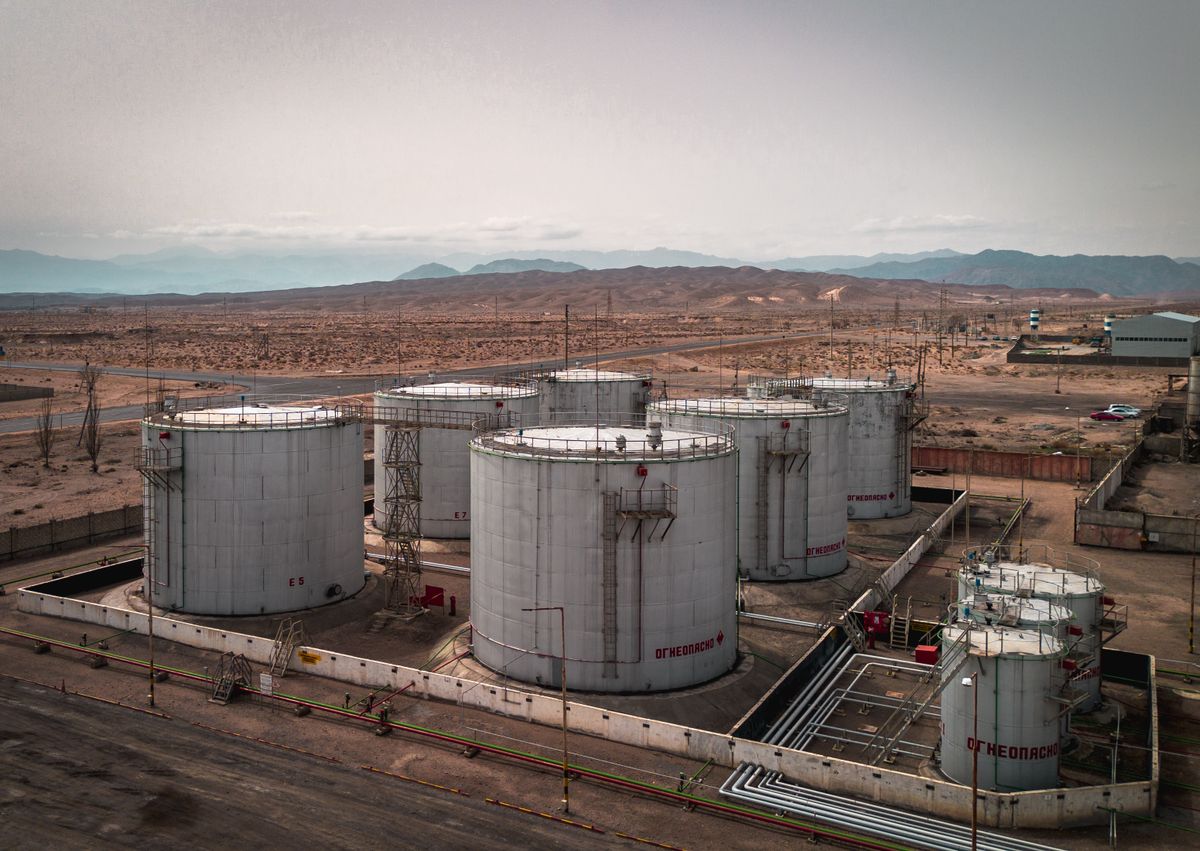
The scariest oil scenario is not an instant empty planet. It is a slow, uneven squeeze in which prices swing wildly, poorer households suffer first, governments panic, and countries fight harder for a reliable supply.
That kind of future would not look like science fiction. It would look like expensive food, higher shipping costs, angry voters, fragile supply chains, and more pressure on families already stretched thin. Oil may not vanish overnight, but a world built around cheap oil can still break when cheap oil becomes harder to trust.
We are probably not on the edge of “no oil left.” That version of the story is too simple. The stronger warning is that the world is running out of the easy confidence it once had in oil.
Reserves still exist, but access, price, politics, technology, and climate pressure are changing the game. The final barrel is not the only thing that matters. The real question is whether the world can reduce its oil dependence before oil becomes too unstable, too expensive, or too dangerous to keep pretending it is harmless.