America’s Favorite Hot Dog Brand Says a Lot About How the Country Eats
America can argue about almost anything on a hot dog. Ketchup or no ketchup. Mustard only or chili and cheese. Chicago-style, New York-style, Detroit Coney, backyard basic, or burned just enough on the grill to taste like summer. But when shoppers walk into the grocery store and reach for one pack over another, the debate becomes less emotional and much easier to measure.
The numbers point to Ball Park Franks as the brand sitting on top of America’s refrigerated hot dog aisle. That lead is not just a small win in a crowded cooler. It is a sign of how American shoppers actually buy food when nostalgia, price, convenience, and trust all collide in one plastic package.
Hot dogs may look like a simple food, but the business behind them is fierce. Oscar Mayer still has one of the most recognizable names in the category. Nathan’s Famous has Coney Island history. Hebrew National has loyal fans. Bar-S has a budget appeal. Regional brands have great local pride. Yet Ball Park keeps winning the everyday grocery decision.
Why Ball Park keeps winning
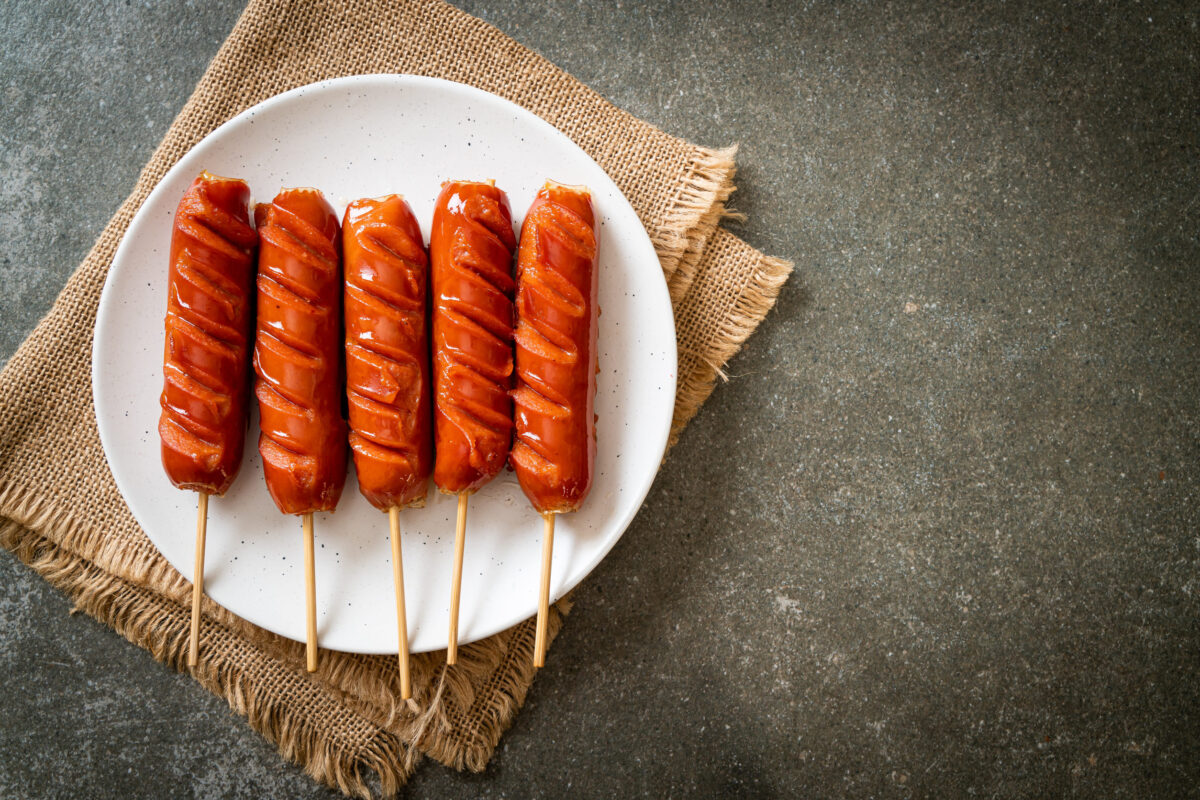
Ball Park has mastered something many brands chase for decades: it feels familiar without feeling old. The name itself carries a built-in image. It sounds like baseball, summer seats, mustard-stained napkins, and a crowd rising when the home team gets a hit.
That matters because shoppers rarely study hot dogs the way they study fine wine. Most people are not standing in the meat aisle for 20 minutes comparing every detail. They want a pack that feels safe. They want something that will grill well, feed a group, and not create complaints at the table.
Ball Park lives in that practical middle. It is not trying too hard to be fancy. It is not only leaning on bargain-bin pricing. It sits in the comfortable lane where millions of households shop, especially when they need dinner fast or a cookout tray that pleases adults and kids alike.
That is why the brand’s lead feels bigger than one sales chart. It shows that the American hot dog is still a food of habit. Once a brand works for a family, that brand often comes back into the cart again and again.
Nostalgia still sells
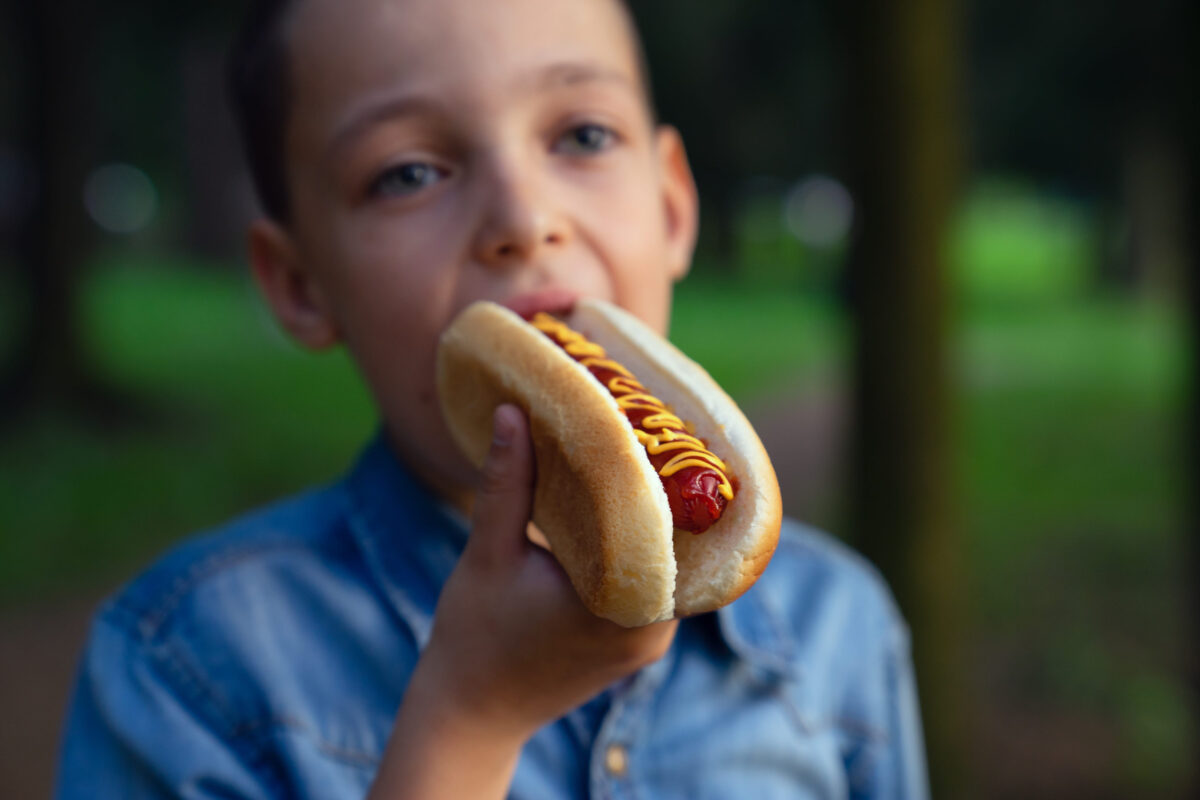
Hot dogs are not just meat in a bun. They are memories wrapped in steam. They remind people of ballgames, block parties, school lunches, Fourth of July plates, camping trips, and late-night snacks after a long day.
Ball Park benefits from that emotional pull because its identity is tied directly to the stadium experience. The brand’s history gives it a story that feels larger than the supermarket shelf. Even shoppers who do not know the details can feel the message in the name.
That kind of branding is powerful because hot dogs are often served during moments people want to remember. A cookout is not just about calories. It is about ease, smell, noise, laughter, and the comfort of food that does not need a speech before serving.
In that setting, the safest brand often becomes the favorite brand. Ball Park does not need to surprise people. It simply needs to deliver the version of a hot dog many Americans already expect.
Price matters more than pride.
The hot dog aisle also tells a story about household budgets. For many families, hot dogs are not a luxury purchase. They are a solution. A pack of franks, buns, chips, and condiments can feed several people without turning dinner into a financial decision.
That is especially important when grocery bills feel heavy. Shoppers may love premium food in theory, but the cart often tells the truth. People still want value. They still want name-brand confidence. They still want something that stretches across meals.
Ball Park’s strength comes from fitting that need. It offers a national brand that feels dependable and widely available. For many shoppers, that is enough.
Premium brands can win taste tests. Regional favorites can win loyalty in specific cities. But mass-market dominance requires a different kind of victory. A brand has to be easy to find, easy to cook, easy to serve, and easy to trust. Ball Park checks those boxes.
Oscar Mayer is still famous, but fame is not enough.
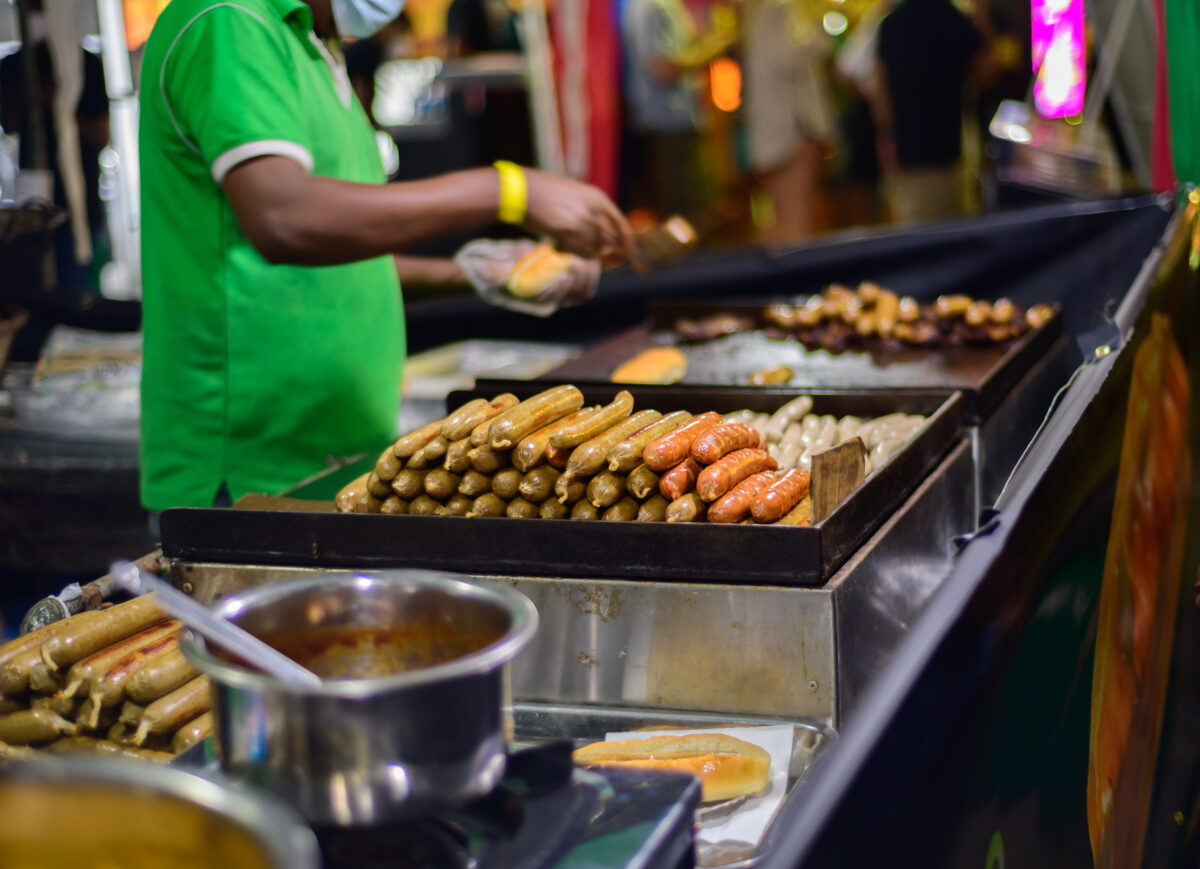
Oscar Mayer remains a giant name in American food culture. Its jingle, Wienermobile, and long grocery presence make it nearly impossible to ignore. Plenty of shoppers still know the brand before they can name three other hot dog makers.
But grocery leadership is not only about recognition. It is about conversion. People may remember Oscar Mayer, but Ball Park appears to be winning more of the actual buying behavior in the refrigerated frankfurter category.
That shift is important. It shows that nostalgia alone does not guarantee the sale. The brand that wins today must connect memory to action. It must make people reach into the cooler and choose it again.
Ball Park seems to have turned the feeling of summer food into a more direct retail advantage. Oscar Mayer may own a piece of American advertising history, but Ball Park owns a powerful piece of the cookout routine.
The toppings debate keeps the category alive.
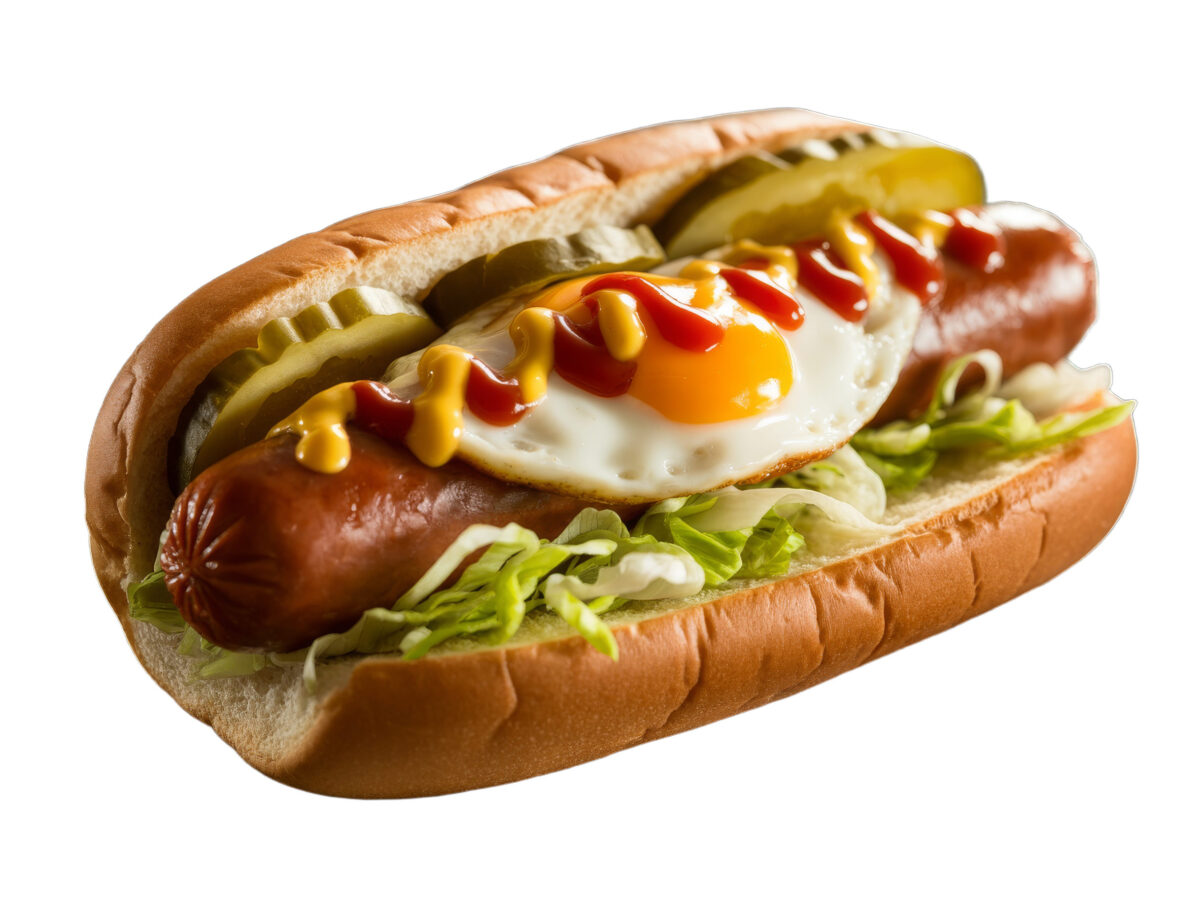
One reason hot dogs remain so popular is that nobody has to agree on how to eat them. That is the magic. A hot dog can be plain for one person and overloaded for another.
In New York, a street-cart dog with mustard and sauerkraut still has its own mythology. In Chicago, the fully loaded dog is almost a civic rulebook. In Detroit, the Coney dog brings chili, onions, and attitude. In the South, slaw dogs have their loyal crowd. In Arizona, the bacon-wrapped Sonoran dog turns the whole thing into a feast.
Ball Park benefits from this flexibility. Its mainstream flavor works as a blank canvas. It can carry chili, cheese, relish, onions, jalapeños, ketchup, mustard, or whatever a family already has in the fridge.
That versatility matters at a cookout. The host does not need every guest to have the same taste. The hot dog only needs to hold up under different toppings and different expectations. A reliable frank becomes the starting point for several different meals.
The health question is still there.
Of course, popularity does not mean shoppers should stop reading labels. Hot dogs are processed foods, and ingredients vary widely across brands and varieties. Some are beef. Some are pork. Some include chicken or turkey. Some are uncured. Some are lower in fat. Some carry higher sodium levels.
That does not mean people must abandon hot dogs. It means the label deserves attention. Families watching salt, fat, preservatives, or allergens should compare packages instead of assuming every frank is the same.
The smarter way to shop is to treat hot dogs like any other grocery staple. Look at the serving size. Check sodium. Compare the price per ounce. Notice whether the package matches the number of buns you plan to buy. Small details can prevent waste and help shoppers make better choices.
Ball Park may be the sales leader, but the best hot dog for one household depends on taste, budget, nutrition needs, and how the food will be served.
What this really says about America
The rise of Ball Park says something honest about American eating. People love choice, but they also love certainty. They may talk about gourmet food, but when it is time to feed a crowd, many still choose the brand that has proven itself.
That is not boring. That is practical. A great grocery brand does not always win because it is the flashiest. It wins because it removes doubt. It gives shoppers confidence before the grill is even hot.
Ball Park’s lead also shows how deeply food and identity are connected. The brand is not just selling franks. It is selling the idea of a simple American moment: a grill smoking, kids running around, someone asking for more mustard, and a paper plate that somehow feels like a holiday.
That is why the hot dog aisle still matters. It is not only a place where brands compete. It is where families make quick decisions about comfort, cost, memory, and ease.
America may never settle the tipping argument. It may never agree on whether ketchup belongs anywhere near a hot dog. But when the checkout data is counted, one thing becomes clear: Ball Park is not just winning the cooler. It is winning the everyday American cookout.