Gas Prices Keep Drivers on Edge as Iran Conflict Pushes Costs Higher
Focus keyphrase: gas prices up today, Iran war
Meta description: U.S. gas prices remain high as the war in Iran disrupts global oil supply, hitting drivers’ wallets and leaving relief fragile across the nation.
Gas Prices Drop Slightly, But Pain Remains
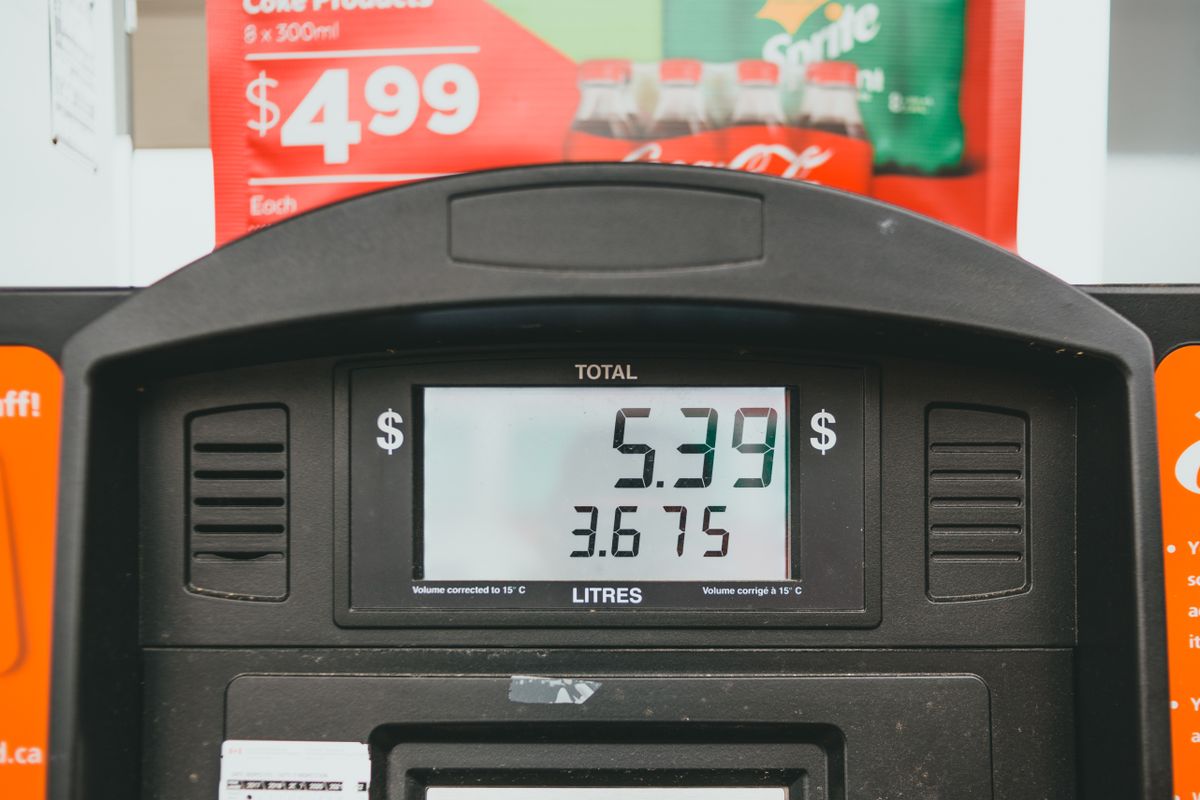
Drivers may notice a minor dip at the pump, but the relief is fragile. Gas prices have pulled back to about $4.13 per gallon after peaking at over $4.50 in May, yet the cost is still far higher than pre-Iran war levels. For commuters, families, and small businesses, these numbers are more than statistics; they’re a direct hit to weekly budgets.
Even with this slight easing, a full tank still stings, and the unpredictability of the Middle East conflict means today’s modest drop could vanish overnight. Americans are learning that fuel price swings can be sudden, sharp, and unavoidable.
How the Iran War Drives U.S. Gas Costs
The connection between the Iran conflict and U.S. gas prices is direct and global. Crude oil flows through the Strait of Hormuz, a critical chokepoint for roughly 20% of the world’s oil supply. Any military tension or disruption there tightens global supply and pushes prices higher, no matter where your local station is located.
Even limited interruptions send ripples through refineries and wholesale markets. Crude prices spike, diesel and gasoline costs climb, and every mile you drive costs more. In short, foreign conflict hits home at the pump.
Diesel and Freight Costs Compound the Pain
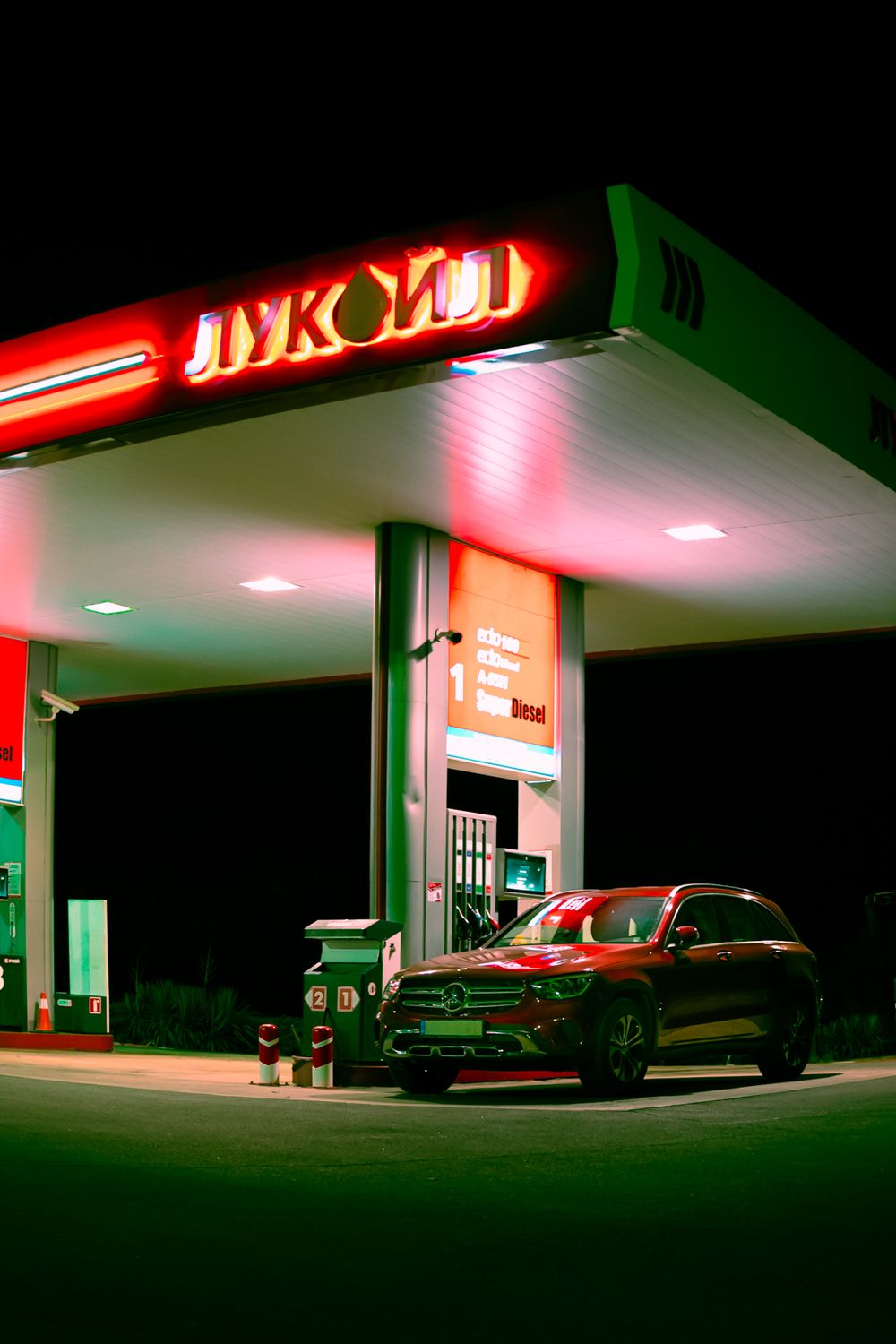
It’s not just gasoline consumers feel. Diesel powers trucks, buses, construction equipment, and delivery vehicles, meaning higher prices are passed through the supply chain. Groceries, furniture, home deliveries, and even airline tickets can see price bumps when fuel costs rise.
For small businesses that rely on transportation, elevated diesel prices cut into already tight margins. Customers may see it indirectly in higher prices for everyday goods and services.
Why Gas Prices Fall Slower Than They Rise
Oil prices can drop, but gas stations rarely pass savings along immediately. Crude must be refined, transported, blended, and distributed before reductions reach pumps. Stations also hold inventory purchased at previous, higher prices.
This lag frustrates drivers, who often watch costs spike overnight but experience a slow, uneven decline over weeks. That delay makes temporary relief feel fleeting and unpredictable.
Regional Differences Make Relief Uneven
Not all Americans feel the pinch equally. California, Hawaii, and other states consistently see higher prices due to taxes, environmental regulations, and regional supply chains. Gulf Coast states often enjoy slightly lower rates thanks to nearby refineries.
Still, a global oil shock affects all regions. Even states with lower average prices can see rapid increases during international tensions, leaving drivers across the country vulnerable to sudden budget strain.
Summer Travel Plans Take a Hit

Rising gas prices are already reshaping summer plans. Families driving to vacation spots may cut dining or entertainment costs. Commuters may rethink side jobs or weekend trips. Road trips, once a staple of summer, now come with a higher price tag.
Travel behaviors are quietly but significantly adapting. Shorter trips, consolidated errands, and alternative routes are becoming the norm as Americans adjust to sustained fuel pressure.
Small Businesses Feel the Squeeze
Small business owners face a tough choice: raise prices and risk losing customers or absorb higher fuel costs and see margins shrink. Service-based businesses, delivery companies, and local tradesmen are particularly exposed.
The result is a hidden economic ripple. Even if consumers do not notice the increase directly at the pump, everyday costs in the community rise as businesses adjust.
Higher Fuel Prices Feed Inflation
Fuel costs influence the wider economy. Rising gasoline and diesel prices affect transportation, shipping, and the cost of goods. Persistent high prices can translate into higher prices across multiple sectors, reinforcing inflationary pressures.
In the long term, households feel it in grocery bills, utilities, transportation, and travel expenses. Fuel shocks extend far beyond the tank.