Remote Workers Are Learning the Hard Way That the Wrong State Can Shrink a Good Paycheck
Remote work once sounded like the ultimate American bargain. Keep the big city job, leave the big city rent, and let the same paycheck breathe somewhere quieter, cheaper, and easier to live in. For millions of workers, that dream still makes sense.
But the remote work map is not as simple as packing a laptop and chasing sunshine. A state can look affordable on paper, then quietly drain money through housing costs, insurance, utilities, taxes, groceries, internet bills, or long drives to basic services. The office may be gone, but the cost of living is still very much in the room.
That is why the best states for remote workers are not always the flashiest places. The winners tend to be practical, steady, and less obsessed with image. The losers often have beautiful views, famous cities, or tax advantages that disappear once real life starts charging monthly fees.
Tennessee Shows Why Smaller Cities Are Winning
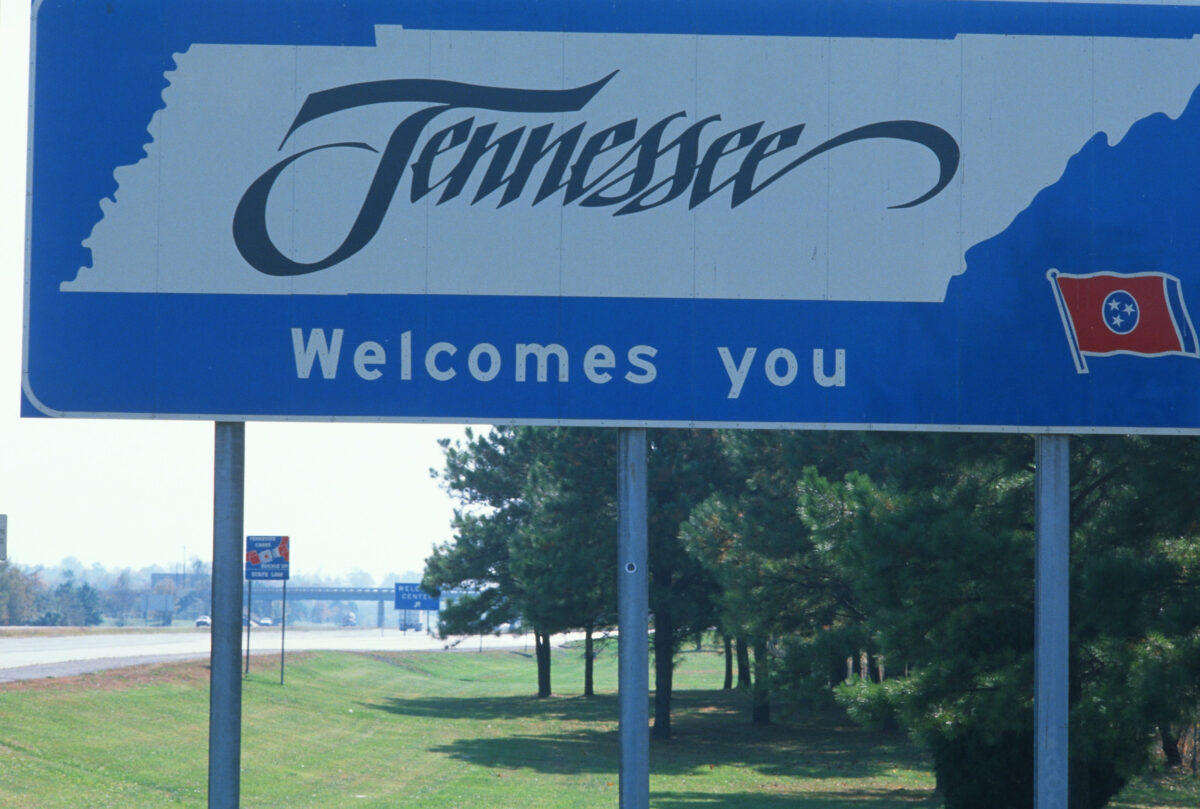
Tennessee keeps showing up in remote work conversations for one simple reason. A salary can stretch farther there than it can in many coastal markets. The absence of state income tax gives workers an immediate advantage, especially for people earning salaries from companies based in more expensive regions.
Cities like Chattanooga and Knoxville offer something remote workers desperately need: enough urban convenience without the financial punishment of a major tech hub. Chattanooga also built a reputation around strong internet access, which matters when a worker’s entire income depends on video calls, cloud tools, and stable uploads.
The warning is that Tennessee is not a secret anymore. As more workers chase affordability, housing demand can rise in the same cities that once felt like bargains. Remote workers moving there should not assume every neighborhood is cheap just because the state has a cheaper reputation.
Texas Still Looks Powerful, But Not Everywhere

Texas remains attractive because it combines no state income tax, job energy, business growth, and many suburban housing options. For remote workers who do not need to live in Austin, Dallas, Houston, or San Antonio’s hottest neighborhoods, the state can still offer more space for the money.
The problem is that Texas affordability depends heavily on location. A small city outside a major metro can feel like a financial win. A trendy neighborhood near Austin can feel like a trap wearing cowboy boots. Property taxes, insurance, toll roads, and cooling bills can also change the math quickly.
Texas is best for remote workers who shop carefully, compare counties, and avoid assuming that a no income tax state automatically means a low cost life. The paycheck may go farther, but only if housing and local expenses do not swallow the advantage first.
North Carolina Offers Balance Without the Coastal Price Tag
North Carolina has become one of the more believable remote work choices because it offers balance. It has mountains, beaches, growing cities, college towns, and smaller communities where daily life can still feel manageable. For workers tired of extreme prices, that mix can be powerful.
Raleigh, Charlotte, Asheville, and the state’s smaller towns each offer different versions of the remote work lifestyle. Some are better for career networking, while others are better for quiet living and lower bills. That flexibility matters because remote workers are not all chasing the same life.
Still, North Carolina is not immune to rising demand. Popular areas have become more expensive, especially where lifestyle, weather, and jobs overlap. The state can be a smart move, but only for workers who understand that affordability is local, not statewide.
Ohio Is the Quiet Winner Many People Ignore
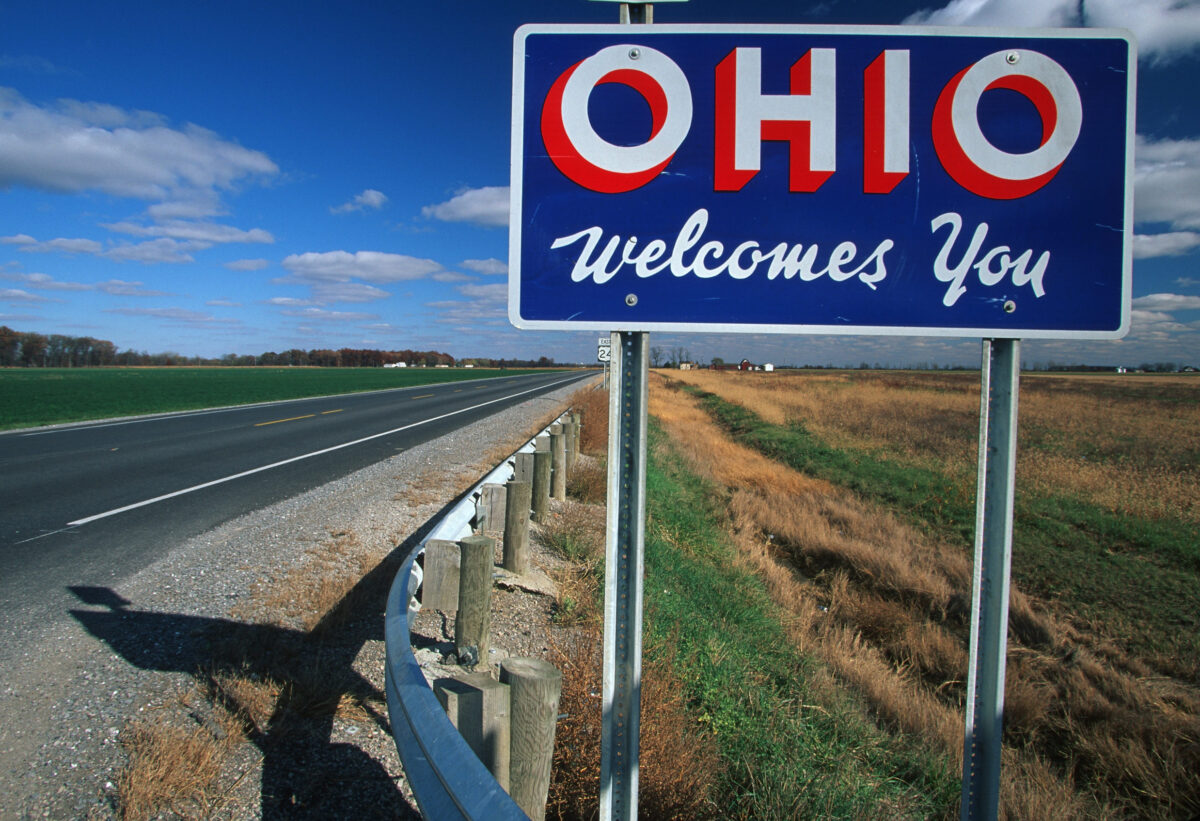
Ohio may not sell the fantasy of palm trees or mountain views, but it has something many remote workers need more: stability. Columbus, Cincinnati, Cleveland, and smaller cities offer lower housing costs than many coastal markets while still providing restaurants, airports, healthcare, and cultural life.
For remote workers who want a normal life instead of a postcard, Ohio can make a paycheck feel larger. Rent and home prices are often more realistic, and the state’s cities provide enough infrastructure for professionals who still need reliable services.
The downside is that some workers may find the weather less exciting and the image less glamorous. But glamour does not pay the electric bill. For people who care more about monthly breathing room than Instagram scenery, Ohio has a serious advantage.
Arkansas, Iowa, Oklahoma, and Alabama Stretch Money Further

Some of the strongest remote work bargains are in states that rarely dominate national lifestyle rankings. Arkansas, Iowa, Oklahoma, and Alabama can offer lower housing costs, slower daily spending, and communities where a middle income salary still has room to move.
These states appeal most to workers who do not need constant nightlife, luxury shopping, or big city status. A remote employee with a stable salary may find that rent, groceries, and home ownership feel less punishing in these markets than in states with heavier demand.
But cheaper does not always mean easier. Workers need to check broadband quality, healthcare access, school options, airport distance, and local job backups. Remote work feels safe until a company changes policy, cuts staff, or demands hybrid attendance.
California Proves a Big Salary Can Still Feel Small
California may still be a dream for weather, culture, food, and career networks, but it is one of the hardest states for remote workers trying to make a dollar go far. Housing costs alone can erase the benefit of a strong salary.
The state is especially difficult for workers who no longer need to be near an office but continue paying near office level costs. Rent, taxes, fuel, insurance, utilities, and daily expenses can make even a comfortable paycheck feel strangely fragile.
California can still make sense for people with deep roots, high incomes, family support, or industry reasons to stay. But for a remote worker whose main goal is financial relief, it is often the opposite of the bargain they are hunting.
Hawaii Is Beautiful, But Beauty Sends the Bill
Hawaii is one of the most tempting remote work fantasies in America. The idea is easy to understand: finish a workday, close the laptop, and walk toward the ocean. But the cost of paradise can be brutal.
Housing, groceries, utilities, transportation, and imported goods all create pressure. Remote workers may save commuting time, but they do not escape the island cost structure. Everyday items can feel expensive because distance and supply chains matter.
For high earners, Hawaii may still be worth the premium. For workers trying to stretch a mainland salary, it can become financially stressful fast. A beautiful view does not soften a monthly budget that keeps getting tighter.
New York and Massachusetts Punish the Unprepared
New York and Massachusetts offer world class culture, education, healthcare, and professional networks. They also demand payment for almost every advantage they provide. For remote workers, that tradeoff can be difficult to justify.
New York City remains one of the most expensive places in the country, but the pressure does not stop at rent. Parking, food, transportation, taxes, childcare, and basic services can push costs higher than expected. Massachusetts, especially around Boston, brings similar pressure through housing and everyday expenses.
These states can be excellent for workers who need access to elite institutions or family networks. But for people who can truly work from anywhere, the question becomes uncomfortable: why pay premium prices for a location your job no longer requires?
Washington, Colorado, Florida, and Oregon Come With Fine Print
Some states look attractive until the hidden costs appear. Washington has no wage income tax, but the Seattle area’s housing costs can make that advantage feel smaller. Colorado offers mountains and lifestyle appeal, but popularity has pushed prices up in many desirable towns.
Florida attracts remote workers with sunshine and no state income tax. Then many newcomers meet rising rents, expensive home insurance, storm risk, and crowded coastal markets. Oregon has natural beauty and a strong lifestyle identity, but housing and utility costs can strain workers who expected an easier financial landing.
These states are not bad choices for everyone. They are risky choices for people who move based on a headline benefit and ignore the full monthly bill.
The Real Remote Work Test Is the Monthly Budget
The remote work revolution changed where people can live, but it did not cancel math. A good state for remote workers needs affordable housing, reliable internet, reasonable taxes, manageable insurance, safe communities, healthcare access, and enough local services to support daily life.
That is why states like Tennessee, Texas, North Carolina, Ohio, Arkansas, Iowa, Oklahoma, and Alabama can look strong for workers who want their money to last. It is also why California, Hawaii, New York, Massachusetts, Washington, Colorado, Florida, and Oregon can disappoint people who chase lifestyle before doing the numbers.
The biggest mistake remote workers make is treating relocation like a vacation decision. The better question is not where life looks best for one week. It is where the same paycheck still feels strong after rent, taxes, utilities, groceries, insurance, and reality have all taken their cut.