10 Prison Jobs Nobody Wants
Prison is often imagined as a place of locked doors, iron bunks, strict schedules, and long hours of waiting. But behind the walls, daily life does not run on its own. Food still has to be cooked, floors still have to be scrubbed, laundry still has to be moved, trash still has to be hauled, and the rough machinery of confinement still needs human hands to keep turning.
That is where prison jobs come in. Some are simple. Some are repetitive. Some offer a tiny sense of structure in a place where freedom has been taken away. But others are the kind of jobs almost nobody wants, because they are dirty, exhausting, thankless, uncomfortable, or emotionally draining.
These are not glamorous assignments. They are the jobs that happen before breakfast, after lockdown, in extreme heat, around bad smells, under hard supervision, and often for very little reward. They may not make headlines, but inside many facilities, they are the jobs people quietly hope they never get.
Kitchen Dish Tank Worker
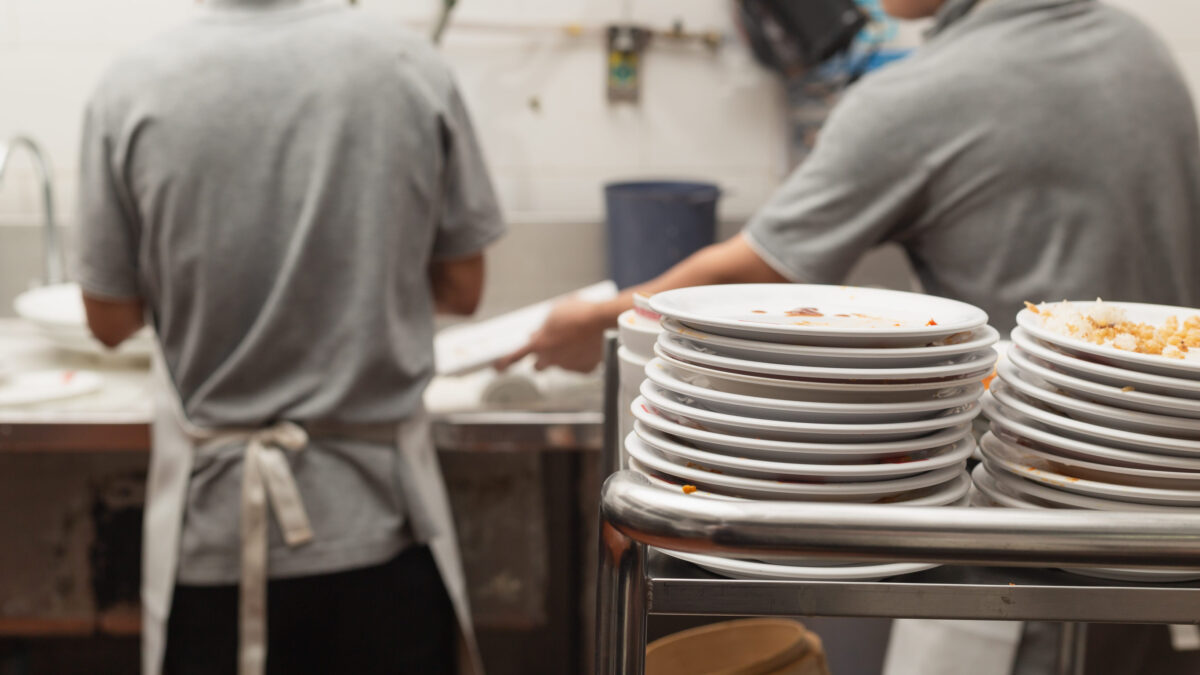
The prison kitchen may feed hundreds or even thousands of people every day, and someone has to handle the mountain of dirty trays, cups, pans, and utensils left behind. The dish tank is hot, wet, loud, and relentless. Steam hangs in the air, old food sticks to every surface, and the pace rarely slows down.
Many people dislike this job because it combines bad smells with constant pressure. A worker may spend hours scraping trays, washing large pots, and handling leftovers from meals nobody wanted in the first place. It is not just tiring. It is messy in a way that follows a person back to the unit.
The worst part is that the job never feels finished. As soon as one stack is washed, another appears. In a place where respect can be hard to find, the dish tank can feel like the lowest rung of an already harsh ladder.
Laundry Room Sorter
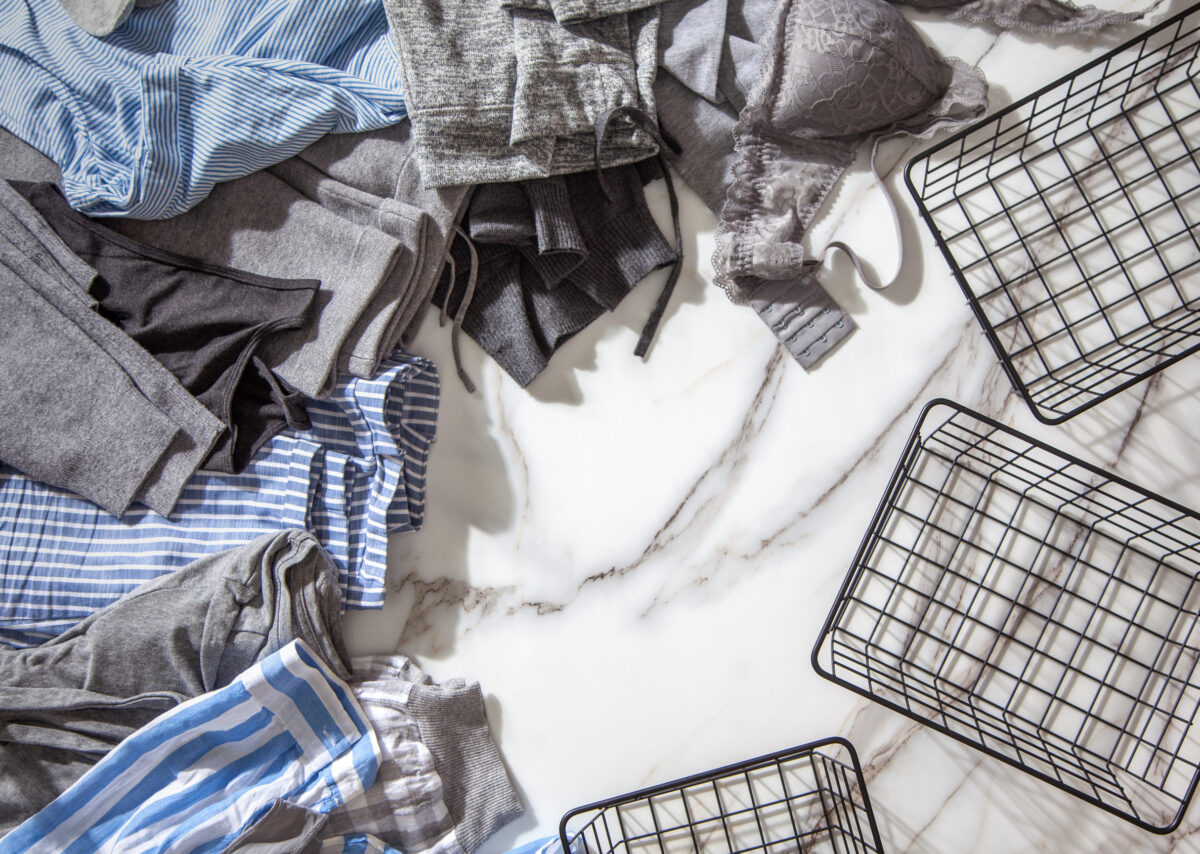
Prison laundry is not like washing clothes at home. It can mean sorting uniforms, sheets, towels, socks, and underwear from entire housing units. The smell alone can make the job miserable, especially when bags arrive damp, packed tight, and long overdue for washing.
The sorter often has to touch items nobody wants to touch. There may be sweat, stains, dirt, and mystery fluids mixed into the pile. Gloves may help, but they do not remove the feeling that every bag might contain something unpleasant.
This job also carries pressure because people care deeply about their clothing and bedding. If something gets lost, damaged, or sent to the wrong unit, anger can follow. The laundry worker gets blamed for problems they may not have caused.
Bathroom Detail Worker
Cleaning bathrooms in prison is one of the most unwanted jobs because the conditions can be brutal. Shared toilets, sinks, showers, drains, and floors are subject to heavy daily use. In overcrowded areas, the mess builds fast, and the person assigned to clean it walks into a job nobody else wants to see.
The work can include scrubbing toilets, removing hair from shower drains, mopping flooded floors, and wiping down surfaces that never seem to stay clean. Strong chemicals may fill the air, yet the smell underneath can still linger.
It is also a job with little thanks. When bathrooms are clean, people expect it. When they are dirty, people complain. The person doing the work is often invisible until something goes wrong.
Trash Crew Worker
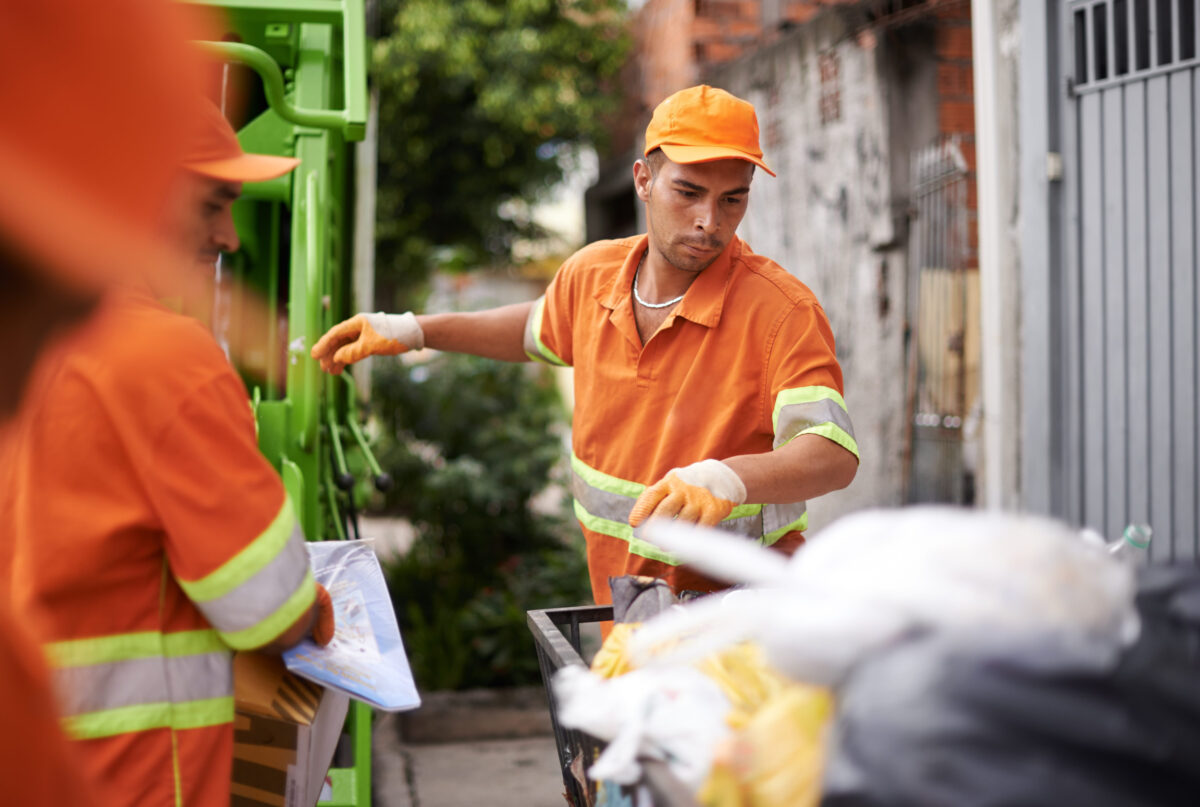
Trash detail sounds simple until the bags split, the carts overflow, or the summer heat turns every barrel into a sour cloud. Prison trash can include food waste, broken items, paper, packaging, and whatever people try to throw away before anyone notices.
Workers may have to move heavy bags over long distances, load dumpsters, clean up spills, and deal with leaks that soak through clothing. It is physical work, and it can be disgusting before the day has even started.
The trash crew also works in areas other people avoid. Dumpsters attract insects, rodents, and smells that sit in the air like punishment. It is the kind of assignment that makes a person count the minutes until the shift ends.
Porter on a Bad Unit
A porter is often responsible for cleaning a housing unit, but the job changes depending on the unit. On a calm unit, it may be manageable. On a tense, crowded, or dirty unit, the job can become one of the most stressful in the facility.
The porter may sweep, mop, remove trash, clean common areas, wipe tables, and respond to messes throughout the day. The problem is that everyone sees the porter, and everyone has an opinion. Some people want favors. Some complain. Some treat the porter like a servant.
This job can also put a worker in the middle of unit politics. Cleaning around people who are angry, bored, or looking for conflict is not easy. The work is simple on paper, but the environment can make it exhausting.
Sewer or Drain Cleanup Crew
Few prison jobs sound worse than working around backed-up drains, clogged toilets, and sewage problems. When plumbing fails inside a facility, the mess cannot simply be ignored. Someone has to help clean it, clear it, or assist maintenance staff.
This job can involve foul water, soaked floors, protective gear that never feels protective enough, and smells that stay in the nose long after the work ends. It is dirty in a way that feels personal. People may joke about it, but almost nobody wants to be the one doing it.
There is also a health concern. Even when safety steps are in place, the job still feels risky because the worker is dealing with waste, bacteria, and unpredictable messes. It is one of those assignments that can ruin an entire day with a single call.
Grounds Crew in Extreme Weather
Grounds crew may sound peaceful from the outside. Fresh air, open space, and outdoor movement can seem better than being trapped indoors. But in harsh weather, this job quickly loses its appeal.
Workers may cut grass, pull weeds, shovel snow, move equipment, clean outdoor areas, or work under the sun for hours. In hot weather, the heat can feel punishing. In cold weather, fingers go numb, clothing gets damp, and every task feels twice as hard.
The job is often physically demanding and closely watched. There may be little shade, limited breaks, and no choice about the weather. For some, being outside is a relief. For others, it feels like punishment with a rake in hand.
Food Service Line Worker
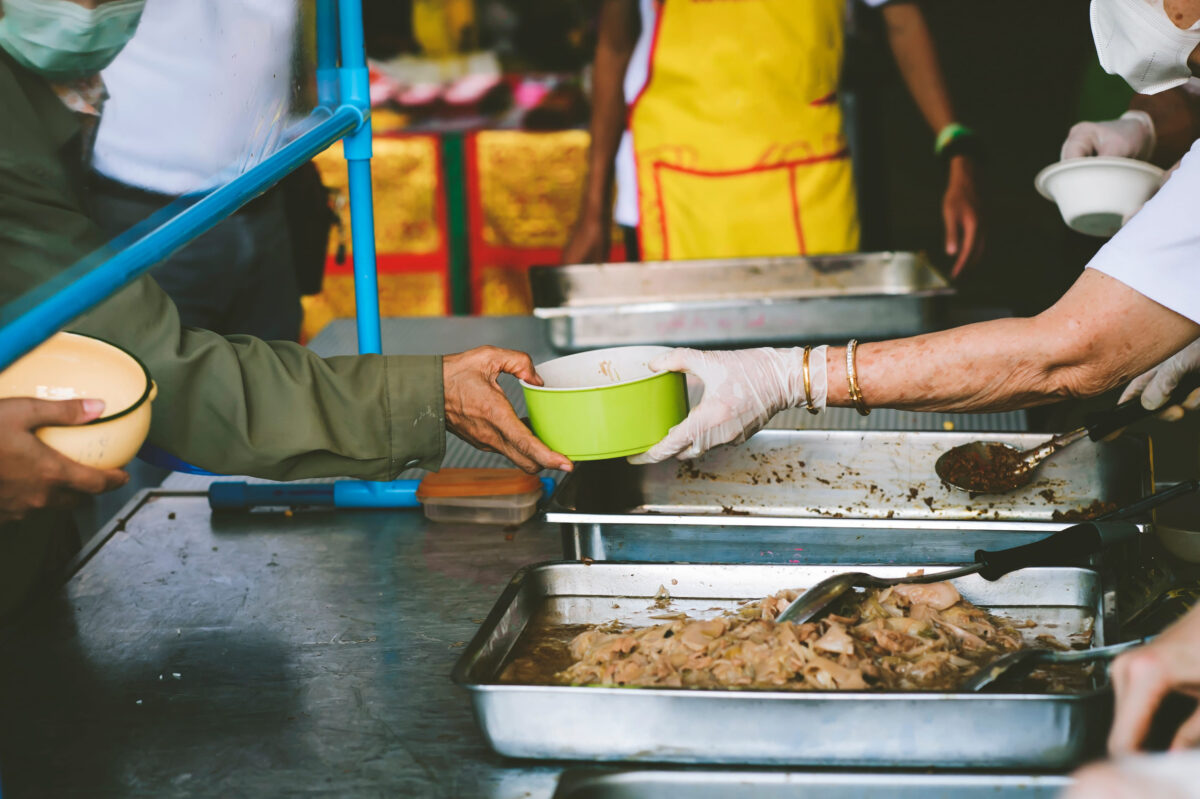
Serving food in prison can be more stressful than people think. The line worker is face-to-face with hungry people who may be tired, angry, disappointed, or convinced they were shorted. A small mistake can turn into a loud argument fast.
The job requires speed and consistency. Portions must be controlled, trays must keep moving, and workers must follow instructions while people complain from the other side of the line. It can feel like standing in front of a crowd that is waiting for a reason to be upset.
It is also hot and repetitive. The same motions happen over and over, meal after meal. By the end of a shift, the worker may smell like steam, grease, and frustration.
Mattress and Bedding Cleaner
Mattresses and bedding take a beating in prison. They are used every night, moved between people, stored in tight spaces, and sometimes returned in terrible condition. Cleaning them is not a job many people volunteer to do with excitement.
A worker may have to wipe down plastic-covered mattresses, inspect bedding, move heavy stacks, and deal with stains or odors that tell their own story. It is physical work with an unpleasant edge. Every item has passed through someone else’s life, and not always cleanly.
The job can feel uncomfortable because bedding is personal. When it is dirty, damaged, or smelly, nobody wants to be near it. The cleaner has no such luxury. They have to handle what everyone else avoids.
Medical Cleaning Detail
Cleaning near medical areas can be especially unwanted because the work carries a different kind of discomfort. It is not just dirt or food waste. It can involve exam rooms, waiting areas, sick call spaces, and places where people may be bleeding, coughing, vomiting, or visibly unwell.
The worker may not handle medical duties, but the setting itself can be stressful. There is a constant reminder of illness, pain, and vulnerability. Some people find that harder than regular cleaning because the mess feels connected to fear.
This job also requires careful attention. Surfaces must be cleaned properly, and mistakes matter. In a prison, where tension already sits heavy in the air, medical cleaning can feel like carrying a responsibility nobody sees, but everyone depends on.