Bronx Father of Seven Killed on NYC Bus After Asking Passenger to Lower His Voice
A regular bus ride in the Bronx turned into a nightmare that now has a family asking how something so ordinary could end in death. Jonathan Pettigrew, a 41-year-old father of seven, was riding a BX36 bus when a dispute over a loud phone call suddenly became violent. Police and local reports say he had asked another passenger to stop yelling or talking loudly on his cellphone.
Moments later, Pettigrew was shot in the abdomen. The father, worker, and daily presence in his youngest daughter’s life were rushed to Jacobi Hospital, where he was pronounced dead. Now, what began as a small public disagreement has become another painful New York City story about transit safety, gun violence, and how quickly a simple moment can spiral beyond control.
A Small Request Became a Fatal Encounter

The shooting happened near White Plains Road and East Tremont Avenue in the Bronx, on a BX36 bus that should have been carrying people through another ordinary Monday. Instead, passengers reportedly fled in panic after gunfire erupted. Surveillance video, described by local outlets, showed riders rushing off the bus, with one report noting that the chaos included at least one person with a baby stroller.
Police say Pettigrew had been arguing with another rider over the person’s loud phone conversation. In a city where millions share public space every day, that kind of tension is not unusual. People sigh, glare, move seats, or say something under their breath. Most of the time, the moment passes.
This time, police say, it did not. The other passenger allegedly pulled a gun and shot Pettigrew before fleeing. The suspect was described in reports as a young male or teen. News 12 reported that police sources were looking for a 15-year-old boy, while other outlets said investigators were still searching and no arrest had been announced.
The Man Behind the Headline
Behind the crime scene tape was a man whose life was larger than the violent moment that took him. Jonathan Pettigrew was described by his family as funny, into sports, and not someone tied to street life. His brother, Avery Pettigrew, said Jonathan was a good person who loved his children and was trying to build something stable.
That detail matters because stories like this can become cold very quickly. A bus number. A street corner. A police description. A hospital name. But Pettigrew was not just a victim in a transit shooting. He was a father of seven, and his family said he had recently been trying to build a steadier life for himself and his youngest daughter.
Reports say he was on his way to pick up his daughter when he was shot. Family members said he had full custody of the 7-year-old and walked her to and from school. For a child, that kind of routine is everything. It is how love becomes visible. It is how safety feels real.
A Family Left With Anger and Questions
The pain in Pettigrew’s family is now public, but grief like this is still deeply private. His brother Avery said he struggled to believe the news when he was told Jonathan was dead. Another relative described receiving the call and breaking down, unable to process how quickly the family’s life had changed.
The youngest daughter, according to relatives, may not fully understand yet that her father is gone. That may be the most devastating piece of this story. Adults can describe what happened. Police can investigate. Reporters can write the details. But a little girl is left waiting for a father who once showed up for her every day.
The family’s demand is simple: justice. They want the person responsible found and held accountable. They also want answers about how someone could bring a gun onto a bus and turn a public argument into a killing in front of other passengers.
Why This Hit New Yorkers So Hard
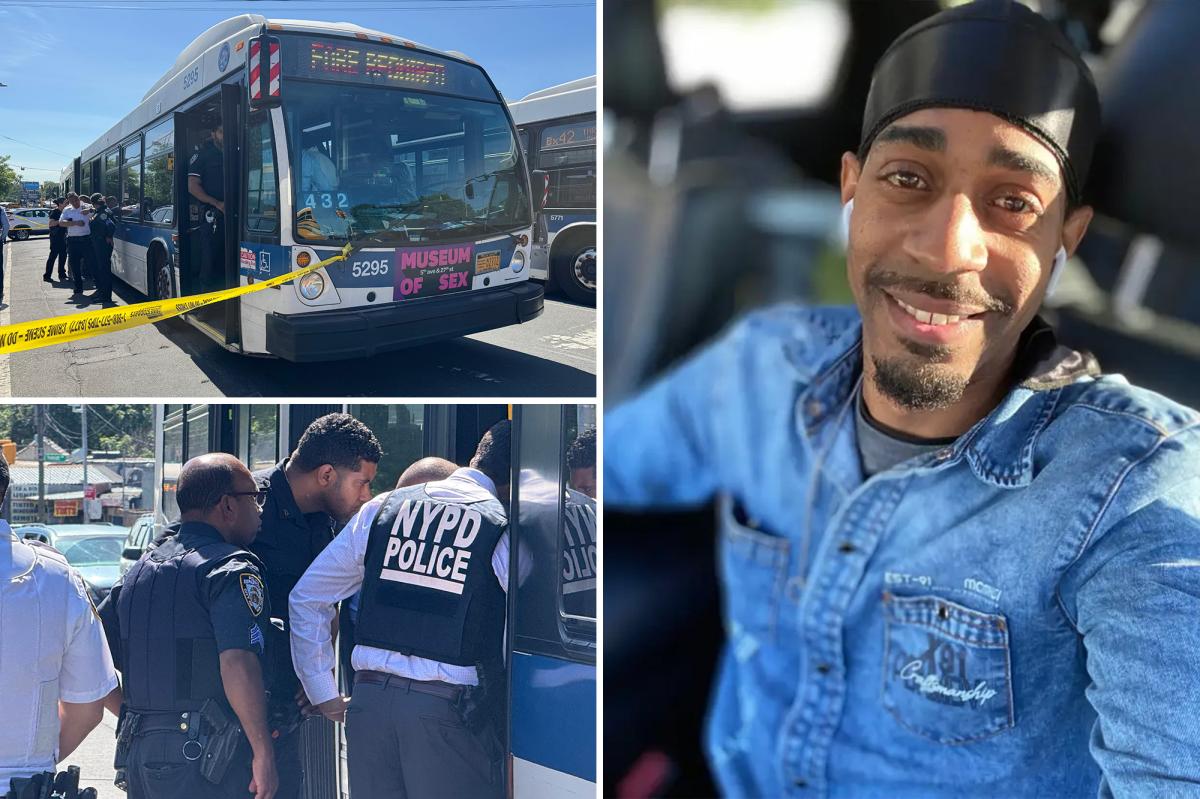
Public transit is supposed to be the great equalizer in New York City. Students, nurses, restaurant workers, parents, retirees, and office workers all use the same buses and trains. On any given ride, strangers share the same cramped space, the same delays, and the same small frustrations.
That is why this shooting feels so unsettling. The reported trigger was not a robbery. It was not a long-running feud. It was not something that began in private and spilled into public view. It was a brief argument over noise on a city bus.
For many New Yorkers, that is what makes the story terrifying. It suggests that even a normal request, the kind people make every day in shared spaces, can carry risks when someone is armed and ready to escalate. It also raises a painful question: how should ordinary riders respond when someone is behaving aggressively, loudly, or disrespectfully?
There is no easy answer. People should not have to stay silent out of fear. At the same time, many riders now feel forced to calculate danger before speaking up. That is a heavy burden for a city built on shared movement.
Transit Safety and the Bigger Picture
The shooting comes at a complicated time for New York City’s public safety conversation. The NYPD recently reported declines in major crime citywide and said transit crime had also fallen in May. Those numbers matter, and they show that the broader picture is not always the same as public fear.
But individual tragedies can shape how people feel just as strongly as statistics. One fatal shooting on a bus can make parents rethink a route, make workers look over their shoulders, and make riders wonder whether help would arrive quickly enough if something went wrong.
That gap between data and daily fear is difficult for city leaders to close. A report can say crime is down, but a family still lost a father. A police strategy can show progress, but a child still has to grow up with an empty chair at home. For New Yorkers, safety is not only measured by charts. It is measured by whether they feel they can ride home without becoming part of the next headline.
The Search for the Suspect Continues
At the time of the latest reports, police were still searching for the suspect. CBS New York reported that the NYPD said a man in a white T-shirt fled south on White Plains Road after the shooting. Investigators have asked anyone with information to contact Crime Stoppers.
Cases like this often depend on video, witness accounts, and tips from people who were nearby. The bus, the surrounding streets, nearby businesses, and transit cameras may all become important pieces of the investigation. For Pettigrew’s family, every hour without an arrest can feel like another wound.
Still, the search is only one part of the story. The deeper wound is what happened in the first place. A father got on a bus. He objected to a loud phone call. He never made it home to the daughter he was reportedly going to pick up.