The Summer AC Bill Shock Is Here, Americans Brace for a Costly Summer
We are entering another expensive summer, and the cost of staying cool is no longer a small seasonal inconvenience. For millions of households, the air conditioner has become a second rent payment, a grocery competitor, and a monthly reminder that comfort now comes with a sharper price tag.
The pressure is building from two directions at once. Electricity prices are rising, while hotter weather is forcing families to run cooling systems longer and more often. That combination turns summer utility bills into one of the most painful expenses in the household budget.
The latest national projection shows the average U.S. household could spend close to $792 on electricity from June through September, up from about $717 last year. That increase may not sound dramatic on paper, but for families already stretched by housing, groceries, gas, insurance, childcare, and debt payments, another jump in the electric bill can break the budget.
We should stop treating air conditioning as a luxury issue. In much of the country, cooling is now a basic safety need. When temperatures climb into dangerous territory, families are not simply choosing comfort. They are trying to protect children, older relatives, pets, people with medical conditions, and workers who return home from long shifts needing a livable room.
The Real Reason Cooling Bills Are Rising So Fast
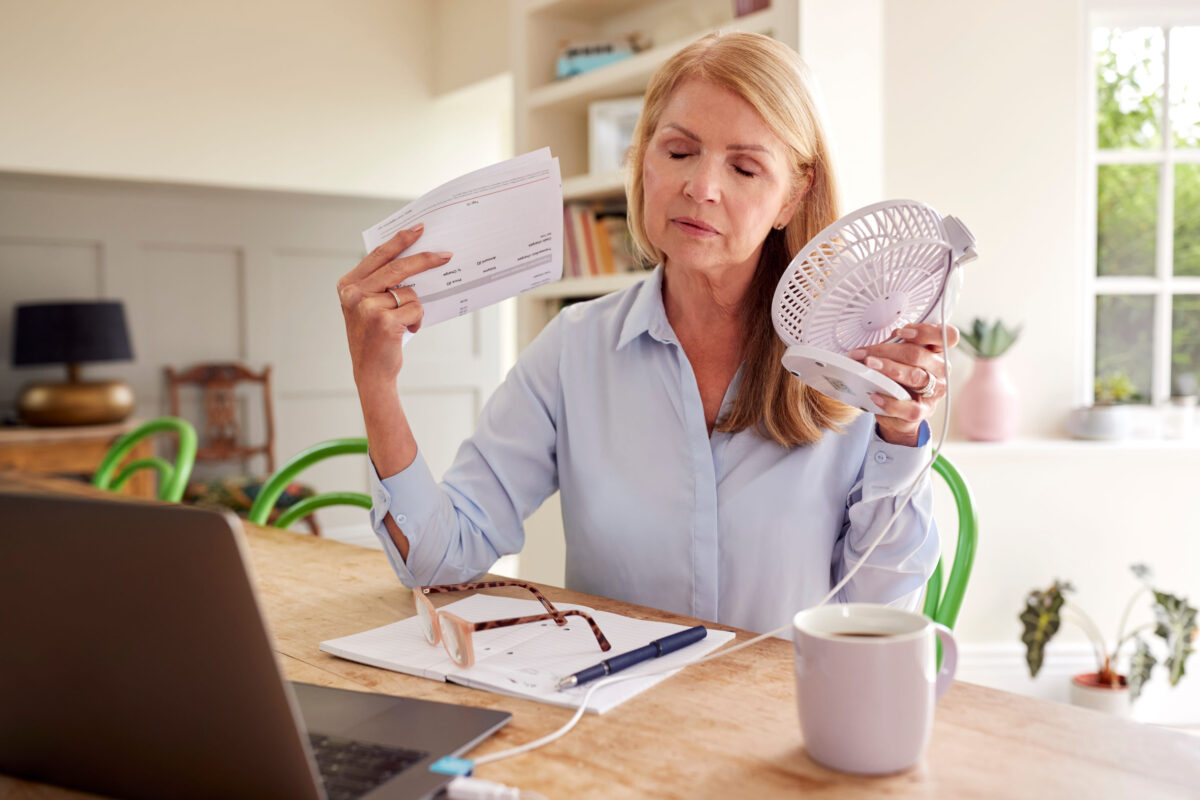
The summer bill problem is not just about people lowering the thermostat too much. It is about a more expensive energy system colliding with a hotter climate and older housing stock.
Electricity rates have risen in many regions as utilities face higher fuel costs, grid upgrades, infrastructure repairs, storm hardening, and growing demand. At the same time, hotter summers increase cooling-degree days, which means homes need more electricity just to maintain the same indoor temperature people expected a few years ago.
This is why many households feel punished even when they are trying to conserve. A family can raise the thermostat, close the blinds, use fans, and still see a larger bill if the outdoor heat is stronger and the price per kilowatt-hour is higher.
We also have to consider the condition of American homes. Many apartments and older houses leak cooled air through poorly sealed windows, thin attic insulation, aging ductwork, gaps under doors, and outdated air conditioning units. When a home cannot hold cool air, the AC runs longer, the meter spins faster, and the family pays more for less comfort.
Why the 2026 Summer Electric Bill Feels Different
This summer feels different because the increase in the bill is landing at a time when many households have already used up their financial cushion. The air conditioning bill is not hitting an empty calendar. It is arriving with higher rent, higher insurance premiums, higher food prices, higher car costs, and higher credit card balances.
For working families, this creates a painful monthly tradeoff. We are seeing people choose between paying the utility bill, buying enough groceries, filling the gas tank, keeping medication current, or covering back-to-school costs. The summer power bill becomes one more expense that cannot be delayed without consequences.
The national average also hides the regional pain. In hotter states, especially across the South and parts of the West, air conditioning is not something people use occasionally. It runs for months. In those homes, even a modest rate increase can translate into a major dollar amount because the household is already using a large amount of electricity.
This is where the budget math gets harsh. A household that paid $250 or $300 in a hot month can suddenly see its bills rise to $400, $500, or more, especially in larger homes, poorly insulated rentals, or areas with high electricity rates. For renters, the problem can feel especially unfair because they often cannot replace windows, upgrade insulation, or install a more efficient HVAC system.
The Hidden Inequality Behind Summer Cooling Costs

Cooling costs do not hit every household equally. Wealthier families may complain about higher bills, but they usually have more options. They can install smart thermostats, replace old AC units, add attic insulation, pay for duct sealing, upgrade windows, or add rooftop solar where it makes financial sense.
Lower-income and moderate-income households often have fewer choices. They may live in older rental units with inefficient cooling systems. They may use window units that work hard but cool unevenly. They may avoid turning on the AC until the home becomes dangerously hot. They may also delay payment and hope the next paycheck arrives before a shutoff notice turns into a disconnection.
This is why summer electricity costs have become an energy justice issue. The household with the least money often pays more for each degree of comfort because the home is less efficient, the appliances are older, and the ability to make long-term upgrades is limited.
We should also pay attention to middle-income households that do not qualify for enough assistance but still cannot comfortably absorb the bill. These families may earn too much for certain programs but not enough to handle repeated summer spikes. They are not poor on paper, but they are financially fragile in real life.
Utility Shutoffs Make Extreme Heat More Dangerous
A high bill is stressful. A shutoff during summer heat can be dangerous. Electricity powers more than lights and phone chargers. It powers air conditioners, fans, refrigerators, medical devices, internet connections, and the basic ability to stay indoors safely during a heat wave. When service is disconnected, a household can quickly move from financial hardship to a health emergency.
The danger is greater for older adults, infants, people with heart or respiratory conditions, people taking certain medications, and anyone living in a home that traps heat. Once indoor temperatures rise, opening windows may not help if the outside air is hot, humid, or polluted.
This is one of the major gaps in consumer protection. Many states have stronger winter shutoff protections because losing heat in freezing weather is widely understood as life-threatening. Summer protections are often weaker, narrower, or activated only under specific emergency conditions. But extreme heat can be just as deadly, especially when high humidity prevents the body from cooling itself efficiently.
Why Turning Off the AC Is Not Always the Smart Move

Many households try to save money by turning the air conditioner off completely when they leave home. The idea makes sense at first. If nobody is inside, why pay to cool an empty space?
The problem is that homes can heat up quickly, especially apartments under direct sun, top-floor units, mobile homes, and older houses with poor insulation. When people return, the AC has to work hard for a long time to pull the indoor temperature back down. That can create discomfort, strain the system, and sometimes reduce the expected savings.
A better approach is usually a controlled adjustment. We can set the thermostat higher when away, close curtains or blinds to block direct sunlight, use ceiling fans when rooms are occupied, and avoid letting the home become dangerously hot. The goal is not to freeze the house. The goal is to prevent the AC from fighting a losing battle all day.
Households with programmable or smart thermostats have an advantage because they can set cooling schedules around work, school, sleep, and peak heat hours. But even without smart technology, a basic thermostat strategy can help reduce waste.