Judge Blocks Trump Era National Park History Changes as Battle Over America’s Story Deepens
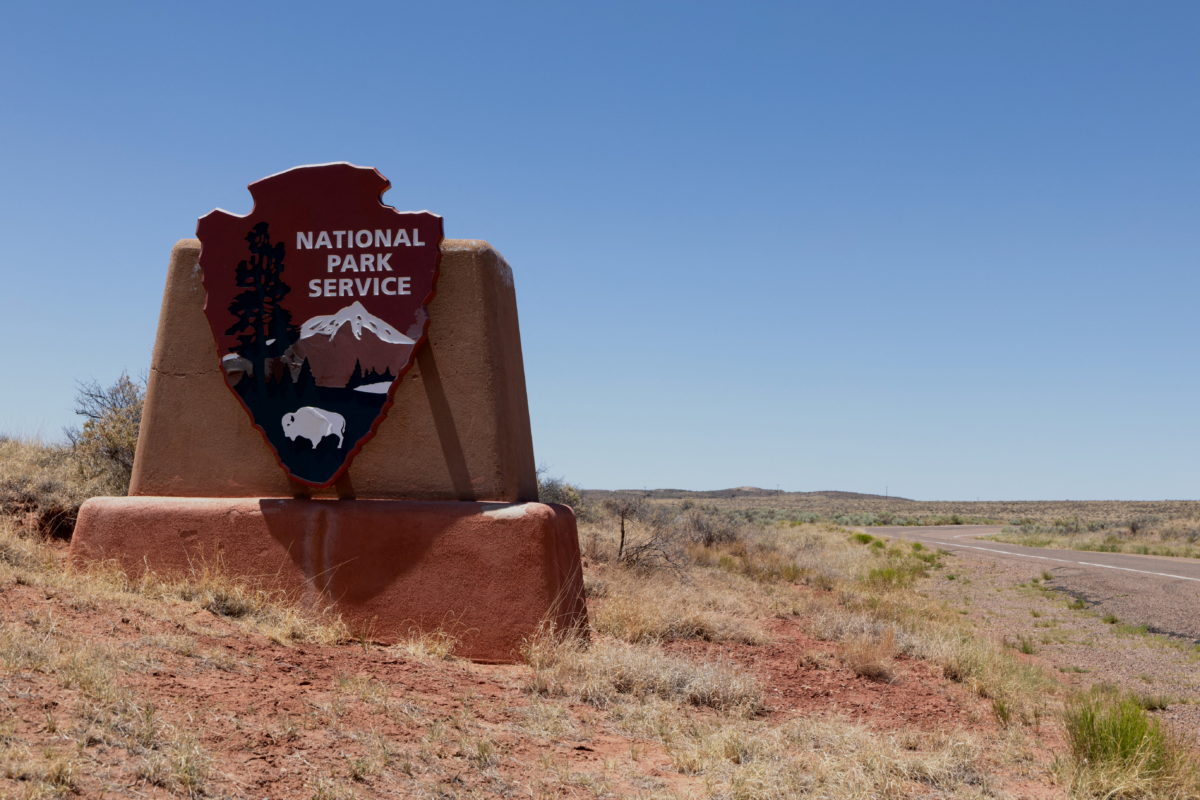
A quiet walk through a park turns into a national debate.
The fight over National Park Service history changes has now moved from policy offices into courtrooms, and the impact may soon reach the trails, museums, and visitor centers Americans see every day. What began as an executive push to reshape how federal parks present U.S. history has now been halted by a federal judge, raising deeper questions about who gets to define America’s story. For many visitors, the change is not abstract. It is about what they read on a plaque, what they learn from an exhibit, and what version of history is presented as truth.
At the center of the ruling is a conflict that goes beyond politics. It is about whether public history should prioritize national pride, historical accuracy, or a balance of both. That tension is now playing out in real time across one of the most visited public systems in the United States.
How the history of the National Park began
The dispute traces back to a 2025 executive order that directed federal agencies, including the Department of the Interior, to review how history is presented in public institutions. The policy argued that some federal exhibits and materials placed too much emphasis on negative interpretations of American history, including references to slavery, racial injustice, Indigenous displacement, and climate concerns.
Under the implementation plan, the National Park Service was instructed to evaluate interpretive materials such as signs, plaques, and exhibits. Reports from major outlets, including the Associated Press and the Washington Post, indicate that some materials were flagged for revision or removal across multiple parks, including references to slavery at Independence National Historical Park and to civil rights and labor history themes in other locations.
Supporters of the policy said it aimed to restore balance and focus on unity and national achievement. Critics argued it risked sanitizing complex historical realities that define many park sites.
Inside the courtroom, a ruling that stopped the changes

The legal turning point came when a federal judge issued a preliminary injunction blocking further changes and ordering restoration of materials already altered. According to court documents reported by CBS News and Reuters, the judge found that the administration likely exceeded its authority under federal law governing the National Park Service.
The ruling referenced several key legal frameworks, including the National Park Service Organic Act and the Administrative Procedure Act. These laws require federal agencies to preserve historical integrity and follow proper procedures when making policy changes.
The court also raised concerns that the removals may have been carried out without sufficient public process or legal justification. In practical terms, the ruling means that any altered or removed interpretive materials must be restored while the case continues through the courts.
What visitors may actually notice in parks?
For most Americans planning summer visits, the most immediate question is simple: what will actually change on the ground?
If the ruling is enforced as written, park exhibits and interpretive signs that were altered under the policy could be restored. That includes historical narratives related to slavery, Indigenous history, environmental science, and civil rights topics that are commonly part of National Park Service education programs.
However, changes will not happen overnight. The Department of the Interior is required to submit compliance updates, and any restoration process will depend on administrative execution at the park level. This means some parks may see visible updates sooner than others, while some materials may already remain unchanged if they were never fully removed.
For visitors, the experience may feel uneven. One park could reflect restored interpretive content, while another could still show revised versions depending on implementation timelines.
A deeper cultural divide over American memory
Beyond legal arguments, the case reflects a growing cultural divide over how American history should be presented in public spaces. One side of the debate argues that national parks should emphasize unity, achievement, and inspiration. The other side insists that historical honesty requires acknowledging difficult chapters, including slavery, the displacement of Indigenous communities, and systemic inequality.
The judge’s ruling does not settle that debate. Instead, it reinforces a legal boundary. Federal agencies cannot reshape historical interpretation in ways that conflict with governing statutes or bypass required procedures.
This distinction matters because it shifts the conversation from ideology to governance. It asks not only what history should say, but who has legal authority to decide how it is presented.
The legal system draws a line on executive power.
At the heart of the ruling is a broader question about executive authority. The court’s reasoning, as reported in public filings, suggests that agencies must follow established legal processes when making changes to educational or interpretive materials.
The Administrative Procedure Act plays a central role here. It requires federal agencies to act transparently, justify decisions, and allow for public input when changing policies that affect public programs. In this case, the court found that the process used to alter National Park Service materials likely did not meet those standards.
This sets a precedent that could affect how future administrations approach changes to federally managed historical and educational content.
What happens next in the ongoing legal battle
The ruling is not the final word. It is a preliminary injunction, meaning the case is still active and could move through appeals. The Department of the Interior may challenge the decision, potentially sending the issue to higher courts.
In the meantime, compliance reporting requirements will force the government to document what has been restored and when. This creates a public record of how the ruling is being implemented, adding transparency to an already high-profile dispute.
The timeline also matters. With America approaching its 250th anniversary, national identity narratives are under heightened attention. That makes the outcome of this case particularly significant for how history is presented during major public commemorations.

What readers should watch next?
The most important developments will not be in headlines but in park updates. Visitors should watch for restored signage, updated exhibits, and any official statements from the National Park Service about interpretive changes.
Another key factor will be whether the government appeals and whether higher courts narrow or expand the ruling. That could determine whether changes remain temporary or become a longer-term precedent.
Finally, public response will continue to shape the conversation. National parks are among the most trusted public institutions in the country, and any perceived change in historical storytelling is likely to spark strong reactions.
At its core, the National Park Service history changes debate is not only about policy or politics. It is about memory. Every plaque, exhibit, and visitor center display helps define how millions of people understand the American story.
This ruling forces a difficult question into public view. Should national history be curated for inspiration, for honesty, or for both at the same time? The answer will shape not just what visitors see in parks today but also how future generations learn about the country’s past.