World Cup Tensions Rise as President Trump’s USMCA Threat Sparks Trade Uncertainty Across North America
Just as fans around the world tuned in for the kickoff of the 2026 FIFA World Cup, a political flashpoint erupted that could ripple far beyond the stadiums. President Donald Trump has suggested the United States may not renew the USMCA trade agreement with Mexico and Canada, raising concerns among businesses, policymakers, and trade experts about what comes next for one of the world’s largest economic partnerships.
While no criminal allegations or court proceedings are involved, the potential policy shift carries significant legal and regulatory consequences because USMCA governs trillions of dollars in cross-border trade and sets binding rules for disputes, tariffs, and supply chains across North America.
What happened at the Oval Office
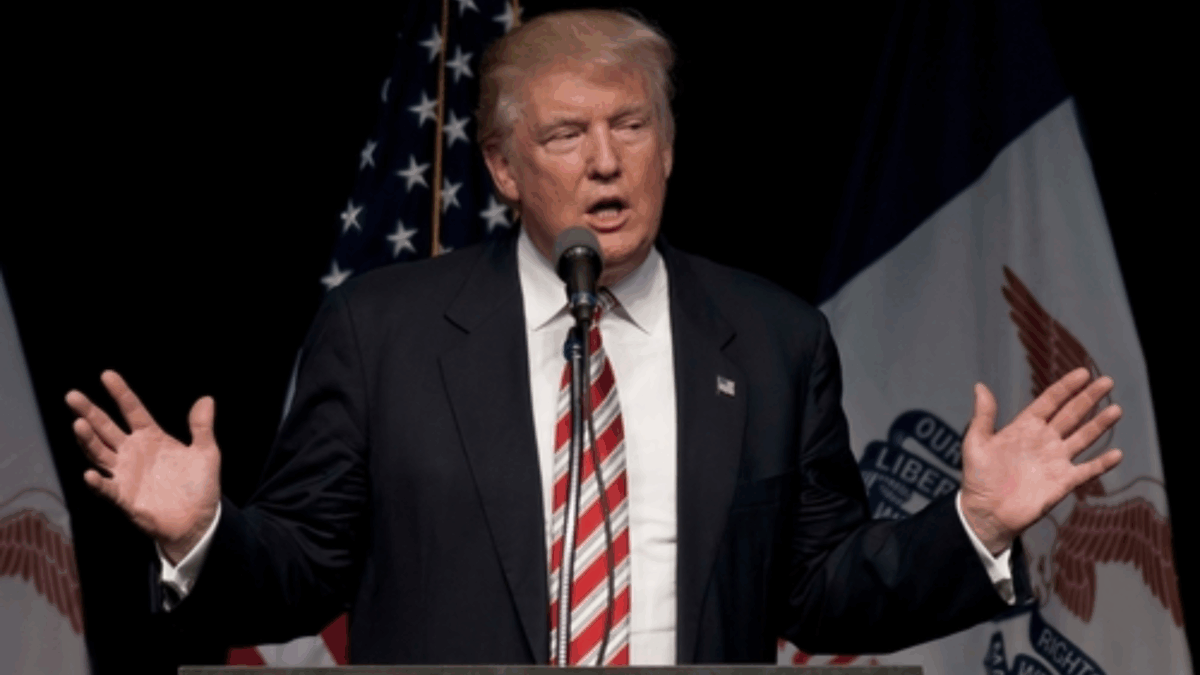
According to remarks reported from the White House, Trump told reporters he is “not looking to renew” the United States-Mexico-Canada Agreement, arguing that the United States carries trade deficits with both Canada and Mexico that he believes weaken American leverage.
He stated that the United States does not need key imports such as Canadian lumber, Mexican manufactured goods, or energy supplies, and suggested that both countries rely more heavily on access to the U.S. market than the U.S. does on access to theirs.
The comments came just hours before the opening of the World Cup, a symbolic moment of cooperation between the three host nations. Instead, the announcement injected tension into what was expected to be a showcase of unity and shared economic partnership.
Why businesses and workers are paying attention
Although the statement is political in nature, its legal implications are substantial. USMCA is not a symbolic agreement. It is a binding trade framework that governs approximately $1.6 trillion in annual trade between the United States, Mexico, and Canada.
The agreement regulates everything from automobile manufacturing rules to agricultural exports and energy trade. Any uncertainty around its renewal can immediately affect investment decisions, hiring plans, and long-term contracts across industries.
Trade analysts say even the suggestion of withdrawal can trigger market caution, especially in sectors like automotive production, where supply chains cross borders multiple times before a product is completed.
The legal framework behind USMCA
Under the current structure, USMCA includes a scheduled review process that requires the three countries to assess whether the agreement should continue for another 16 years.
Under trade provisions, the United States, Mexico, and Canada must formally signal their positions by July 1. If all parties agree, the deal can be extended through 2042.
If consensus is not reached, the agreement does not immediately collapse. Instead, it enters a series of annual reviews that can continue for up to a decade before any full expiration would take effect.
This built-in structure was designed to prevent sudden economic disruption, but political statements like Trump’s introduce uncertainty into a process that businesses rely on for long-term planning.
Responses from Canada and Mexico
Officials in Canada and Mexico quickly moved to reduce concerns about immediate instability.
Canadian Trade Minister Dominic LeBlanc told reporters that it is important not to treat the review process as a sudden crisis or a “cliff that does not exist,” emphasizing that negotiations are still in early stages.
Canadian leaders, including British Columbia Premier David Eby, acknowledged concern over Trump’s remarks but noted that discussions among provinces and federal officials remain ongoing as they assess the next steps.
Prime Minister Mark Carney has also warned that uncertainty tied to U.S. trade policy is already affecting investment decisions in key sectors such as steel, automobiles, and lumber.
In Mexico, Economy Secretary Marcelo Ebrard said the upcoming review should be seen as the beginning of formal discussions rather than a final decision point. Mexican officials confirmed that bilateral talks with U.S. counterparts are already underway and expected to continue in the coming months.
A trade dispute unfolding during a global event
The timing of the comments has amplified their impact. The World Cup is meant to highlight cooperation among the United States, Mexico, and Canada, showcasing shared infrastructure, tourism, and economic coordination.
Instead, the opening moments of the tournament were overshadowed by questions about the stability of the very agreement that helps sustain North American trade integration.
Economists note that USMCA is deeply embedded in daily commerce. Vehicles, food products, electronics, and energy resources often cross borders multiple times before reaching consumers. Any disruption to that system would not only affect governments but also businesses and households.
What happens next in the USMCA review process
The next major milestone is the formal review period, set to begin in the coming months, during which all three countries will assess whether to extend the agreement.
Officials are expected to focus on issues such as tariffs, trade deficits, industrial rules, and market access. While political rhetoric may continue, any actual changes would require structured negotiation and agreement among all three nations.
Legal experts say the most important factor is not immediate withdrawal, but how aggressively each country approaches the review process. A cooperative tone could preserve stability. A confrontational approach could extend uncertainty for years.
Why this matters beyond politics
At its core, this is not just a diplomatic disagreement. It is a legal and economic framework that directly affects supply chains, job markets, and consumer prices across North America.
For American workers and businesses, the outcome could influence manufacturing costs, export opportunities, and the stability of key industries. For Canada and Mexico, it could determine long-term access to the world’s largest consumer market.
And for everyday consumers, the effects may eventually show up in the cost of vehicles, groceries, building materials, and energy products.
As the World Cup unfolds under the spotlight of global unity, the behind-the-scenes trade relationship is entering one of its most uncertain chapters in years. What happens next will depend not just on political statements, but on whether all three nations can navigate the legal framework that continues to bind their economies together.