President Trump’s White House UFC Night Turns the South Lawn Into America’s Most Controversial Fight Scene
The White House has hosted state dinners, Easter egg rolls, championship teams, foreign leaders, military ceremonies, and moments that shaped American history. But on Sunday, June 14, 2026, it became something the country had never seen before: the backdrop for a UFC fight night.
President Donald Trump marked his 80th birthday with UFC Freedom 250, a mixed martial arts spectacle staged on the South Lawn and wrapped in patriotic branding, political symbolism, celebrity energy, and immediate backlash. Supporters saw it as bold, entertaining, and perfectly Trump. Critics saw something darker: a private sports empire stepping into the people’s house while questions swirled about money, access, and power.
The White House Became a Fight Venue

The most stunning fact is also the simplest one. A professional UFC card took place on White House grounds. That alone made the event historically unusual. The Octagon was not inside a Las Vegas arena or a packed Madison Square Garden. It was placed near the most symbolic residence in American politics.
For Trump, that was the point. The event turned the presidency into a stage, not just for policy, but for spectacle. The South Lawn became a television set, a patriotic theater, and a combat sports arena all at once.
The Timing Made It Personal
The event was tied to America’s 250th anniversary celebration, but it also landed on President Trump’s 80th birthday. That gave the whole night a double meaning. Officially, it was sold as a national celebration. Visually, it looked like a birthday show built around Trump’s favorite themes: toughness, dominance, loyalty, and a crowd chanting “USA.”
That is why the reaction split so sharply. To fans, it was unforgettable entertainment. To critics, it looked less like a national ceremony and more like a presidential vanity project with cage fighting at the center.
Dana White Was Right Beside Him
UFC CEO Dana White was not a background figure. He walked with Trump, helped frame the event, and stood as one of the clearest symbols of the president’s relationship with combat sports.
Their connection goes back years. Trump has long embraced UFC culture, and White has been one of his most visible allies in the sports world. That relationship helped make the event feel less like a random booking and more like the arrival of a long-building political partnership.
The Crowd Was Carefully Controlled
This was not a normal ticketed sporting event where anyone could simply buy a seat. More than 4,000 spectators were invited into the temporary arena, while thousands more watched from nearby public viewing areas around the Ellipse.
That detail matters because access became part of the controversy. Who got inside? Who controlled the guest list? Who benefited from the branding? Those questions turned a fight card into a political story. The closer the seats were to power, the louder the criticism became.
“The Claw” Changed the Look of the White House
The temporary arena was built beneath a large metal structure nicknamed “The Claw,” which was fitted with lights, screens, and sound equipment. It gave the South Lawn the feel of a futuristic fight venue dropped onto federal property.
For supporters, that made the night feel cinematic. For opponents, it looked jarring and inappropriate. The White House is supposed to project dignity, history, and public service. A towering cage fight structure created the opposite image: loud, aggressive, commercial, and impossible to ignore.
The Event Arrived With Protests
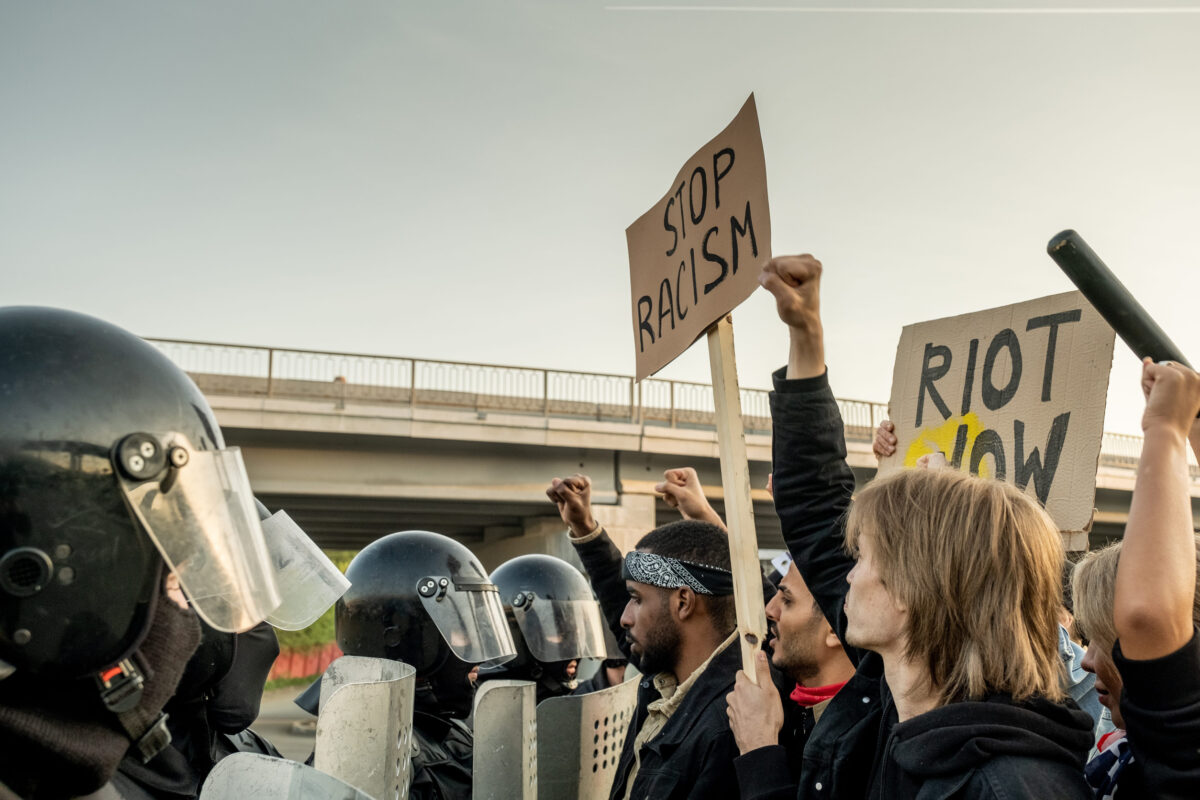
Outside the celebration, protesters made their anger visible. Demonstrators gathered near the White House and the Ellipse, arguing that the event commercialized public space and blurred the line between public office and private entertainment.
Some protesters framed it as corruption. Others objected to the violence of cage fighting being staged beside one of America’s most important political landmarks. The protest scene showed that the fight was never just about the fighters. It became a referendum on what Americans believe the White House should represent.
Money Questions Followed the Spectacle
The financial side quickly became one of the hottest parts of the story. Reuters reported that UFC said it would spend tens of millions of dollars on the event, while questions remained about sponsorships, federal resources, and the Trump family’s business interests.
That is where the story gets bigger than one night. In modern politics, optics matter as much as paperwork. Even if supporters argue the event was legal and privately funded, critics will keep asking whether the presidency should be used to elevate brands, allies, and business networks connected to people close to power.
The Real Fight Was Over Meaning
The punches inside the cage were only one part of the night. The larger fight was over the meaning of the moment. Was this a fearless update to presidential tradition, or a warning sign that politics has become too much like entertainment?
President Trump understood exactly how much attention the event would draw. That has always been one of his strongest political instincts. He knows how to create a scene big enough to dominate the conversation.
But that is why UFC Freedom 250 will not be remembered as just another sports event. It will be remembered as the night the White House lawn became a cage-side arena, and Americans were left arguing over whether they had witnessed history, showmanship, or a line being crossed in plain sight.