How Dollar General’s $1 Grocery Items Really Work and What Shoppers Should Know
Dollar General’s $1 grocery section looks simple from the outside. One dollar items lined on shelves, quick grabs at checkout, and the feeling that something is finally still affordable in a time of rising food costs. But once you spend time inside the store, the picture becomes more layered.
What appears to be a straightforward budget solution is actually a carefully balanced system of pricing, packaging, and shopping behavior. The $1 items are real, but they are also part of a much larger strategy that shapes how people shop, how much they spend, and what they leave the store with.
This is not just a story about cheap groceries. It is a story about how modern shoppers are learning to survive inside a retail system built around small prices and gradual spending.
The $1 aisle feels like relief, but it is designed to move quickly
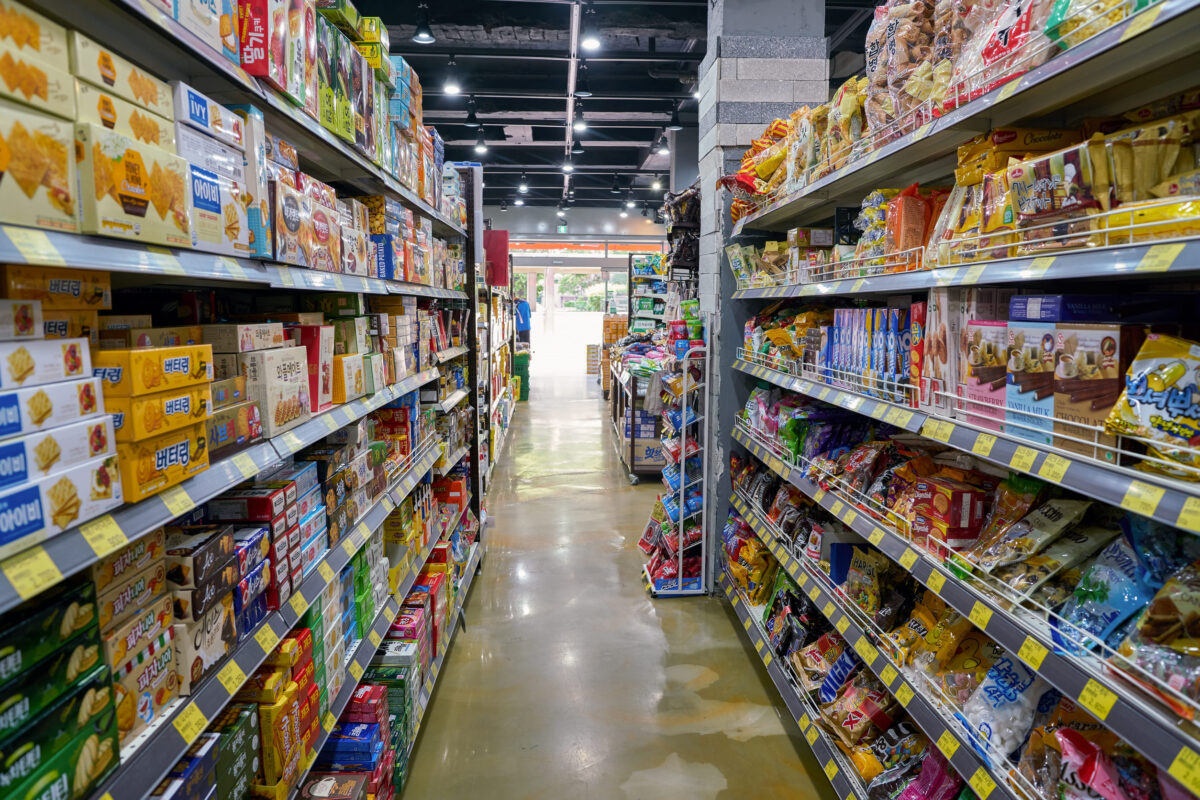
The first thing that stands out in Dollar General is how fast the $1 section pulls attention. It is usually placed in visible areas, sometimes near entrances or high-traffic aisles. The goal is simple: create an immediate sense of affordability before shoppers even begin their main shopping.
These items are often basic essentials. Simple canned foods, snacks, cleaning products, and small household goods dominate the space. On the surface, they suggest that daily living can still be managed at a very low cost.
But the section is intentionally limited. It is not designed to replace a grocery store. It is designed to start a shopping journey, not finish one.
The quiet trade-off behind every $1 purchase
One of the most important details about Dollar General’s pricing structure is that low prices do not always equal long-term savings.
Many $1 items are designed to be quick solutions rather than lasting supplies. That means shoppers may return sooner than expected to restock the same item. Over time, those repeat purchases can add up more than a single larger purchase at another store.
There is also a second layer. The store often places $1 items next to slightly larger or branded alternatives. This creates constant comparison. A shopper might go in for the cheapest option, then decide to “upgrade” for a slightly higher price without fully noticing how much the total is increasing.
The result is a shopping pattern built on small, frequent decisions rather than a planned budget.
What $1 really buys you in today’s economy
A closer look at the $1 items reveals a pattern. The products are useful, but they come with constraints that most shoppers only notice over time.
The most consistent value appears in simple, shelf-stable goods. Items like canned vegetables, basic seasoning, small pasta packs, and cleaning supplies tend to offer the best balance between price and function. These are products where brand differences matter less, and the primary goal is utility rather than quality experience.
However, even within these categories, packaging size is often smaller than what you would find in a traditional supermarket. That difference matters because it changes how far the item actually goes in a household setting.
So while the price feels low, the real question becomes how often you need to replace it.
Why Dollar General works so well in smaller communities
Dollar General’s model is especially powerful in areas where full-size grocery stores are far away or less accessible. In many rural and suburban locations, it becomes the most convenient place to buy food and household essentials.
That convenience changes everything. When transportation is limited or time is tight, shoppers are less likely to compare prices across multiple stores. Instead, they rely on what is immediately available.
In that context, the $1 aisle becomes more than a marketing tool. It becomes part of daily survival planning. A quick stop for dinner ingredients, cleaning supplies, or emergency snacks can replace a full grocery trip entirely.
The psychology of “just one dollar” and why it matters
The $1 price point carries a psychological weight that goes beyond economics. It creates a sense of control, especially when everything else in life feels expensive or uncertain.
A single dollar feels manageable. It feels safe. Even when the product is small or limited, the number itself gives shoppers permission to buy without hesitation.
This is where behavior begins to shift. Instead of asking “Is this the best value overall,” shoppers often start asking “Can I afford this right now?” That subtle change leads to more frequent purchases and less structured budgeting.
Over time, shopping becomes less about planning meals or households and more about reacting to immediate needs.
Where shoppers gain value and where they lose it
Not every Dollar General purchase works against the shopper. There are clear situations where the $1 section provides real value, especially for basic household goods and emergency supplies.
Simple pantry items, low-cost cleaning products, and small snack portions can help bridge gaps between larger grocery trips. In those cases, the store serves its purpose well.
But value begins to disappear when shoppers rely too heavily on small, repeated purchases instead of building a full shopping plan. The convenience of low prices can sometimes hide the fact that total weekly spending is creeping higher than expected.
This is the tension at the center of the Dollar General experience: affordability on the surface, but complexity underneath.
How the store quietly increases total spending
Dollar General’s layout is designed to encourage movement through multiple price layers. The $1 section is only the beginning. As shoppers move deeper into the store, they encounter larger sizes, branded products, and bundled items that gradually increase the total basket value.
This structure is not aggressive, but it is consistent. It relies on small decisions rather than big pushes. A shopper may enter intending to buy only a few $1 items, but end up adding higher-priced goods that feel only slightly more expensive at the moment of purchase.
This is how the store balances affordability with profitability. The lowest-priced items attract attention, while mid-range products carry much of the revenue.
What this reveals about modern grocery shopping
The popularity of Dollar General’s $1 strategy reflects a larger shift in how people shop for food. Grocery trips are no longer always planned as weekly events. For many households, they have become flexible, reactive, and spread across multiple smaller visits.
This change is driven by rising prices, tighter budgets, and changes in work and transportation patterns. People are no longer just looking for the cheapest store. They are looking for the closest, fastest, and most manageable option.
The $1 aisle fits perfectly into that reality. It offers quick relief in small amounts, even if it does not solve the bigger challenge of long-term grocery planning.
Small prices, bigger patterns
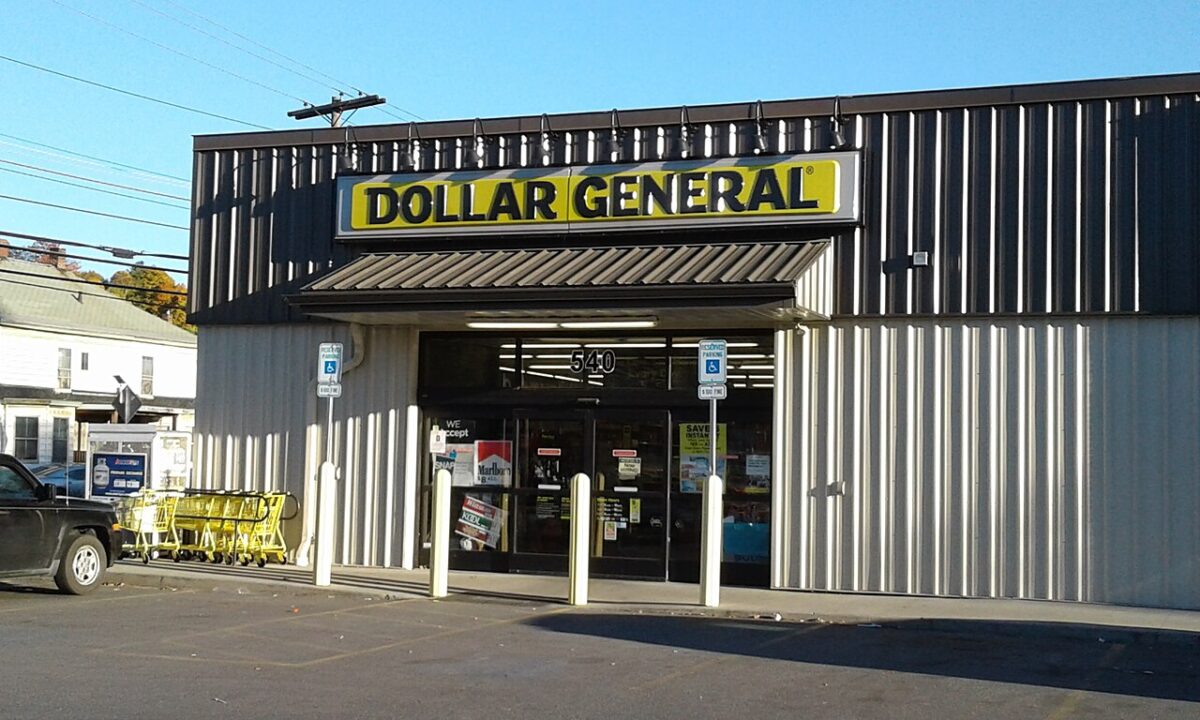
Dollar General’s $1 grocery items are real, useful, and often necessary for many shoppers. They provide access to basic goods in a time when affordability matters more than ever.
But they also sit inside a larger system that shapes how people spend, how often they shop, and how they think about value. What looks like simple savings is actually part of a much more complex retail experience.
The real insight is not whether $1 groceries are good or bad. It is understanding how they fit into a changing economy where every small purchase is part of a much bigger financial pattern.