A Viral Fame Dream Turns Into a Family’s Worst Nightmare
We are watching another heartbreaking warning rise from the dark side of social media fame after a fifteen-year-old Oklahoma teen, Leah Presson, was reported to have no brain activity following an alleged attempt at the dangerous Benadryl Challenge.
The story has shaken parents because it carries a chilling familiarity. A teenager sees a viral trend, believes it may bring attention, laughs, followers, or online recognition, then discovers too late that the human body is not built to survive reckless experiments with medicine.
Leah’s family has said she wanted to be known online. Her father, Richard Presson, described her as a loving, giving girl with a contagious laugh, the kind of teenager whose personality could fill a room before anyone understood the private pressure she may have felt to chase digital attention.
Now, instead of celebrating a viral moment, her loved ones have gathered around a hospital bed, praying for a miracle and warning other families that these social media challenges are not harmless games. They are dangerous dares dressed up as entertainment.
Who Is Leah Presson?
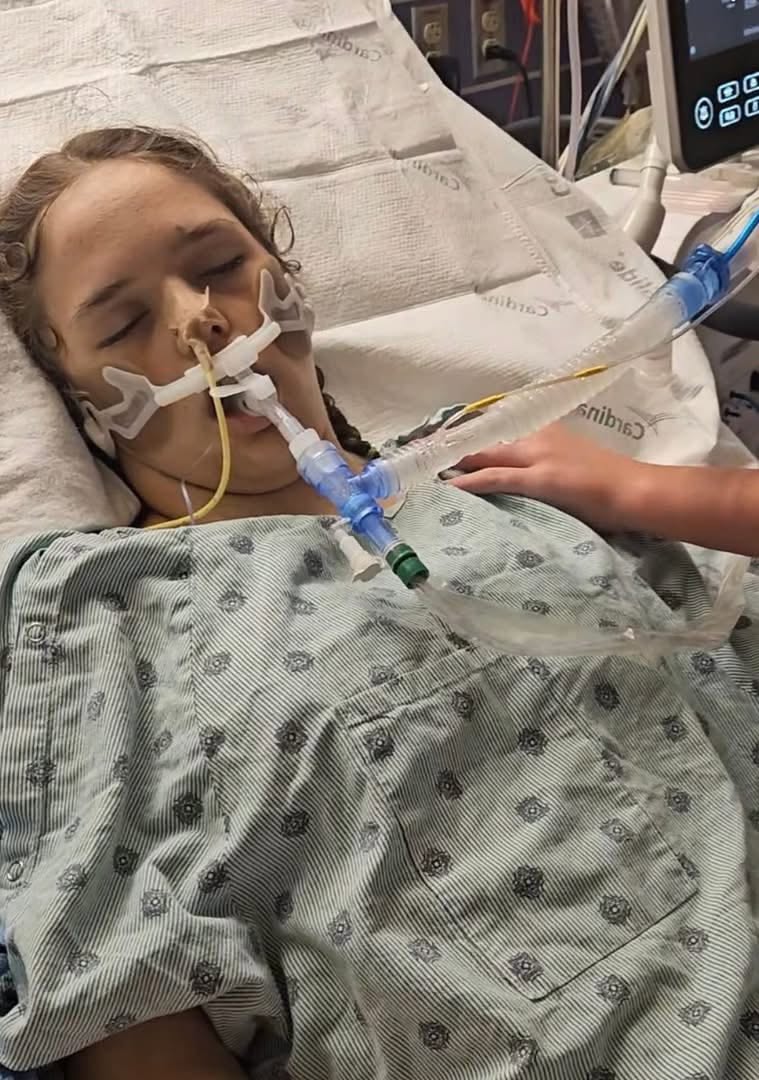
Leah Presson is a fifteen-year-old girl from Oklahoma whose story has become a painful national warning about the risks of viral social media challenges involving over-the-counter medication.
According to family accounts reported by multiple outlets, Leah allegedly took part in the Benadryl Challenge, a trend that encourages young people to misuse diphenhydramine, the active ingredient in Benadryl and some other allergy or sleep products, in an attempt to experience hallucinations or a high.
Her father said the family initially believed her medical emergency may have been connected to asthma. That fear changed when doctors reportedly found signs pointing to a far more serious crisis.
Leah suffered seizures and cardiac arrest, and medical testing later showed no brain activity, according to her family. For any parent, those words are almost impossible to absorb. One moment, a child is laughing, dreaming, and reaching for online popularity. Next, a family is being asked to understand terms that no family ever wants to hear.
What Is the Benadryl Challenge?
The Benadryl Challenge is a dangerous online trend that has circulated for years across social media spaces. It involves young people taking unsafe amounts of diphenhydramine in an attempt to feel a high, hallucinate, or create shocking content for views.
We should be clear about the danger. Benadryl and similar products can be safe when used exactly as directed on the label, but they can become life-threatening when misused. The danger is not limited to a single brand name or platform. The real risk is the misuse of diphenhydramine itself.
The challenge became widely discussed in earlier years after teenagers were hospitalized or died following dangerous medication misuse. Public health officials warned then that this was not a prank, not a trend worth copying, and not a harmless way to go viral.
The problem has returned with new urgency because teenagers continue to encounter risky content online, sometimes through direct videos, sometimes through reposts, rumors, private messages, or peer discussion. Even when platforms remove dangerous material, the idea can continue traveling through screenshots, group chats, and copycat conversations.
Why Diphenhydramine Misuse Can Become Deadly
Diphenhydramine affects the brain and body in powerful ways. In recommended doses, it is commonly used to relieve allergy symptoms such as sneezing, a runny nose, and itching. Some products also use it because it can cause drowsiness.
When taken in dangerous amounts, the same substance can overwhelm the body. Medical warnings have linked high dose misuse to confusion, agitation, hallucinations, extreme sleepiness, seizures, dangerous heart rhythm problems, coma, and death.
The most frightening part is how quickly a situation can move from a teenager “acting strange” to a full medical emergency. A child may look confused, restless, sleepy, frightened, or unlike themselves. They may not be able to explain what they took. They may hide the truth out of fear of punishment. By the time adults understand what happened, the body may already be in crisis.
The Online Attention Trap
We are living in an age where many teenagers do not just want to be seen. They feel pushed to be seen in a way that earns reactions, comments, shares, and status.
For some young people, online fame looks like an escape. It can seem like a doorway into popularity, money, admiration, or identity. A dangerous challenge can be packaged as a shortcut, especially when a teen sees others laughing, daring, or pretending that the risk is smaller than it really is.
That is the trap. Viral trends rarely show the hospital room. They do not show the panic in a parent’s voice. They do not show the ventilator, the neurological testing, the prayer circle, the guilt, or the silence that follows.
They show the dare, not the damage.
Leah’s story matters because it forces us to look past the screen. Behind every challenge video is a real body. Behind every reckless dare is a family that may never be the same again.
A Father’s Warning After Leah’s Medical Emergency
Richard Presson has described his daughter as kind, joyful, and deeply giving. In his public comments, he said Leah had wanted to become TikTok famous and that she had allegedly attempted the challenge before.
That detail is important for families. Dangerous behavior does not always happen once. A teen may try something risky, survive it, and then believe survival means safety. In reality, surviving one attempt does not make the next one less dangerous.
Richard’s message has been direct. Parents need to talk to their children. They need to know what their children are watching, what they are hearing from friends, what jokes are circulating in group chats, and what medicines are sitting within reach at home.
His warning does not come from theory. It comes from a hospital bedside.
Organ Donation Adds Another Painful Layer To Leah’s Story
Leah’s family has also spoken about organ donation, saying she was the kind of person who would want to help others. Her father said her body could potentially save many lives through donation.
That possibility adds a heartbreaking contrast to the story. A dangerous online challenge may have placed Leah’s life in crisis, yet her family is trying to turn unimaginable pain into hope for others.
An honor walk was also discussed by the family, a hospital tradition in which staff and loved ones line the halls to honor an organ donor before donation surgery. It is one of the most emotional scenes in modern medicine because it reflects both loss and generosity.
For Leah’s loved ones, that moment would not erase the pain. But it may carry forward the giving spirit her father says defined her.
Why Parents Should Not Treat Over-The-Counter Medicine As Harmless
One of the biggest misconceptions in cases like this is the belief that over-the-counter medication is automatically safe. That is not true.
A medicine can be legal, common, and useful, yet dangerous when misused. Many families keep allergy medicine, sleep aids, pain relievers, cough medicine, and cold medicine in bathroom cabinets, bedside drawers, kitchen shelves, backpacks, and purses.
Teenagers may assume these products are not serious because they are easy to buy. That false sense of safety can be deadly.
We need to treat medicine storage like a basic safety habit, not an overreaction. If a home has children or teenagers, medications should be stored securely, monitored regularly, and discussed openly. Parents should know what is in the home, how much is left, and whether anything has gone missing.
Warning Signs That Deserve Immediate Attention
Parents should watch for sudden changes in behavior, especially when they occur alongside missing medication or unusual online activity.
Possible warning signs may include unusual confusion, extreme sleepiness, agitation, hallucinations, rapid heartbeat, trouble breathing, collapse, seizures, or a child who cannot clearly explain what they took.
There may also be social clues. A teen may suddenly search for challenge videos, joke about taking medicine, talk about wanting to go viral, become secretive with their phone, or spend time in group chats where risky dares are being discussed.
No single sign proves a child has taken something dangerous, but a pattern should never be ignored. If a parent suspects medication misuse, the safest response is to act quickly and seek emergency help.
How Social Media Platforms Fit Into The Larger Problem
Social media companies often say they remove dangerous challenge content and direct users toward safety resources. That matters, but the problem is broader than a single platform or policy.
A dangerous trend can move from a public video to a private message. It can shift from one app to another. It can be referenced in memes, reaction clips, stitched videos, school conversations, or screenshots.
That means platform enforcement is only one part of prevention. Families, schools, doctors, community leaders, and youth organizations also have a role to play.
We cannot rely only on algorithms to protect teenagers from every dangerous idea. We need real conversations at home and in schools before the next trend reaches a child who thinks it is worth trying.
What Schools And Communities Can Learn From Leah’s Case
Schools should not wait for a tragedy before discussing dangerous social media challenges. These conversations belong in health classes, assemblies, parent nights, counseling offices, and digital safety programs.
The most effective message is not simply “do not do this.” Teenagers hear warnings all the time. They need to understand how the body can be harmed, how online pressure manipulates them, and how a few seconds of attention can create permanent consequences.
We should also make it easier for teens to report dangerous trends without fear of getting in trouble. A student who hears about a challenge should know which adult to tell. A friend who sees someone planning to misuse medicine should know that speaking up is not betrayal. It is protection.
Community prevention works best when adults stop acting shocked and start acting prepared.