Bad News, Home Buyers: New Construction Falls to a 6-Year Low. Here’s What It Means For You
The dream of buying a brand new home just hit another wall. Across the United States, builders are pulling back, construction sites are slowing down, and home buyers who were hoping for more choices may now face a tighter road ahead.
New home construction fell in May to its weakest level in 6 years, a sharp signal that the housing market is still struggling under the weight of high mortgage rates, high building costs, and cautious buyers.
For anyone trying to buy a home, this is not just another housing statistic. It is a warning sign that the market may become even harder to navigate.
Builders Are Hitting the Brakes
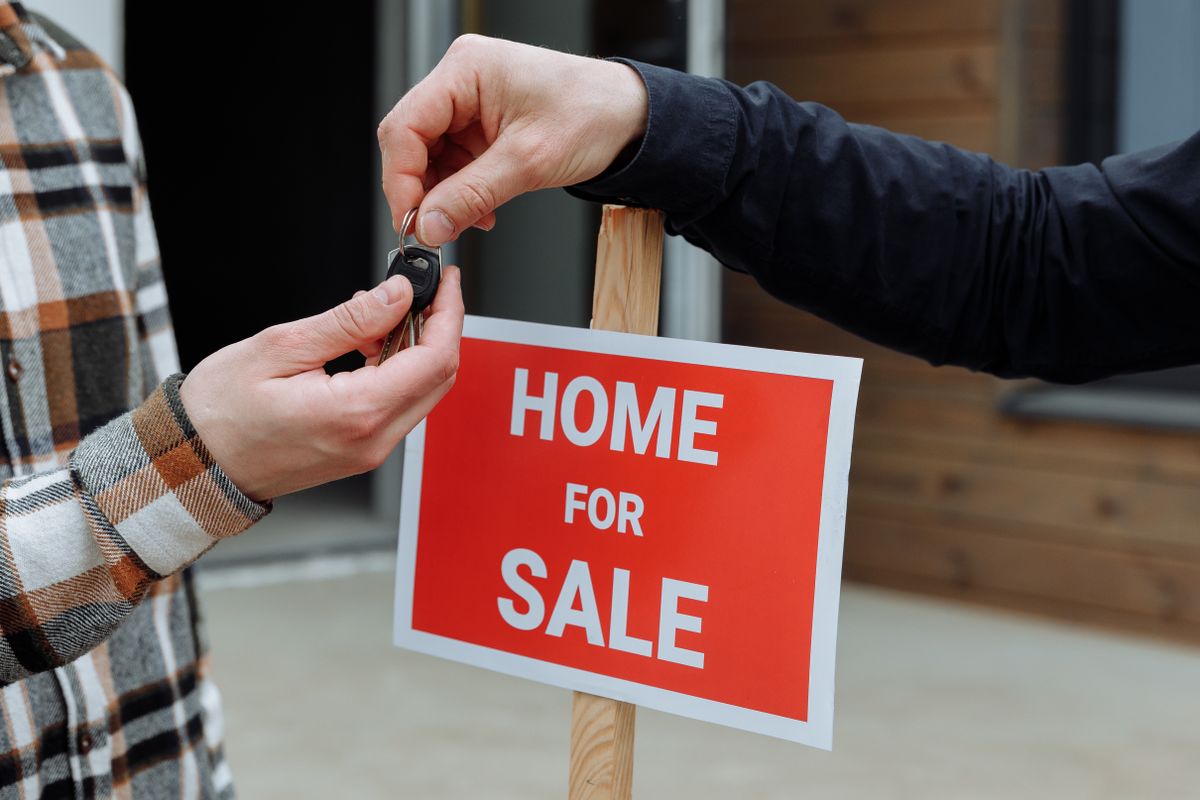
Home builders do not slow down for no reason. They slow down when the numbers stop making sense. In May, new residential construction dropped sharply, falling to a seasonally adjusted annual rate of about 1.177 million homes. That was the lowest level since May twenty twenty, when the pandemic sent shock waves through the economy.
The slowdown was especially painful because housing already feels out of reach for millions of Americans. Prices remain high, mortgage rates are still heavy, and many buyers are already stretching their budgets just to stay in the game.
Builders are now facing a tough choice. If they keep building too aggressively, they risk ending up with unsold homes. If they pull back too much, buyers could face fewer options later. Right now, many builders appear to be choosing caution. That caution may protect builders from financial trouble, but it does not give buyers much comfort.
Why Fewer New Homes Hurt Buyers
At first, some buyers may think slower construction could be good news. If builders have unsold homes, maybe they will cut prices. Maybe they will offer better deals. Maybe buyers can finally get some breathing room.
There is some truth to that, but the bigger picture is more complicated. When new construction falls, future supply becomes thinner. That means fewer brand-new homes may be available in the months ahead. In areas where resale inventory is already limited, new construction has been one of the few pressure valves helping buyers find something available.
If builders slow down too much, buyers could lose that extra source of choice. That is especially important in fast-growing cities and suburbs, where families are still searching for homes near jobs, schools, and transportation. A slowdown in construction can quickly lead to a shortage of move-in-ready homes, especially in popular neighborhoods. The market is not frozen, but it is fragile.
Mortgage Rates Are Still Calling the Shots
The biggest force behind this slowdown is still affordability. Buyers are not just looking at the price of a home. They are looking at the monthly payment, and that payment has become painful. Mortgage rates in the mid-6% range can add hundreds of dollars a month compared with the lower-rate years many buyers still remember.
That changes everything. A home that looked affordable two years ago may now feel out of reach. A buyer who planned to purchase a larger home may have to settle for less space. Another buyer may delay the search completely.
Builders feel that pullback almost immediately. If fewer people can qualify for loans, fewer people sign contracts. If fewer contracts come in, builders become less willing to start new projects.
This is why the housing market is stuck in a strange place. America still needs more homes, but buyers cannot easily afford the ones being built.
Discounts May Not Last Forever
Some builders are still offering incentives to keep buyers interested. These can include price cuts, mortgage rate buydowns, closing cost help, or upgraded features at no extra cost. For buyers who are ready and financially prepared, this could create a narrow window of opportunity.
A builder with unsold inventory may be more flexible than a private seller who has no pressure to move. Buyers may have room to negotiate, especially on homes that are already finished or nearly complete.
But there is a catch. If builders continue reducing new projects, those incentives could become less common later. Fewer homes under construction may mean builders feel less pressure to offer discounts in the future.
That means buyers should not assume today’s deals will still be available months from now. The best opportunities may be in markets where builders have an excess of completed homes and need to clear inventory.
The Apartment Slowdown Matters Too
The drop in construction was not only about single-family homes. Multifamily construction also weakened sharply.
That matters because apartments are part of the affordability story too. When fewer apartments are built, renters can face more pressure over time. If rents stay high, it becomes harder for renters to save for a down payment.
In other words, a slowdown in apartment construction can affect future home buyers before they even enter the home-buying market. Housing works like a chain. Renters, first-time buyers, move-up buyers, builders, lenders, and sellers are all connected. When one part of the chain tightens, the pressure spreads.
That is why a construction slowdown is not just bad news for builders. It can be bad news for anyone hoping for a healthier, more balanced housing market.
What Buyers Should Do Now
Home buyers should not panic, but they should be sharper. This is a market where preparation matters. Buyers need to know their budget before they walk into a sales office. They need to compare lender offers, understand the full monthly payment, and ask builders directly about incentives.
A lower sticker price is helpful, but a lower mortgage rate buydown may save more money month after month. Closing cost help can also make a major difference for buyers who are short on upfront cash.
Buyers should also compare new construction with existing homes in the same area. In some markets, a builder may offer a better deal. In others, an existing homeowner may be more flexible, especially if the home has been listed for a long time. The smartest buyers will not chase headlines. They will study their local market.
A Smaller Pipeline Could Shape the Rest of the Year
The big question now is whether this is a temporary pullback or the beginning of a deeper slowdown.
Building permits did not fall as sharply as housing starts, which means some builders may still be preparing future projects. That gives the market a little hope. If mortgage rates ease, buyer demand could improve, and construction could pick up again.
But if rates stay high and costs remain stubborn, builders may continue to move cautiously. For buyers, the message is clear. The market is not suddenly becoming easy. New construction is slowing, affordability is still strained, and the choices available today may not look the same later in the year.
The best move is to stay alert, negotiate firmly, and treat every builder incentive as part of the home’s full price.