The Walmart Effect Is Sending a Warning About the US Economy and Most People Aren’t Paying Attention
Walmart shoppers are still showing up. The bigger story is that they are becoming more careful about how much they spend once they get there.
Walmart reported its slowest comparable-sales growth in six years in its latest quarter, with U.S. comparable sales rising 2.6 percent. That came in below the 3.8 percent analysts had expected, while average spending per transaction increased just 1.1 percent, down from 3.1 percent a year earlier.
The numbers do not point to Americans suddenly stopping their spending. They do suggest that some shoppers are making more deliberate choices with their money, even at one of the country’s biggest retailers.
Shoppers Are Still Coming Through The Doors
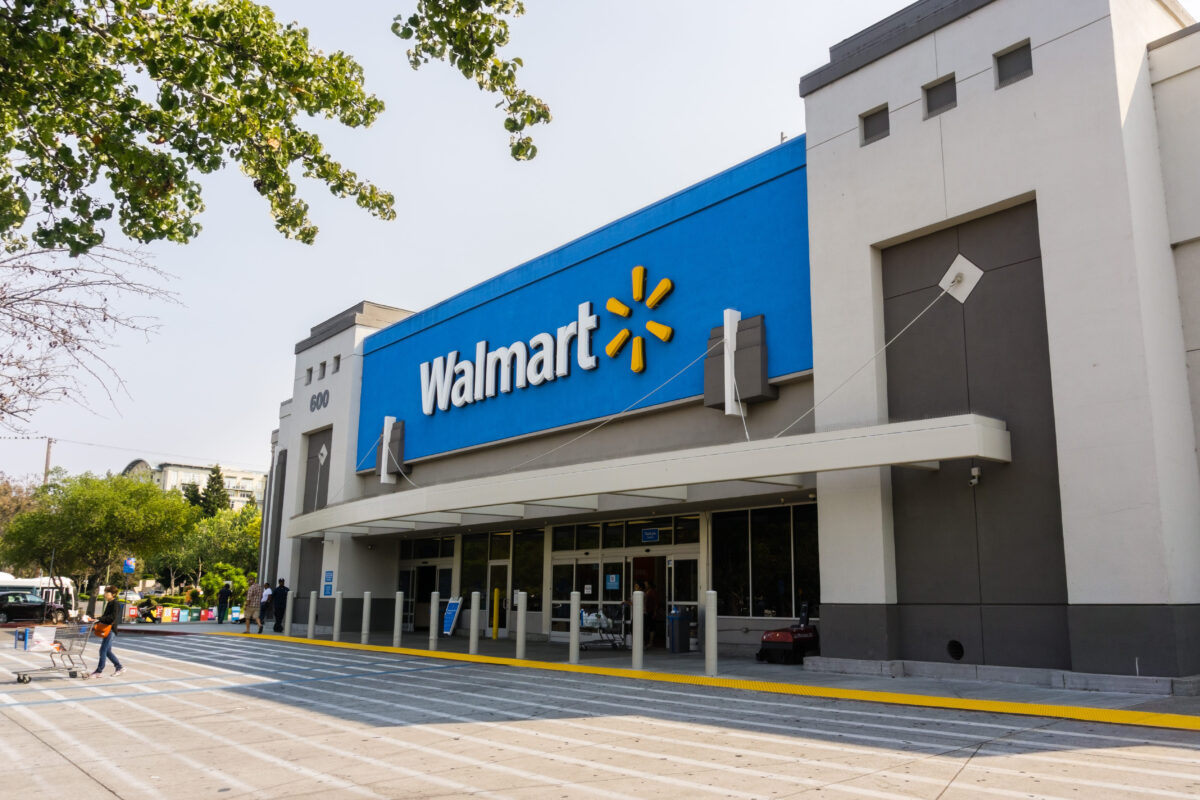
One of the most telling parts of Walmart’s results is the difference between traffic and spending.
Store traffic growth slowed to 1.5 percent from 3 percent in the previous quarter. At the same time, the amount shoppers spent per transaction continued to grow, but at a much slower rate than it had a year earlier.
That combination matters. People are still making trips to Walmart, but the pace of spending growth is weakening.
Reuters reported that Walmart shoppers were continuing to visit stores while spending less per trip, a pattern also seen at Target. For a retailer built around everyday purchases, changes in how much customers put into their baskets can offer a useful look at how households are managing their budgets.
Related: Americans Are Feeling the Strain, Says Walmart CEO, as Fuel Costs Drain Budgets
Higher Gas Prices Are Changing The Math
Gasoline costs are another piece of the story.
Walmart CFO John David Rainey said consumers make trade-offs when gasoline prices rise above $4 per gallon. That can put pressure on the money available for other purchases, particularly when shoppers are already paying more for everyday goods.
September’s inflation figures add more context. The Consumer Price Index rose 0.6 percent during the month and was up 3.7 percent from a year earlier.
Gasoline prices increased 9.1 percent in September and accounted for more than half of that month’s overall CPI increase.
Those numbers help explain why consumers can remain active shoppers while becoming more selective. A household does not have to stop spending altogether for higher costs to change what it buys or how much it puts in the cart.
Walmart Has Been Cutting Prices, But Shoppers Are Still Careful
Walmart rolled back prices on 11,000 items, showing that the retailer is responding to the pressure facing shoppers.
But lower prices on some products have not completely changed the broader spending picture. The company’s latest results still showed slower growth in average spending per transaction.
That does not mean every Walmart shopper is cutting back. Walmart continues to attract higher-income households, so its results should not be treated as evidence that consumers across every income group are behaving the same way.
Instead, the numbers point to a more mixed consumer picture. Some households may have more room in their budgets, while others are making harder choices about what they buy.
The Wider Retail Picture Is Mixed Too
Walmart’s results are not happening in isolation.
U.S. retail sales rose 0.8 percent in September, which means consumers were still spending overall. But that headline number does not tell the entire story.
Retail sales excluding autos, gasoline, building materials, and food services rose only 0.1 percent in September. The stronger overall retail figure was also influenced heavily by higher gasoline prices.
That creates a picture that is more complicated than either a booming consumer or a consumer economy in collapse.
People are spending. They are simply facing more pressure over where that money goes.
Consumer Confidence Has Also Fallen
Another warning sign comes from consumer confidence.
The Conference Board’s index fell to 81.9 in September from 88.6 in August. That decline adds another indication that consumers were feeling less confident about the economic picture.
Confidence and actual spending do not always move together. A person can feel less optimistic while still buying groceries, filling a gas tank, and making other necessary purchases.
That is part of why Walmart’s results are worth watching. The retailer’s customer base includes households across income levels, and its stores are heavily connected to everyday shopping.
What The “Walmart Effect” Really Means
The phrase “Walmart effect” can be useful shorthand for what Walmart’s results reveal about consumer behavior. Because the retailer serves a broad customer base and focuses heavily on everyday purchases, changes in traffic and spending can offer clues about how shoppers are responding to economic pressure.
But it is not an official economic indicator.
One private market model has used the term “Walmart Recession Signal” to compare Walmart’s stock performance with luxury-company stocks. That is a private market model, not a recession measure used by the federal government, the Federal Reserve, or the National Bureau of Economic Research.
Walmart’s latest results should therefore be viewed as one piece of the economic picture, not as a declaration that a recession has arrived.
This Is A Warning, Not A Recession Announcement
The most important takeaway is that consumer caution appears to be showing up alongside continued spending.
Walmart’s 2.6 percent comparable-sales growth, slower 1.1 percent increase in average spending per transaction, and slower store-traffic growth all point toward a customer who may be thinking more carefully about each purchase.
At the same time, retail sales remain positive, Walmart continues to attract higher-income households, and there is no evidence in these figures that Americans have stopped spending altogether.
For shoppers, the economic story may be less dramatic than a sudden spending freeze. It looks more like a growing willingness to compare, prioritize, and make trade-offs when household costs rise.
That is why Walmart’s numbers matter. They do not prove that a recession is underway, but they offer another sign that the American consumer is becoming more selective about where each dollar goes.