Walmart and the 2026 Consumer Shift: How America’s Largest Retailer Is Navigating a Smarter, Faster, More Demanding Shopper.
Walmart is not just a retailer in the United States; it is a measurement of consumer behavior itself. With more than 4,600 stores across the country and annual revenue in the hundreds of billions of dollars, the company reflects how Americans respond when inflation rises, budgets tighten, and convenience becomes a priority.
Roughly 60 percent of Walmart’s U.S. sales come from groceries, making it one of the most influential food retailers in the nation, while its growing e-commerce presence continues to reshape how customers interact with the brand beyond physical stores.
In 2026, even a retailer of Walmart’s scale is facing a quieter but more complex reality. The consumer is not disappearing. The consumer is evolving faster than the systems built to serve them.
Value Is No Longer Just “Lowest Price Wins”.

Image credit: Bull-Doser, via Wikimedia Commons
Walmart’s foundation has always been everyday low prices, a strategy that helped it dominate U.S. retail for decades, especially during inflationary periods when shoppers tend to trade down. That foundation still matters, but it no longer guarantees automatic loyalty.
Today’s shopper evaluates value through multiple dimensions, including durability, convenience, health considerations, emotional satisfaction, and brand trust. A lower price is no longer enough if the product fails to meet broader expectations.
This shift is visible in how consumers structure their shopping behavior. Many still rely on Walmart for essentials like groceries and household goods, yet they increasingly upgrade or switch categories depending on context.
Grocery remains strong, but discretionary categories show more fragmentation. The result is a more selective form of loyalty, in which customers stay with the retailer for some needs and move elsewhere for others.
The Store Visit Now Starts on a Screen.

The journey to purchase now begins long before the store visit. A growing number of consumers arrive influenced by digital platforms such as TikTok, Instagram, YouTube, and AI-powered recommendation tools.
Grocery ideas, product comparisons, and lifestyle content shape intent before a shopper even opens a store app or steps into a parking lot. Retail discovery has shifted upstream, meaning Walmart is no longer only competing with nearby physical stores but also with digital attention systems that shape what people decide to buy.
This transformation changes the role of the physical store itself. Walmart once controlled discovery through aisle design, shelf placement, and in-store promotions. Today, discovery often happens entirely outside the store.
A viral recipe video can drive demand spikes within hours, while trending household hacks or budget meal ideas can shift purchasing patterns without traditional advertising involvement. Walmart is now part of a broader attention economy where visibility is earned across screens before it is confirmed at checkout.
Smaller Brands Are Winning Where Big Brands Are Slow
Inside Walmart’s ecosystem, another shift is unfolding as smaller, more focused brands gain traction. These brands succeed by targeting specific consumer identities rather than broad audiences. Health-oriented snacks, high-protein products, organic private labels, and culturally specific food items are increasingly competing with legacy packaged goods.
Industry research has consistently shown that private label and niche brands continue to capture incremental share in grocery and household categories, especially among younger and value-conscious shoppers. At the Walmart scale, even minor shifts in preference represent billions of dollars in movement.
This creates pressure for traditional brands that sit in the middle of the market. Products that are neither deeply discounted nor strongly differentiated risk losing relevance. The modern consumer is less interested in generic offerings and more responsive to products that feel specific, intentional, and aligned with personal identity or lifestyle needs.
Convenience Has Become a Structural Expectation
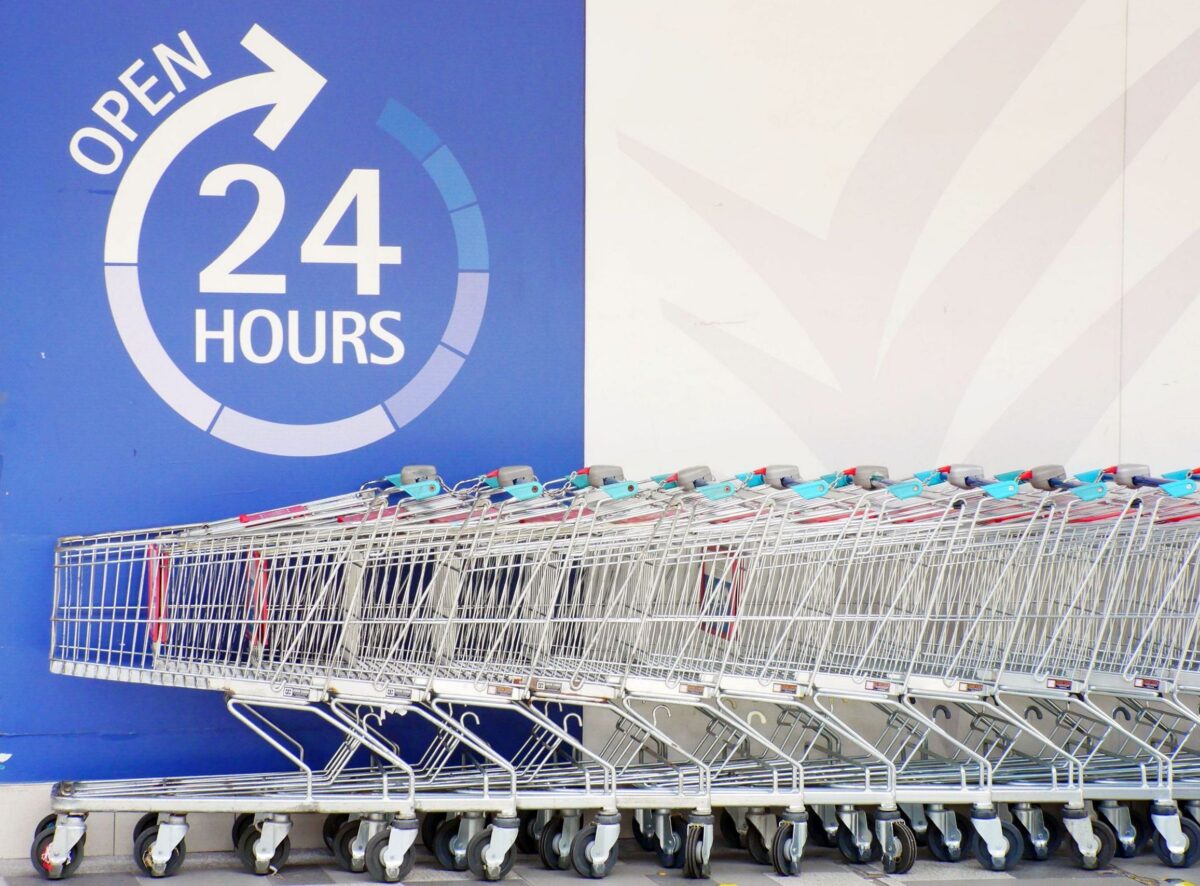
Convenience has also shifted from a competitive advantage to a baseline expectation. Walmart has invested heavily in pickup services, delivery networks, and same-day fulfillment infrastructure.
These investments reflect a structural shift in consumer behavior, in which time efficiency competes directly with price in determining purchase decisions. The modern shopper is not only trying to save money but also to reduce mental effort. Shopping is becoming less about browsing and more about streamlined decision-making.
Loyalty Is Becoming Mathematical, Not Emotional.

Loyalty, once driven by habit and familiarity, is becoming more outcome-based. Consumers remain loyal to Walmart not because of emotional attachment alone, but because of consistent results such as cost savings, reliability, and convenience.
However, this loyalty is increasingly conditional and selective. If another retailer or platform delivers a better outcome, switching behavior becomes immediate and low-friction.
Comparison tools, price-transparency apps, and digital marketplaces have made it easier than ever for consumers to reassess their choices in real time.
AI Is Quietly Reshaping the Path to Purchase
At the same time, artificial intelligence is beginning to influence purchasing decisions in subtle but powerful ways. Consumers are using AI tools to build shopping lists, compare prices, and receive product recommendations before entering any retail ecosystem.
This introduces a new visibility layer in which products must not only be attractive to human shoppers but also be structured so that AI systems can recognize and recommend them. Product data clarity, pricing consistency, and digital presence are becoming essential components of retail performance.
Walmart’s challenge in 2026 is not declining demand but changing interpretation. Shoppers still enter stores, fill carts, and rely on the brand for essentials. What has changed is the logic behind those decisions.
Every purchase is now shaped by digital influence, real-time comparison, and personal prioritization. The consumer is no longer static or predictable; they move fluidly between channels, adjust expectations by context, and continuously recalibrate what value means to them.
The retailer remains a central force in American commerce, but it now operates in an environment where consumer behavior is less linear and more fragmented than ever before. Walmart is not losing relevance. It is adapting to a customer who is defined less by where they shop and more by how they decide in the moment.
The Bigger Picture: Walmart Is Not Losing Shoppers, It Is Facing a New Type of Shopper
Walmart’s core strength has never been just scale; it has been adaptability to the rhythm of American consumer life. That strength is being tested in a new way as shoppers become more dynamic, digitally influenced, and selective in how they engage with retail.
The store is still central, the brand is still powerful, and the customer base is still massive, but the behavior driving that ecosystem is less stable and less predictable.
The modern shopper is not stepping away from Walmart. They are stepping into a different relationship with it, one shaped by comparison, convenience, context, and constant recalibration.
In that shift, Walmart is not losing its place in the market. It is learning to understand a consumer who no longer shops out of habit, but out of intent that can change from one moment to the next. That is the story of 2026: not an exit from Walmart, but a more demanding, more fluid, and more deliberate relationship with it.