8 Ways Florida’s Popeyes Closures Reveal a Bigger Fast-Food Shake-Up
Florida diners are used to seeing fast-food signs light up busy roads, shopping plazas, highway exits, and neighborhood corners. That is why the sudden Popeyes closures across parts of Florida and Georgia feel like more than just a missing fried chicken stop. They show how fragile the fast-food business can become when debt, rent, wages, food costs, and slower customer spending all hit at once.
The closures are tied to Sailormen Inc., a major Popeyes franchise operator that filed for Chapter 11 bankruptcy protection in early 2026. The company operated more than 100 Popeyes restaurants across Florida and Georgia, and several locations have already closed as part of the restructuring process.
For customers, the story may look simple: a restaurant was open, then it was not. But the reality is more layered. Behind every locked door is a chain reaction that can touch workers, landlords, nearby businesses, suppliers, delivery drivers, and families looking for affordable meals.
Here are some of the clearest ways Florida’s Popeyes closures reveal a much bigger shift in the fast-food industry.
The Closures Show That a Famous Sign Does Not Guarantee Stability

A Popeyes sign carries national recognition. People know the chicken sandwich, the biscuits, the Cajun-inspired menu, and the orange-and-red branding before they ever pull into the parking lot. That familiarity can make a restaurant feel permanent.
But a national brand and a local restaurant operator are not the same thing. Many fast-food restaurants are run by franchisees, not directly by the parent company. That means the local operator handles daily costs, staffing, rent, equipment, and debt while using the larger brand name.
That difference matters. Popeyes as a brand can remain strong while some franchise locations struggle. The Florida closures show how a popular chain can still lose restaurants when the business behind specific stores becomes financially strained.
Franchise Debt Can Turn Growth Into a Trap
Fast-food expansion often looks like success. More restaurants usually mean more sales, more visibility, and more market share. But growth can become dangerous when it depends heavily on borrowed money and expensive leases.
Sailormen’s bankruptcy filing highlights that risk. A large franchise operator may manage dozens or even hundreds of locations, but that also means it carries a bigger payroll, more rent obligations, more vendor bills, and more debt. When conditions shift, the pressure spreads quickly.
That is why the Popeyes closures matter beyond Florida. They offer a clear warning about the franchise model. Expansion can build a business, but it can also expose weak spots when customers pull back or costs rise too fast.
Florida’s Fast Growth Can Make Restaurants Harder to Run
Florida has been one of America’s most-watched growth states, with booming metro areas, expanding suburbs, and heavy tourism traffic. That growth can attract restaurant chains because more people usually mean more potential customers. But it also brings higher competition.
In fast-growing markets, rent can rise quickly. Labor can become harder to secure. Prime restaurant spaces near highways, shopping centers, and busy intersections can become expensive. A location that once made financial sense may become harder to justify when costs climb.
This is one reason restaurant closures in Florida feel so important. A busy state is not inherently easy for operators. Growth brings opportunity, but it also raises the price of staying in business.
The Chicken Wars Have Made the Market Crowded

Fried chicken is no longer a quiet corner of fast food. It is one of the most competitive categories in the restaurant industry. Popeyes, Chick-fil-A, KFC, Raising Cane’s, Zaxby’s, Wingstop, and other chains are all fighting for the same hungry customer.
That battle has created better menu choices for diners. Customers now see more spicy sandwiches, combo deals, sauces, tenders, wings, family meals, loyalty rewards, and app-only offers. The problem is that restaurants must spend more to stand out.
Competition can squeeze weaker locations. If several chicken chains operate near the same road or shopping center, every restaurant has to fight harder for lunch traffic and dinner sales. In that kind of market, one bad lease or one slow quarter can become a serious problem.
Cheap Meals Are Getting More Expensive to Serve
Fast food built its reputation on convenience and affordability. Customers expect quick meals at prices that feel manageable. But the cost of producing those meals has changed.
Restaurants now face higher expenses for ingredients, cooking oil, packaging, utilities, insurance, rent, maintenance, and labor. Even when menu prices rise, operators may still struggle to protect margins. Customers notice higher prices, but restaurants still may not be making much more profit.
That creates a tough squeeze. If prices rise too much, budget-conscious customers visit less often. If prices stay too low, operators may not cover costs. The Popeyes closures reveal how difficult that balance has become.
Workers Feel the Shock Before Anyone Else
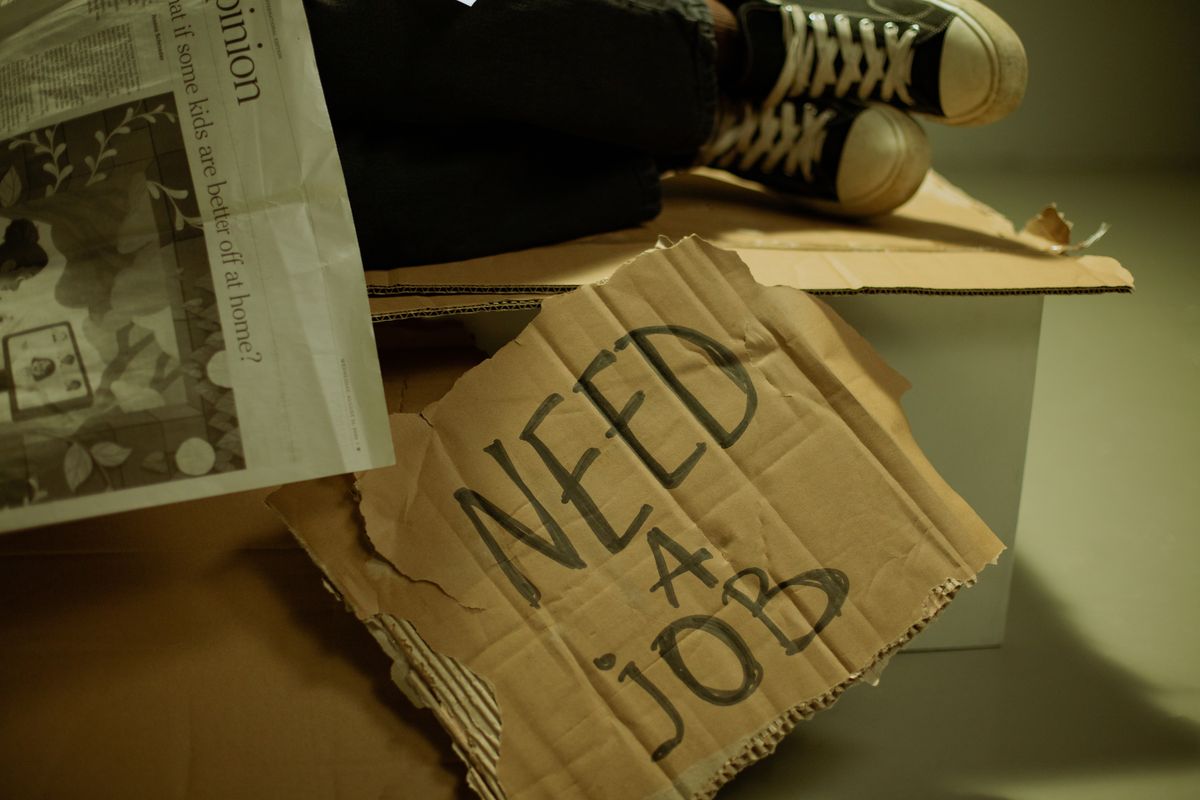
When a fast-food restaurant closes, workers often absorb the first and hardest hit. A closed dining room means lost shifts, uncertain paychecks, changed schedules, and sudden job searches. For many employees, even a short disruption can create real stress.
Fast-food jobs support students, parents, part-time workers, immigrants, retirees, and people building their first work experience. These jobs may not always make headlines, but they matter deeply to local households. A closure can disrupt transportation routines, child care plans, and monthly bills.
That human impact can get lost in bankruptcy coverage. Court filings discuss leases, debts, and restructuring. Workers deal with the real-life consequences of a workplace going dark.
Empty Restaurants Can Hurt Shopping Plazas
A closed fast-food location not only affects the chain. It can also weaken the surrounding shopping center. Restaurants bring traffic, and traffic helps nearby stores.
When a Popeyes location closes, neighboring businesses may lose some of the customers who stopped by for lunch, dinner, or delivery pickups. A dark storefront can also make a plaza feel less active. That matters in retail corridors where visibility and energy help attract shoppers.
Landlords also face a problem. A restaurant space is not always easy to replace. It may have a drive-thru lane, kitchen equipment, grease traps, and a layout designed for one type of business. Finding a new tenant can take time.
Delivery Apps Cannot Save Every Location.

Food delivery apps have changed how people order fast food. Customers can now get fried chicken, biscuits, fries, and family meals without leaving home. That sounds like a major advantage for restaurants.
But delivery does not always solve the profit problem. Third-party platforms can add fees, pressure kitchen operations, and change how customers interact with restaurants. A location may handle more orders but still struggle if the costs are too high.
Delivery also cannot fix a weak lease, a poor traffic pattern, an expensive labor market, or a heavy debt load. It can help a healthy restaurant grow, but it may not rescue a location already under financial pressure.