New York CEO Killing Case Takes New Turn as Luigi Mangione Plans Psychiatric Defense at Trial
For the family of United Health care CEO Brian Thompson, the case is no longer only about the shocking morning he was killed outside a Midtown Manhattan hotel. It is now about what a jury will be asked to believe when the man charged in his death stands trial this fall.
Luigi Mangione’s attorneys plan to present a psychiatric defense in his New York state murder trial, arguing that he acted while suffering from an extreme emotional disturbance. The legal move does not erase the charges against him, nor does it mean he has been convicted. Mangione has pleaded not guilty to state murder and weapons charges.
But the strategy could reshape the trial. If jurors accept the defense, Mangione could potentially see the murder charge reduced to manslaughter, a major difference in possible prison time.
What Happened
According to prosecutors, Thompson was fatally shot in December 2024 as he walked toward a Midtown Manhattan hotel where UnitedHealthcare was holding its annual investor conference.
Mangione was later arrested in Pennsylvania after a multiday search that drew national attention. Prosecutors allege evidence recovered in the investigation links him to the killing, including a weapon they say was tied to the crime scene and writings they believe may help explain a motive.
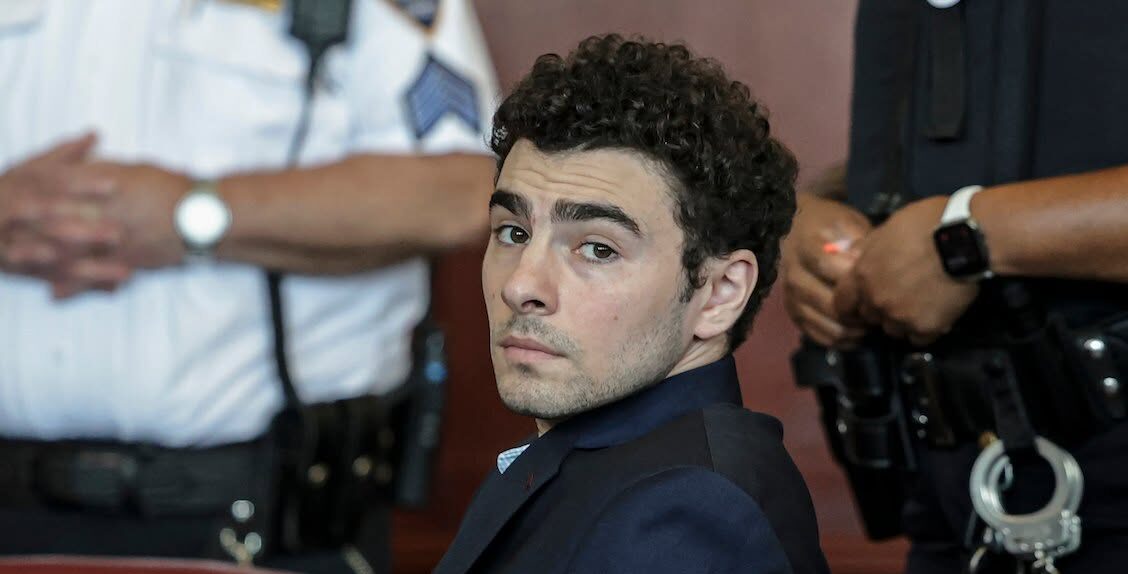
At a court hearing on Wednesday, Judge Gregory Carro said Mangione’s defense team intends to argue that he was suffering from an extreme emotional disturbance at the time of the killing.
That defense is different from simply denying the allegations. Under New York law, an extreme emotional disturbance defense can be used by someone charged with murder to argue they should be held responsible for a lesser crime because of their mental state at the time.
The judge ordered Mangione’s lawyers to provide prosecutors with more information about the defense, including the name of their psychiatric expert and the basis for the argument.
Why This Legal Move Matters
This is a major development because it signals how the defense may approach a case where prosecutors say they have strong physical evidence.
Rather than focusing solely on whether Mangione was involved, the defense appears prepared to address his state of mind. In simple terms, the trial could become less about whether prosecutors can tell a clear story of what happened and more about whether the defense can convince jurors that Mangione’s mental condition changes the legal meaning of the act.
If convicted of murder, Mangione could face a far harsher sentence, including the possibility of life in prison. If the charge is reduced to manslaughter, the maximum sentence would be significantly lower.
That difference is why the psychiatric defense is likely to become one of the most important parts of the case.
Why Locals Care
For New Yorkers, this case is unsettling because it occurred in one of Manhattan’s busiest areas, near hotels, offices, and daily commuters. A high-profile executive was killed in public, outside a major business event, in a city where millions of people already worry about safety, security, and random violence.
The case also touched a national nerve because Thompson led one of the country’s largest health insurance companies. After the killing, public reaction spread far beyond New York, with some people connecting the case to anger over the American healthcare system.
But the courtroom question is narrower. Jurors will not be asked to decide whether the healthcare system is fair. They will be asked to decide whether prosecutors have proved the charges and whether the defense has proved its psychiatric argument.
That distinction matters.
Background of the Case
The killing of Thompson in December 2024 immediately drew national attention because of the victim’s position and the public setting of the attack.
Mangione was arrested days later in Altoona, Pennsylvania, after authorities said he was found at a McDonald’s. Some evidence from his backpack later became the subject of legal arguments over whether police had properly searched it.
In May, the judge ruled that some items could not be used at trial because of how they were searched. However, the judge also allowed prosecutors to present other evidence they say is central to their case, including the alleged murder weapon and writings they believe show planning or motive.
On Wednesday, the court also allowed prosecutors to drop one weapons-related count connected to a loaded magazine found in Mangione’s backpack, after earlier search issues made that evidence unavailable for trial.
What Happens Next
Mangione’s state trial is expected to begin this fall. Before then, his defense team must turn over details supporting the extreme emotional disturbance argument.
Judge Carro made clear that he does not want the defense sprung on prosecutors at the last minute. He warned that delays could affect whether Mangione is allowed to use the defense at trial.
Mangione also faces separate federal charges, including stalking-related counts. He has pleaded not guilty in that case as well.
For now, the next stage will focus on expert reports, psychiatric evidence, legal filings, and whether the judge allows the defense to move forward in full.
Why It Matters
This case is about more than one courtroom strategy. It raises a question that often appears in high-stakes murder trials: how should the legal system weigh mental state when the evidence appears serious, and the consequences are enormous?
For Thompson’s family, the trial will likely reopen a painful public chapter. For Mangione, it could determine whether he faces a murder conviction or a lesser manslaughter conviction. For the public, it will test how much room the law gives to psychiatric explanations in a case that shocked the country.
The final decision will not come from headlines, online arguments, or political reactions. It will come from a jury, after both sides present their evidence in court.