U.S. Monthly Housing Payments Hit a 1-Year High, and the Real Problem Is Bigger Than Mortgage Rates
The American housing market has reached another pressure point, and this time the warning sign is not just home prices. It is the size of the monthly payment.
According to the latest Redfin housing market data, the median U.S. monthly housing payment reached $2,647 during the four weeks ending June 14, the highest level in a year and roughly $100 below the all-time peak reached in 2023. That number matters because it captures the real burden facing buyers better than the sticker price alone.
A home can look affordable on paper until mortgage rates, insurance, taxes, maintenance, and closing costs turn it into a monthly obligation that stretches the household budget. That is the real story now. We are not only seeing expensive homes. We are seeing expensive ownership.
The result is a housing market that feels stuck from both sides. Buyers are hesitating because payments are too high. Sellers are hesitating because demand is not strong enough to guarantee the price they want. The market is active but also tense, cautious, and increasingly divided between those who can absorb today’s costs and those forced to wait.
U.S. Monthly Housing Payments Reach $2,647 as Affordability Gets Tighter
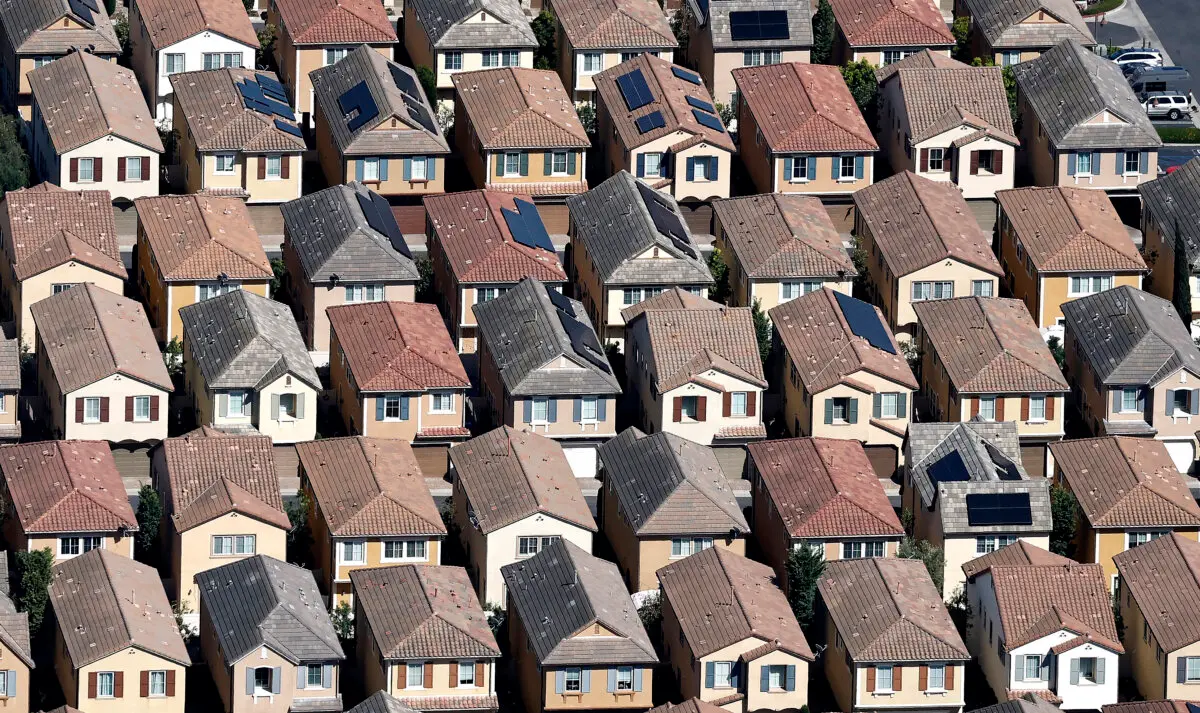
The $2,647 median monthly payment is the clearest signal that affordability remains the central problem in U.S. real estate. This payment level reflects the combined effect of elevated home prices and mortgage rates that remain far above the ultra-low levels many buyers remember from the pandemic era.
The median U.S. home sale price in Redfin’s report rose to $403,889, up 2.3% from a year earlier. The median asking price also climbed to $405,651, showing that sellers are still entering the market with high expectations even as buyers become more sensitive to monthly costs.
When we annualize the $2,647 payment, the typical buyer is looking at $31,764 a year before adding many other costs of homeownership. If we use the common affordability guideline that housing should stay near 30% of gross income, that payment points to a household income requirement of roughly $105,880 a year. If we use the stricter 28% front-end ratio often used by lenders, the required income rises to about $113,443. That is why the payment number is so important. It translates the housing market from abstract prices into household reality. A $400,000 home does not feel like a national statistic when the payment lands every month.
Why Housing Payments Are Rising Even as Buyers Pull Back
The current market is being squeezed by two stubborn forces: home prices and mortgage rates. Prices have not fallen enough to restore affordability. In many areas, prices are still rising because inventory remains uneven and desirable homes continue to attract competition. At the same time, mortgage rates remain high enough to keep payments elevated, even for modestly priced homes.
A buyer who could afford a larger loan at a 3% mortgage rate may find that the same income buys far less at a rate above 6%. That shift has changed the psychology of the market. Buyers are no longer asking only whether they like a house. They are asking whether the payment leaves room for groceries, childcare, car loans, student debt, savings, and emergencies. This is the new affordability trap. Home prices do not need to surge dramatically for payments to feel painful. When mortgage rates stay elevated, even small price increases can push more buyers to the edge.
Buyers Are Not Gone, but They Are More Careful
The housing market is not dead. That is an important distinction.
Recent data from the National Association of Realtors showed that pending home sales increased in May, suggesting that many buyers are still willing to move when the right home appears. But Redfin’s weekly data also show that pending sales fell for five straight weeks by mid-June, suggesting momentum is fragile. This is not a market where demand has vanished. It is a market where demand has become conditional.
Buyers are still browsing, touring, comparing, and waiting. They are watching mortgage rates closely. They are calculating payments before falling in love with homes. They are walking away faster when sellers overprice. Many are not choosing between buying and not buying forever. They are choosing between buying now and protecting their cash flow. That makes today’s buyer more disciplined than the buyer of the pandemic boom. The fear of missing out has been replaced by the fear of overpaying.
Sellers Are Also Starting to Feel the Pressure
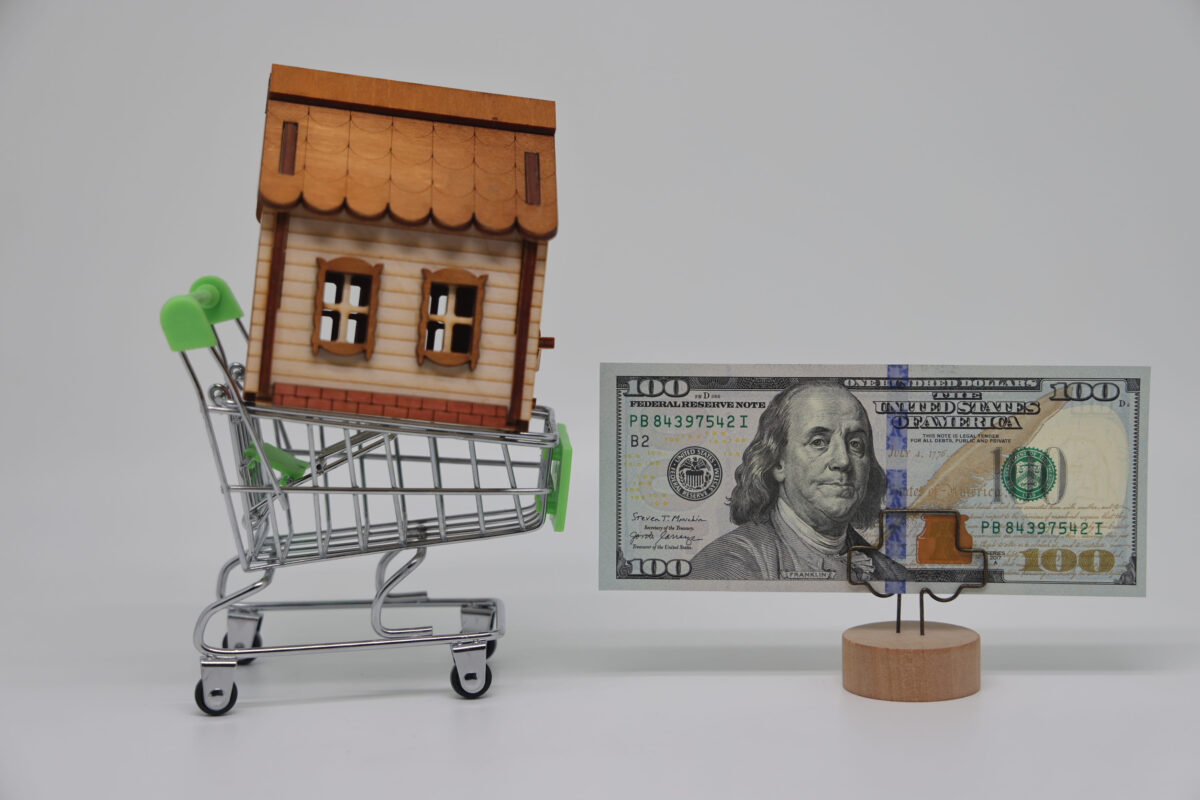
The most interesting part of the current housing market is that sellers are no longer fully in control, even though prices remain high.
Redfin reported that new listings declined 0.4% week over week and the total number of homes for sale dipped 0.1%. Some sellers appear to be stepping back after seeing a weaker buyer response. That creates a strange market dynamic: buyers want more affordability, while sellers do not want to lower expectations too quickly.
For sellers, the mistake is assuming that old pricing power still applies everywhere. A home that sits on the market too long can become a problem because buyers begin to wonder what is wrong with it. In a cautious market, days on market can damage confidence.
The most successful sellers now are not necessarily those who list at the highest possible price. They are the ones who price in line with the market, understand local buyers’ budgets, and create urgency through realism rather than wishful thinking.
What the $2,647 Payment Means for First-Time Buyers
First-time buyers are under the most pressure because they often lack home equity to roll into a new purchase. Existing homeowners may be able to sell a property and use the proceeds to soften the blow of today’s prices. First-time buyers usually face the full weight of the down payment, closing costs, mortgage rate, and monthly payment all at once.
This makes the entry-level market especially difficult. A buyer purchasing a first home may be competing with older buyers, investors, cash buyers, or households with stronger savings. Even when the listing price seems affordable, the full monthly payment can still be too high.
The challenge is not only qualifying for a loan. It is staying financially comfortable after qualifying. Many households can technically be approved for a mortgage, but still feel house-poor once payments begin. That distinction is becoming more important. The question is no longer simply, “Can we buy?” The better question is, “Can we buy and still live well?”