Trump’s ICE Crackdown Is No Longer Just a Border Story: Why Communities Across America Are Now Feeling the Impact
America’s immigration fight is no longer only a border issue. It is now a national issue, appearing outside courthouses, inside local jails, near workplaces, on neighborhood streets, and around family dinner tables. President Donald Trump’s renewed ICE crackdown has turned immigration enforcement into a national stress test, and communities far from Texas, Arizona, and California are feeling the pressure.
The administration says the campaign is about restoring order, removing people who entered the country illegally, and protecting American communities from crime. But the scale and style of the crackdown have created a much wider debate. Critics argue that the policy is no longer only targeting dangerous offenders, but also pulling in longtime residents, workers, parents, asylum seekers, and people with no serious criminal history.
That is why the story has changed. This is not simply a border story anymore. It is a story about federal power reaching into local America, and about how quickly an immigration policy can reshape daily life in cities, suburbs, and small towns across the country.
The Border Fight Has Moved Into America’s Neighborhoods
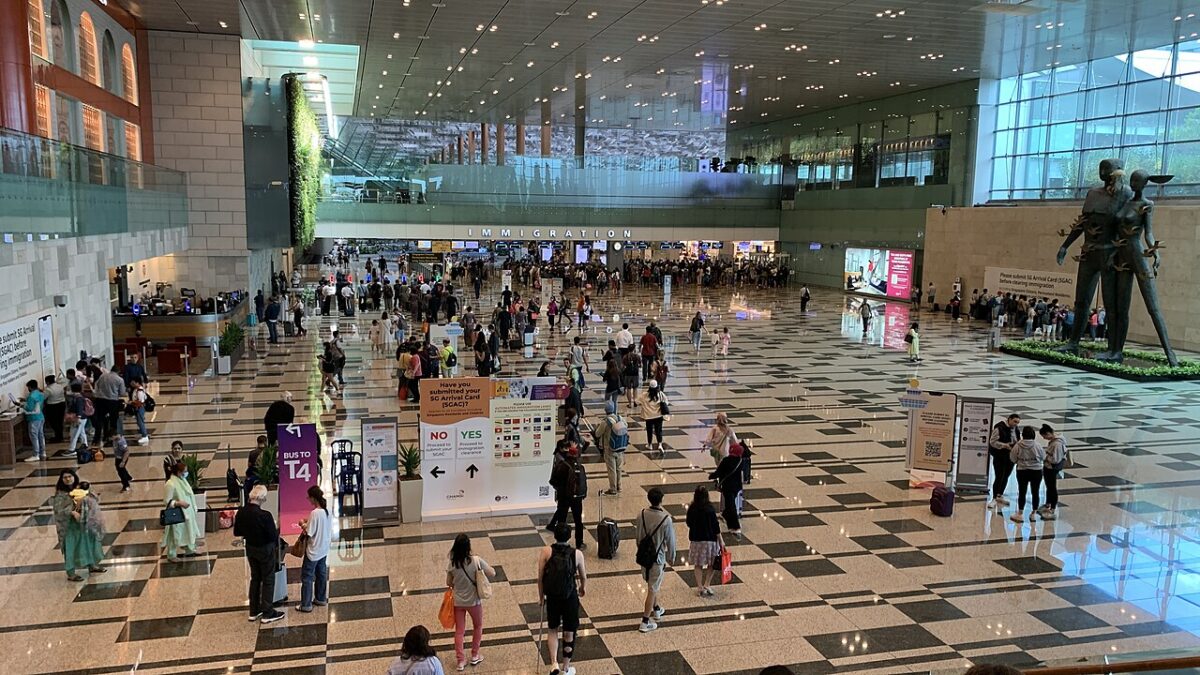
For years, immigration enforcement was often discussed as something that happened at ports of entry, along desert crossings, or inside border patrol sectors. Now, under Trump’s second term, that image has become outdated. ICE activity has expanded deeper into the interior of the country, where agents are making arrests at immigration courts, local jails, public streets, scheduled check-ins, homes, and workplaces.
That shift matters because it changes how communities experience enforcement. A border arrest may feel distant to much of the country. By contrast, a street arrest outside a courthouse, apartment building, job site, or local business feels immediate. It tells people that immigration enforcement can appear anywhere, at any time, even in places where families believed they were simply trying to live quietly.
Data reviewed by immigration researchers found that ICE street arrests rose sharply during Trump’s second term. The Deportation Data Project reported that street arrests increased by about eleven times in 2025, while arrests of people without criminal convictions also climbed. Those numbers help explain why the fear has spread far beyond border states.
The crackdown has become personal because it now touches ordinary routines. Going to work, attending court, reporting to a scheduled immigration appointment, or getting picked up after a local arrest can become the first step toward detention. In practical terms, that is the human reality behind the political language of mass deportation.
Local Jails Are Becoming a Quiet Engine of Deportation

One of the least dramatic but most powerful parts of the crackdown is happening inside local jails. ICE does not need to carry out every arrest on a street corner. In many places, local law enforcement systems instead help identify people for federal immigration custody after arrests, traffic stops, fingerprints, or booking procedures.
This is why city and county policy now matters so much. Some jurisdictions limit cooperation with ICE because they say immigrant residents must feel safe reporting crimes, calling police, and appearing in court. Other jurisdictions work more closely with federal authorities, arguing that immigration detainers help remove people who should not be in the country.
The difference can be enormous. Local jails can become a pipeline into federal custody, especially when people arrested for minor local matters are later transferred to immigration authorities. That process is often invisible to the public, but it can change a family’s life overnight.
Detroit offers one example of how quickly the issue can become local. Reports showed that Detroit police had already released several detainees to ICE custody in 2026, raising questions about how local departments should interact with federal immigration agents. In one city, those numbers may seem small on paper, but every transfer represents a person, a family, and a political decision.
New York City has become an even bigger flashpoint. A city audit reported more than a seventy percent rise in federal immigration arrests in the New York City area after Trump returned to office. Over more than a year, more than 5,500 people were arrested, and many of the arrests were tied to activity around the immigration court.
That detail is important. The immigration court is where people go to follow the legal process. When arrests happen there, critics say it discourages people from showing up for hearings. Supporters say anyone without lawful status remains subject to enforcement. Either way, the courthouse has become one of the most symbolic battlefields in the crackdown.
Courthouses Are Now Immigration Flashpoints
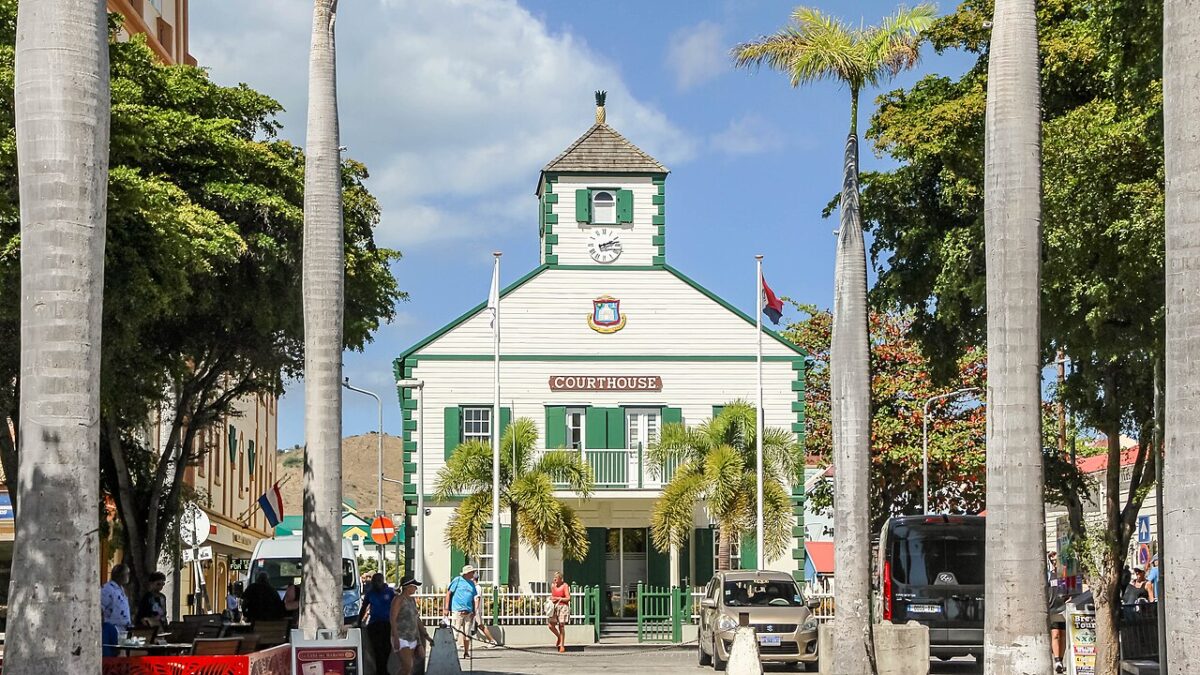
Courthouses have become one of the most controversial locations in the new enforcement push. For immigrant families, a court date is supposed to mean paperwork, lawyers, questions, and legal process. Now, under the crackdown, it can also mean the risk of arrest.
That creates a serious tension. The government wants people to appear for hearings and follow orders from immigration judges. Yet if people believe showing up could lead to immediate detention, some may avoid the process altogether. That can make the system less orderly, not more orderly.
For critics, courthouse arrests send the wrong message. They argue that people who are trying to comply with the legal system should not be treated as easy targets. They also warn that aggressive courthouse enforcement can separate families, overwhelm lawyers, and push vulnerable immigrants further into the shadows.
For supporters, the answer is simple. A court building does not cancel immigration law. If someone has no lawful right to remain in the country, they argue, federal agents should not be blocked from enforcing the law simply because the person is near a courtroom.
That clash is why courthouses now represent more than legal procedure. They have become a national symbol of the larger question hanging over the crackdown: where should enforcement stop, and where should due process begin?
Detention Centers Are Filling as the Crackdown Expands
The size of the detention system has become one of the biggest reasons for growing scrutiny. When Trump took office in January 2025, immigration detention was already a major part of the system. By late 2025, the detained population had climbed sharply, reaching roughly sixty-six thousand people, according to immigration data and reporting.
The American Immigration Council also reported that the detention system had expanded rapidly, with ICE using many more facilities by the end of 2025 than at the start of the year. Congress also approved billions in funding for detention expansion, giving the administration more room to hold people while cases move through the system.
The administration has argued that detention is necessary to make deportation policy work. Without detention beds, arrests do not easily turn into removals. Without removals, Trump’s central immigration promise loses force. So detention is not a side issue. It is the engine of the whole crackdown.
But detention also raises the hardest questions. Who is being held? How long have they been held? Can they speak with lawyers? Can families locate them? Are medical needs being met? Those questions have become more urgent as the detained population has grown.
Reuters reported that the death rate in ICE detention has more than doubled during Trump’s renewed crackdown. It also reported dozens of deaths since January 2025, with advocates, families, and experts raising concerns about medical care, oversight, and transparency.
That is where the debate stops being abstract. Detention is not just a budget line or campaign promise. It is a network of real facilities where people wait, families search for answers, attorneys fight for access, and communities worry about what happens behind locked doors.
Families, Workers, and Schools Are Feeling the Pressure

The impact of the crackdown is not limited to the people arrested. Families are building emergency plans. Some parents are telling children what to do if they do not come home. Workers are avoiding job sites. Churches and immigrant groups are getting more calls for help. Schools are seeing children carry adult fears into classrooms.
Businesses can feel the shock quickly. If workers stay home out of fear, construction sites, restaurants, farms, cleaning services, warehouses, and care jobs can feel the loss. The immigration debate may be political in Washington, but by morning, in local economies, it can become a staffing problem.
Police departments can also feel the impact. When immigrant residents fear that any contact with law enforcement could lead to immigration consequences, they may hesitate to report crimes, serve as witnesses, or ask for help. That is why many city leaders argue that aggressive federal enforcement can weaken local public safety, even when it is carried out in the name of public safety.
The administration’s supporters reject that argument. They say communities become safer when immigration law is enforced and when people with criminal records are removed. They also argue that refusing to cooperate with ICE protects people who should not be shielded from federal law.
But the public safety argument has become more complicated. Recent data reviews have shown that a growing share of ICE arrests involved people without U.S. criminal convictions or pending criminal charges. That does not mean every person arrested has a legal right to remain in the country. It does mean the crackdown is broader than the simple phrase “worst of the worst” suggests.
America’s Immigration Debate Has Come Home
The reason communities across America are feeling the impact is not only because more people are being arrested. It is because the crackdown has changed the atmosphere. Fear spreads faster than official policy. A single raid can empty a job site. A courthouse arrest can discourage dozens of people from attending hearings. A detention death can shake families who already distrust the system. A local police transfer to ICE can turn a city council meeting into a political fight.
That is why Trump’s ICE crackdown has become one of the defining domestic stories of his second term. It is not just about who crosses the border. It is about how far the federal government can go once people are already inside the country, and how much disruption Americans are willing to accept in the name of enforcement.
The border may still be the symbol of the immigration debate, but the real fight has moved inland. It is now playing out in New York, Detroit, Minneapolis, Chicago, Los Angeles, Miami, and countless smaller communities where immigration policy has become a daily reality.
America is no longer watching the crackdown from a distance. It is living with it, arguing over it, and measuring its cost one arrest, one family, one courtroom, and one neighborhood at a time.