Jalen Brunson Left $113 Million Behind. Now Other NBA Stars May Feel the Pressure
Jalen Brunson did something that sounds almost impossible in modern American sports.
He looked at the kind of money most people could not spend in ten lifetimes and walked away from a massive chunk of it.
Not because he was forced to. Not because his value had dropped. Not because the New York Knicks had no choice. Brunson left $113 million on the table because he believed the Knicks needed room to build something bigger than one man’s bank account.
Now that decision is no longer just a story about a contract. It has become a pressure point across the NBA.
Jay Williams has warned that players are starting to feel the weight of Brunson’s choice. And honestly, it is easy to see why. Once one superstar takes less money and his team wins because of it, every other star suddenly gets dragged into the same conversation.
That is where this story gets messy.
Because Jalen Brunson may have become a hero in New York, but he may have also created the most uncomfortable question in basketball: if he could sacrifice for winning, why can’t everybody else?
Brunson Became the Face of Sacrifice
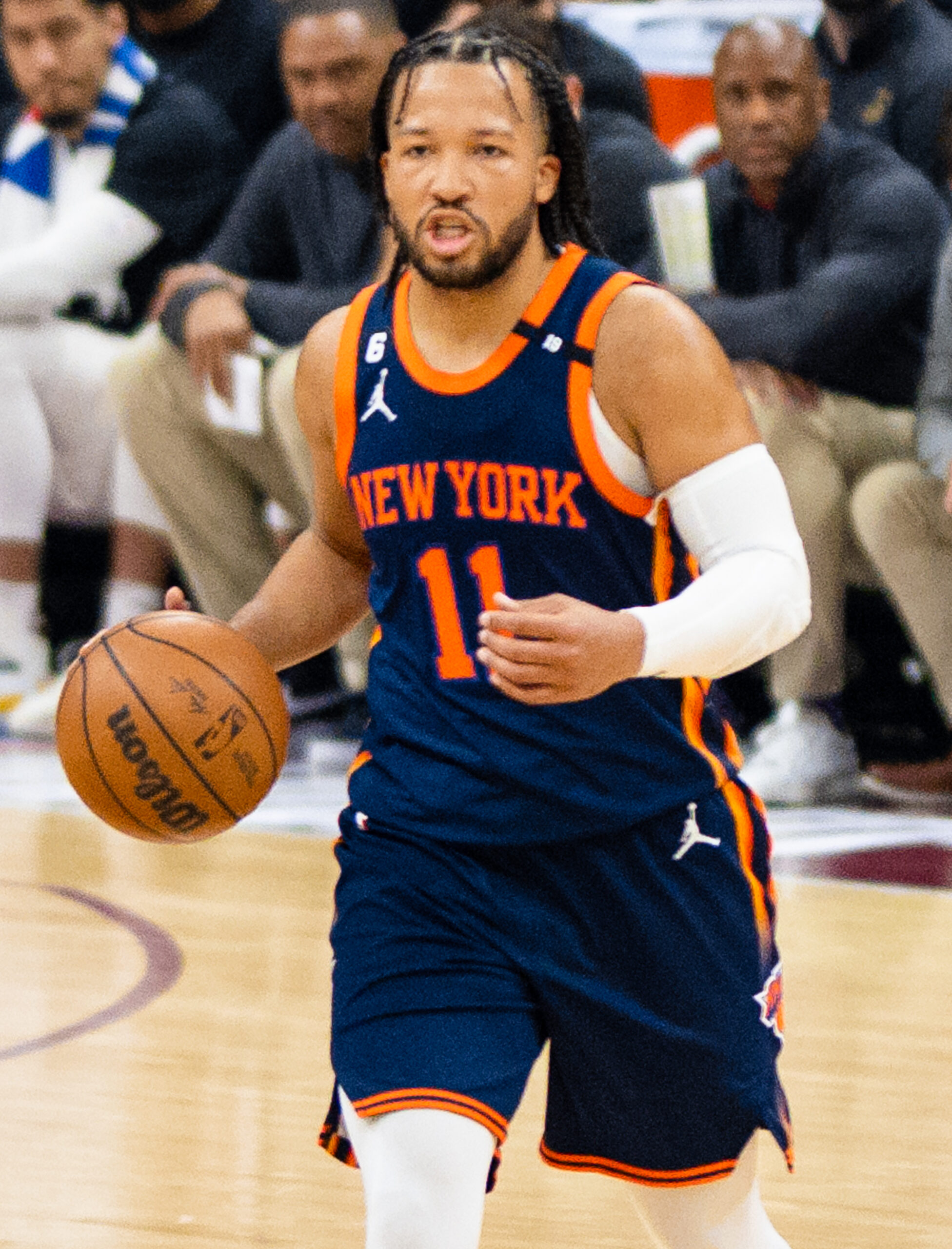
Erik Drost, CC BY 2.0, via Wikimedia Commons Licensed under Jalen Brunson
Sports fans love a player who says the right things. They love loyalty. They love sacrifice. They love the idea that a star cares more about the trophy than the check.
Brunson gave Knicks fans all of that.
When he signed his four-year, $156.5 million extension, he could have waited for a much bigger deal. Instead, he took the smaller number, giving New York more flexibility to keep building around him. At the time, it already looked rare. After the Knicks turned that flexibility into a championship story, it looked legendary.
That is why Brunson is now being treated differently. He is not just the guard who scored, led, and carried. He is the star who gave something up. He is the captain who took less so the team could chase more.
In New York, that kind of move does not fade quietly. It becomes part of the city’s sports mythology. Fans will talk about the number for years. They will bring it up every time Brunson’s name is mentioned among Knicks greats. They will use it as proof that he was not just talented, but different.
But here is the twist: what makes Brunson beloved in New York may make other NBA players nervous.
A Beautiful Story Can Become a Dangerous Standard
Brunson’s decision was personal. It was his money, his career, his trust in the Knicks, and his choice.
But sports rarely allow personal choices to stay personal.
The moment his sacrifice helped produce a win, it became a symbol. And symbols are powerful because people can use them however they want.
Front offices can use Brunson’s name in contract talks. Owners can point to him as proof that stars should “help the team.” Fans can use him as a benchmark for players who ask for every dollar they are eligible to earn. Commentators can turn his deal into a character test.
That is the danger.
A player can walk into a negotiation after years of work, injuries, travel, pressure, playoff criticism, and franchise expectations. He can ask for the max he has earned under the rules. And suddenly, someone across the table can bring up Brunson.
Look what Jalen did.
Look what winning players do.
Look what sacrifice looks like.
That sounds noble when fans say it from the couch. It sounds very different when it is being used to convince a player to give up guaranteed money in a business where loyalty often disappears the moment a trade helps the team.
Fans Will Be Split, and That Is Why This Story Works
This is the kind of debate American sports fans were built for.
One side will say players already make more than enough money. They will argue that if a star truly wants to win, he should not eat up every dollar on the salary cap. They will say Brunson understood something other stars refuse to admit: championships require sacrifice.
And that side has a point. Basketball is not golf. One player cannot win alone. If a superstar takes every possible dollar, the roster around him can get thinner. Depth disappears. Role players leave. The second apron starts squeezing. Suddenly, the star has the money, but the team no longer has the pieces.
Then the other side will fire back just as loudly.
They will say players should take every cent they can, because owners certainly do. They will say no fan would voluntarily give back millions from their own job so their company could hire better coworkers. They will say teams trade players without hesitation, so players should not be shamed for protecting their own futures.
And that side has a point too.
This is what makes Brunson’s story so electric. It does not have one clean answer. It sits right in the middle of the American sports argument: love the jersey, or protect the person wearing it.
The NBA Has a New Loyalty Test

For years, NBA stars have been judged by rings, playoff failures, trade requests, superteams, loyalty, leadership, and legacy. Now Brunson has added another layer.
The discount.
That word may become one of the most uncomfortable words in the league. Because once a discount becomes connected to winning, every expensive star becomes easier to criticize.
A max contract can start looking selfish. A supermax can start sounding like an excuse. A player who wants full value can suddenly be framed as someone who does not care enough about winning.
That is unfair in many cases, but sports have never been fair with narratives.
Brunson is now the example. He is the recipient. He is the name fans can throw into every argument about whether a star is really serious about chasing a championship.
And that pressure will not only hit the biggest names. It can hit second stars, fringe All-Stars, and veterans chasing one last major contract. Everyone can be asked to give a little back once one player proves that the story looks beautiful when it works.
Brunson Won, But Not Every Player Has Brunson’s Situation
This is the part fans cannot ignore.
Brunson’s decision worked because he trusted the Knicks. He had a clear role, a strong relationship with the organization, and a team that used the flexibility well. That matters.
Not every franchise deserves that trust.
Some teams ask players to sacrifice, then waste the savings. Some owners preach winning but protect profits. Some front offices promise loyalty and then trade the same player months later. A discount is only noble when the organization honors its purpose.
That is why Brunson’s choice should be respected, not forced onto everyone else.
He made a bet on New York, and New York rewarded that bet with a winning team around him. That is the dream version. But for another player in another city, taking less could become a financial mistake wrapped in pretty language.
The Debate Is Only Beginning
Jalen Brunson did not just change the Knicks. He changed the conversation.
He proved that a superstar sacrifice can become part of a championship identity. He gave fans a reason to believe team-first basketball still exists. He gave New York a leader who backed up his words with his wallet.
But he also gave the rest of the NBA a problem.
From now on, every major contract conversation can carry Brunson’s shadow. Every star who demands full value may hear his name. Every fan base chasing a title may wonder whether its best player should do the same.
That is the cost of becoming the perfect example.
Brunson’s $113 million decision is now bigger than Brunson. It is bigger than the Knicks. It has become a battle over money, loyalty, winning, and what fans believe athletes owe to the teams they represent.
And in a league where legacy is measured in rings, contracts, loyalty, and criticism, Jalen Brunson may have just made the next NBA superstar negotiation a lot more personal.