Local Food Business Models Are Quietly Reshaping the Future of Food Systems
Why local food is no longer just “farm to table”
Local food is no longer a niche idea reserved for farmers’ markets or small community initiatives. It is becoming a structured economic system that connects producers, consumers, and institutions in ways that challenge traditional industrial supply chains.
Research published in journals such as Frontiers in Sustainable Food Systems shows that local food business models are evolving into integrated frameworks in which economic survival, environmental responsibility, and social value operate together rather than separately.
At the center of this shift is a simple idea with complex execution: food is not just a product, it is a system of relationships.
The real engine behind local food systems: why producers get involved
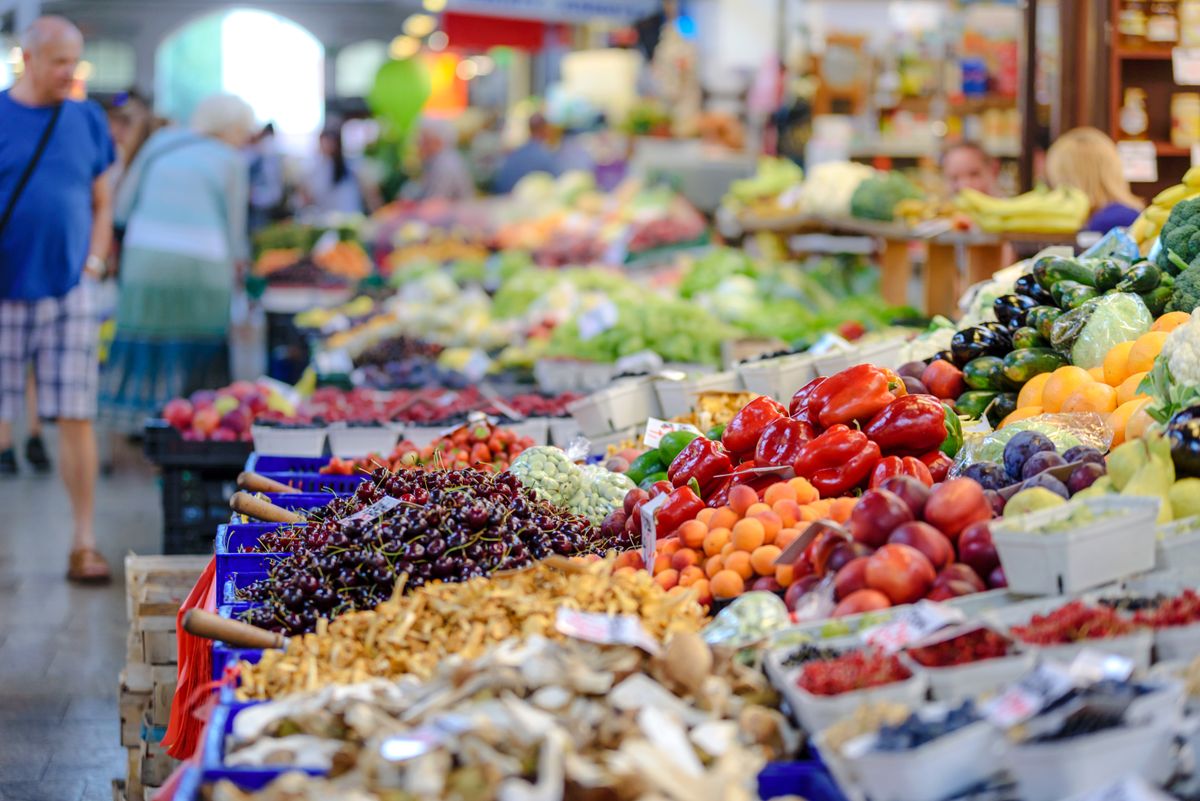
Local food systems are driven by more than profit. While economic survival remains important, producers increasingly describe a mix of motivations that shape how they design their businesses.
For many, independence from industrial supply chains is a major driver. Large food systems often limit control over pricing, production methods, and long-term stability. Local models offer a way to regain that control.
But economics is only one part of the story.
Environmental concerns are increasingly shaping decisions, from reducing food waste to lowering emissions tied to long-distance transport. Social motivations also matter, especially the desire to strengthen local communities and preserve cultural food traditions. Many producers also point to something less measurable but equally powerful: personal fulfillment and pride in producing food that feels meaningful and recognized.
These motivations rarely exist in isolation. Instead, they form a balancing act where financial survival, environmental care, and community responsibility constantly interact. Producers deeply embedded in their local environment tend to place even greater emphasis on sustainability, showing how proximity powerfully shapes priorities.
What makes local food valuable goes far beyond the product itself.
The value of local food is not defined by a single factor. It is built through layers of meaning that include geography, identity, trust, and experience.
Close proximity, real relationships
One of the strongest elements of local food systems is proximity. When consumers know who grows their food, the transaction becomes personal. Buying food is no longer anonymous; it becomes a relationship.
This closeness builds trust. It also allows consumers to understand how food is produced, where it comes from, and what values sit behind it.
Place matters more than ever.
Local food is deeply tied to place. Even when products travel far beyond their origin, they carry regional identity with them. This ‘place-making’ effect allows food to represent culture, heritage, and agricultural tradition.
In many cases, consumers are not just buying food. They are buying a story about a place.
Who actually buys local food is more complex than it looks.
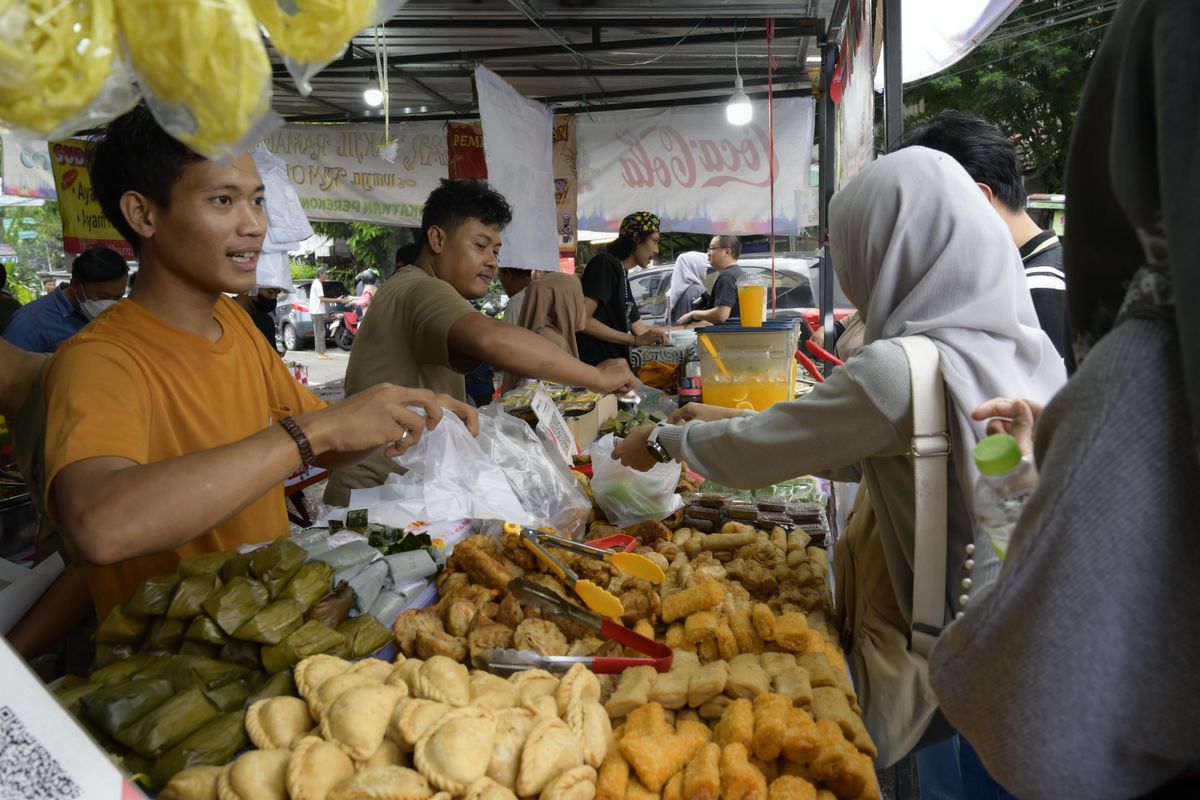
Local food customers are not a single group. They are a mix of individuals and institutions with different needs and expectations.
Households looking for fresh, trustworthy food remain the core base. Restaurants and hotels use local sourcing to enhance menu quality and storytelling. Specialty retailers position local products as premium offerings tied to origin and authenticity.
At the same time, cooperatives and community-based purchasing groups are growing, reflecting shared buying power and collective values. Public institutions such as schools and healthcare facilities are also increasingly important customers, integrating local food into broader nutrition and procurement strategies.
The result is a diverse and expanding ecosystem of demand that supports multiple business pathways.
The hidden workload behind local food production
Local food systems are not just about farming. They are complex operations that combine production, logistics, marketing, and customer engagement.
At the core is farming and processing food into consumable products. But behind that sits a wide range of supporting work that often goes unnoticed.
Producers must also handle branding, sales, packaging, transport, payment systems, and demand planning. Many also expand into tourism, education, and cultural experiences, turning farms into multifunctional businesses.
This shift creates opportunity, but also pressure. Many producers find themselves spending as much time on marketing and logistics as on actual production.
Why resources decide who survives and who scales

Local food systems depend on a mix of physical, financial, human, and social resources.
Access to land and infrastructure is essential, especially near urban markets where demand is concentrated. Financial capital supports equipment, expansion, and operational stability. Human labor is often a mix of family work and small teams, reflecting the scale and structure of these businesses.
But one of the most powerful resources is social capital. Networks of trust, partnerships, and community relationships often determine whether a local food business can grow sustainably.
In many cases, relationships matter more than infrastructure.
How local food actually reaches consumers
Local food moves through several distribution systems, often working in combination rather than isolation.
Direct producer-to-consumer channels include farm shops, farmers’ markets, subscriptions, and online sales. These create strong relationships but require high effort and coordination.
Buyer-led channels include restaurants, hotels, cooperatives, and specialty retailers. These expand reach but reduce direct interaction.
Distributor-led systems rely on intermediaries such as wholesalers and food hubs. These improve efficiency and scale but can weaken the connection between producer and consumer.
Most successful businesses combine all three, balancing control, reach, and relationship depth.
This cycle explains why local food systems evolve continuously. They are shaped as much by consumer behavior as by production decisions.
Where innovation in local food is actually happening
Innovation is not limited to technology. In local food systems, it is happening across business structure, community design, and distribution models.
Digital platforms are making direct sales easier. Circular economy practices are reducing waste and improving resource efficiency. Cooperative models are giving producers shared power in markets. Territorial branding is helping regions turn identity into economic value.
The real innovation is not just how food is produced, but how trust, value, and relationships are structured.
Why scaling local food is not about going bigger
Scaling local food systems does not mean becoming industrial. It means expanding networks without losing identity.
Successful models maintain strong producer identity, diversify distribution without fragmentation, stay deeply connected to local ecosystems, and adapt to changing consumer expectations.
Growth works only when trust scales alongside operations.
The bigger picture: what local food really represents
Local food business models are not just about agriculture. They represent a shift in how value is defined in modern economies. Food serves as a connector among environment, culture, and commerce.
What is emerging is not a trend but a restructuring of how food systems operate at the local and global levels.