Iranian Fans, Lion-and-Sun Flags, and FIFA’s Control Problem at SoFi Stadium
A World Cup Match That Refused to Stay About Football
The scoreboard showed a 0-0 draw between Belgium and Iran, but the real story at SoFi Stadium was not the result. Lion-and-Sun flags appeared repeatedly across the crowd, directly challenging FIFA’s restrictions on political symbols and setting up the match as a test of control as much as football.
What should have been a disciplined Group G encounter quickly became more layered. Iran defended with structure and patience against Belgium, but the stands turned the match into a second contest over identity, politics, and symbolism.
By the final whistle, the draw felt secondary. SoFi Stadium had already become the clearest example of how a football match can expose the limits of regulation in global sport.
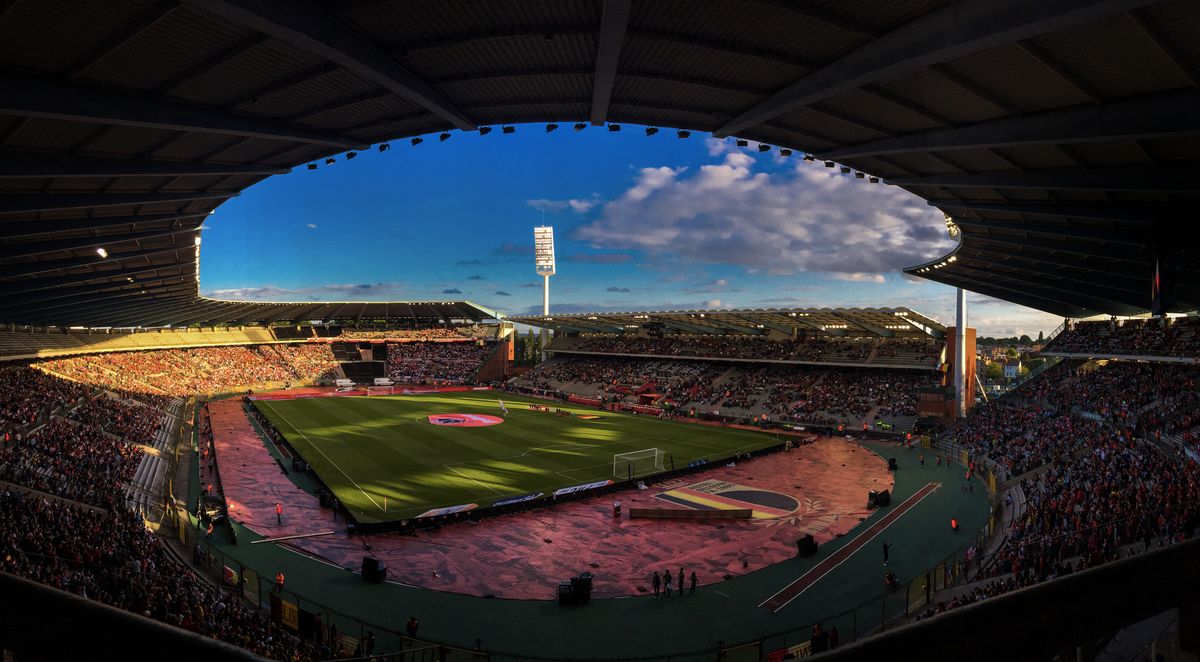
FIFA Rules Meet a Crowd That Refuses to Be Neutral
FIFA’s regulations on political messaging are clear in principle. Flags, banners, or symbols that carry political meaning are restricted to preserve neutrality in stadiums. In practice, enforcement depends on timing, crowd density, and what enters the venue after security screening, making the rule itself only part of the story.
At SoFi Stadium, that gap between policy and reality became visible almost immediately. Reports indicated heightened screening at entry points, with staff attempting to prevent banned symbols from reaching seating areas. Yet once inside, enforcement became difficult. Flags distributed among thousands of spectators could not be easily tracked or removed without escalating confrontation.
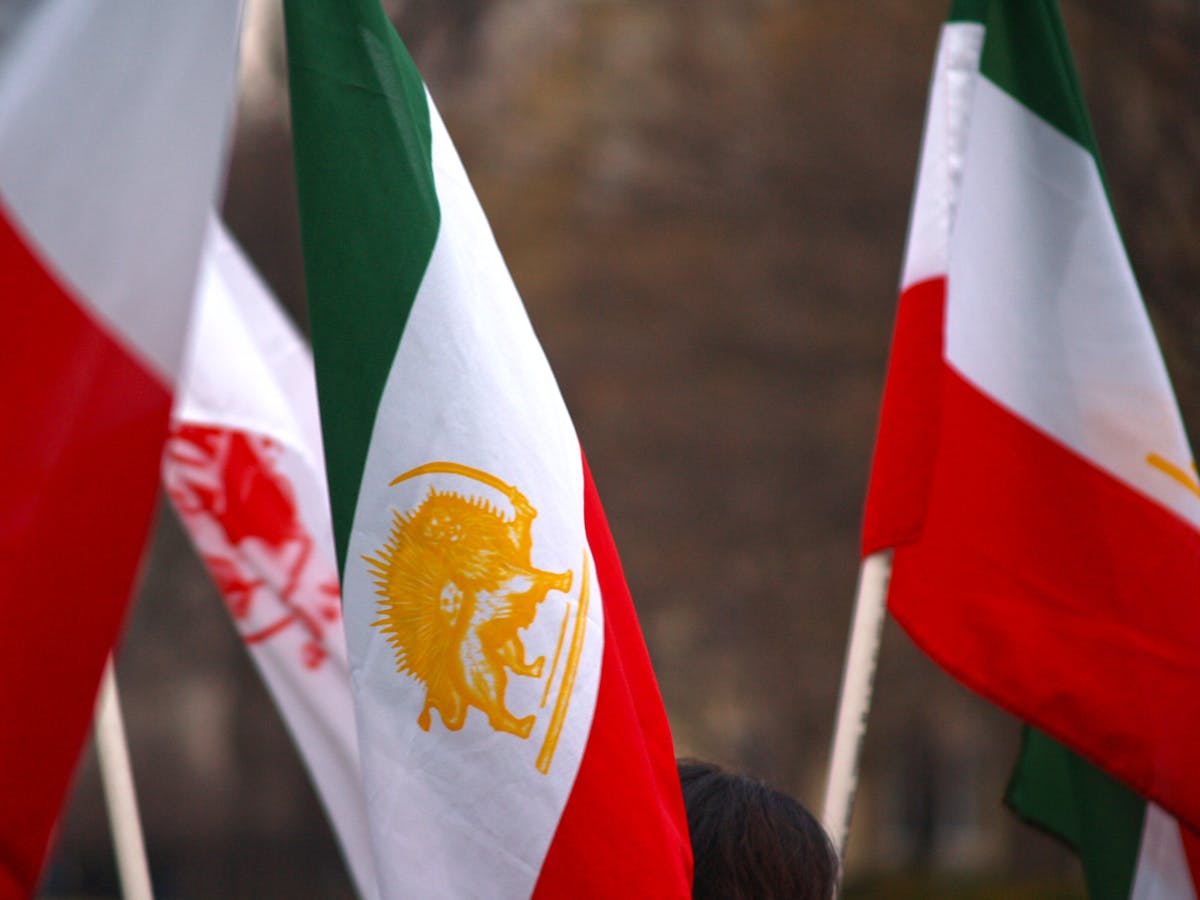
The result was not silence, but repetition. The Lion-and-Sun flag, a symbol tied to Iran’s pre-revolutionary identity and widely associated with opposition sentiment in diaspora communities, appeared throughout the stands. Each appearance reinforced the same contradiction: a rule designed to suppress political expression was colliding with a crowd determined to express it anyway.
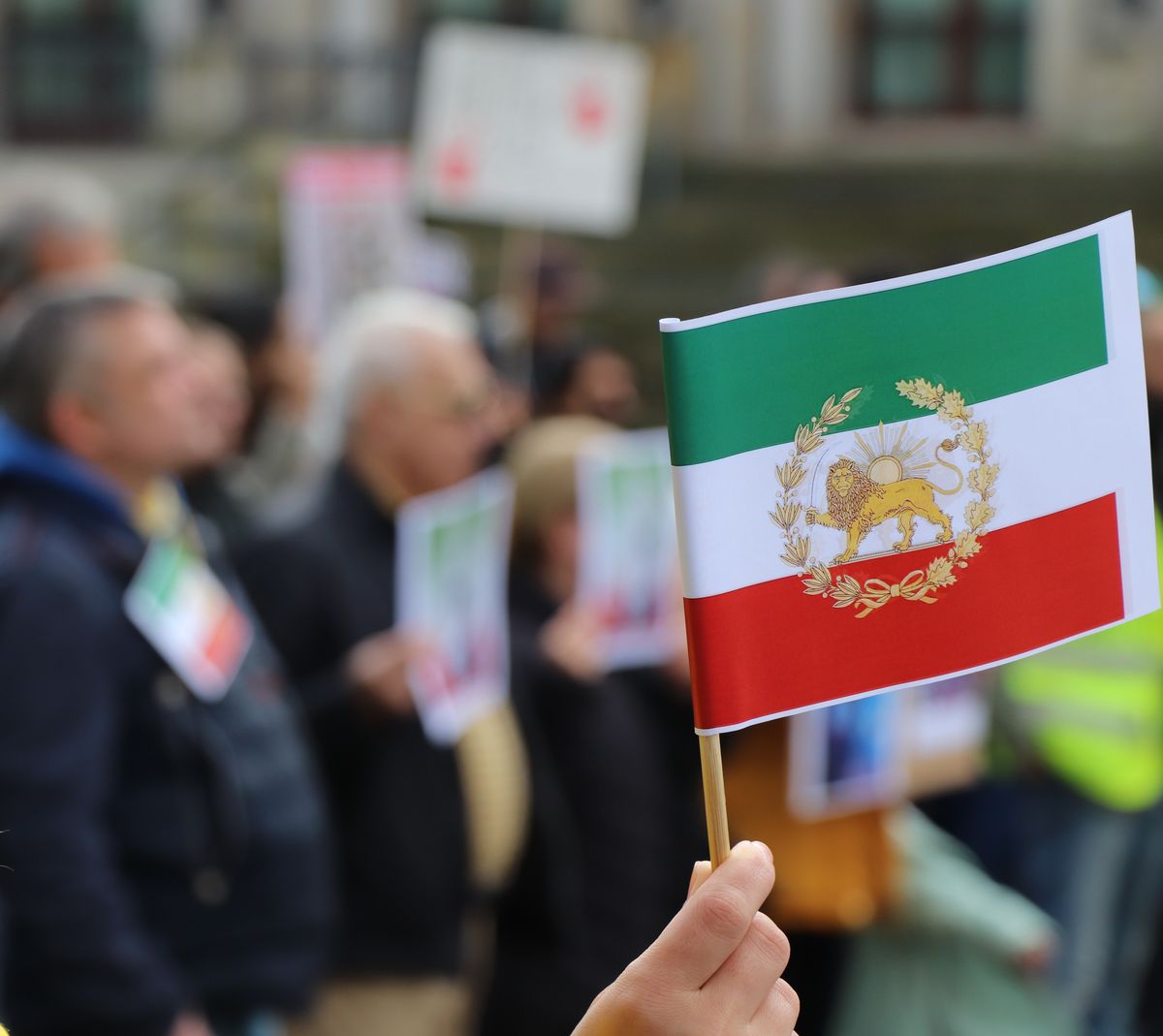
SoFi Stadium as a Pressure Point, Not Just a Venue
SoFi Stadium is built for control. As one of the most technologically advanced stadiums in the United States, it uses layered security systems, controlled entry zones, and extensive surveillance infrastructure. On paper, it should be the kind of environment where FIFA regulations are easiest to enforce.
That made the visual contradiction so striking. Despite the infrastructure, the symbols still spread. Despite the screening process, the flags still appeared. The stadium did not fail as a venue, but it exposed the limits of what even high-level security architecture can realistically control once a match begins.
This tension matters because it reframes the issue. The question is not simply whether one crowd bypassed a rule, but how modern sporting environments struggle to regulate meaning once thousands of individuals carry it inside at once.
A Divided Diaspora Turns a Match Into a Political Mirror
The atmosphere inside the stadium was shaped by its location. Los Angeles is home to one of the largest Iranian diaspora communities in the world, and that presence was reflected in the crowd composition. This was not a neutral audience observing a distant team. It was a politically and emotionally layered gathering with competing interpretations of the same national identity.
For some fans, the Lion-and-Sun flag represents cultural memory and a pre-revolutionary version of Iran. For others, it signals opposition to the current government. For many, it exists somewhere in between, carrying emotional weight that does not fit neatly into political categories.
That fragmentation turned the stands into something more complex than a typical away-support section. It became a visible argument conducted through symbols, chants, and reactions, with no single narrative dominating the entire stadium.
Anthem Reactions Escalate the Emotional Temperature
Before the match had fully settled into rhythm, another flashpoint emerged. When the anthem of the Islamic Republic of Iran played, parts of the crowd responded with loud boos. The reaction added intensity to the atmosphere, setting this match apart from standard international fixtures, where anthem moments are usually respectful or subdued.
This was no longer just about flags. It was about direct emotional expression in real time. The anthem reaction turned the stadium into a space where political sentiment was audible, not just visible.
That shift matters because it expands the scope of what FIFA must now manage. Flags can be regulated at entry points. Crowd reactions cannot. Once inside the stadium, emotion becomes part of the broadcast whether organizers intend it or not.
Belgium, Iran, and the Match That Got Overshadowed
On the pitch, Belgium struggled to break through Iran’s disciplined structure. The match included key turning points, including a second-half red card that reduced Belgium to ten men. Iran’s goalkeeper delivered a composed performance, producing crucial saves that preserved the clean sheet.
There were also moments when Iran threatened to change the result entirely, including a disallowed first-half goal for offside. These incidents would normally define the narrative of a standard group-stage match.
Instead, they were absorbed into a larger story that stayed in the stands. The football remained competitive, but it was no longer the dominant frame through which the event was understood.
A Repeat Pattern That Signals a Larger Challenge
This was not an isolated moment. Similar scenes of flag displays and crowd defiance have been reported in previous matches involving Iran during the tournament. That repetition changes the meaning of the incident at SoFi Stadium.
It suggests an ongoing cycle rather than a one-time breach. Increased screening leads to continued attempts. Continued attempts lead to greater visibility. Greater visibility leads to stronger reactions from officials, which in turn reinforces the symbolic importance of the act itself.
The result is an escalating loop where enforcement and defiance feed into each other, rather than resolving the issue.
Digital Amplification Extends the Stadium Beyond Its Walls
What happens inside the stadium no longer stays inside it. Video clips, fan recordings, and broadcast snippets circulate rapidly across social platforms, turning visual moments into global narratives within minutes.
That amplification effect increases the stakes of every visible symbol. A flag in one seating section can become a worldwide talking point. A reaction in the crowd can become the defining image of the match. Security responses themselves become part of the story once they are recorded and shared.
In that environment, control is no longer only about what happens inside the stadium. It is also about what the internet chooses to amplify.
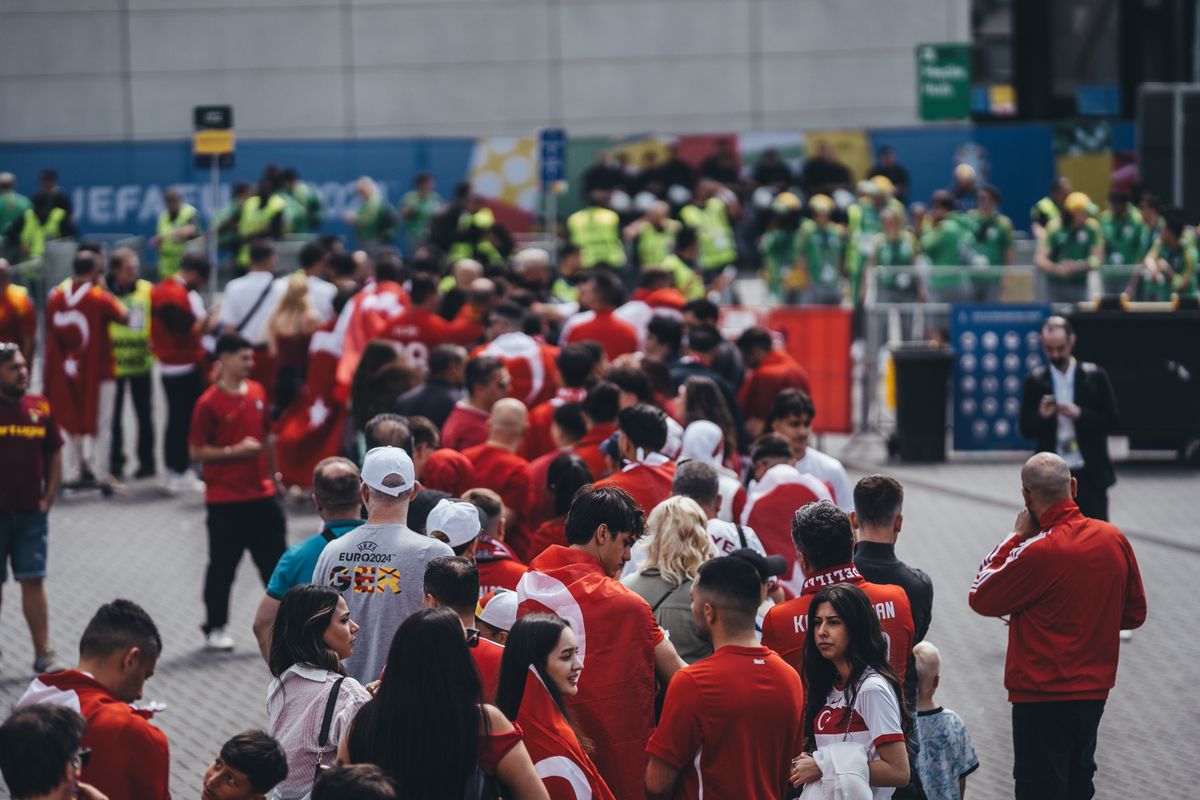
A 0-0 Draw That Carried a Much Larger Meaning
When the match ended, Iran walked away with a valuable point in Group G. Belgium left frustrated by missed opportunities and a red card that shifted momentum. On paper, the football result was the simplest part of the night.
Everything surrounding it was more complex. SoFi Stadium became a space where global sport collided with political symbolism, diaspora identity, and regulatory limits, and the Lion-and-Sun flags remained central to how the match was remembered.
What emerged was not just a debate over FIFA rules. It showed how modern football stadiums function as stages for far more than sport. In this case, the game could be measured in goals, but the night itself was measured in meaning.