Study Reveals Why Most People Don’t Survive Emergencies, and It Comes Down to These 5 Rules
When disaster strikes, most people assume survival depends on strength, money, or access to technology. Research and emergency preparedness studies suggest something very different.
Survival in the first critical hours is driven by behavior, not status. How people think, act, and organize themselves often determines outcomes long before external help arrives.
During major emergencies in the United States, from hurricanes and floods to winter storms and wildfires, agencies such as the Federal Emergency Management Agency and the Centers for Disease Control and Prevention consistently emphasize one truth: the first 72 hours are the most decisive period.
In many events, outside assistance may take time to reach affected areas, especially when infrastructure is damaged or access roads are blocked. This is why five survival rules continue to appear across official guidance, disaster research, and real-world response patterns.
The First 72 Hours Shape Survival Outcomes More Than People Expect
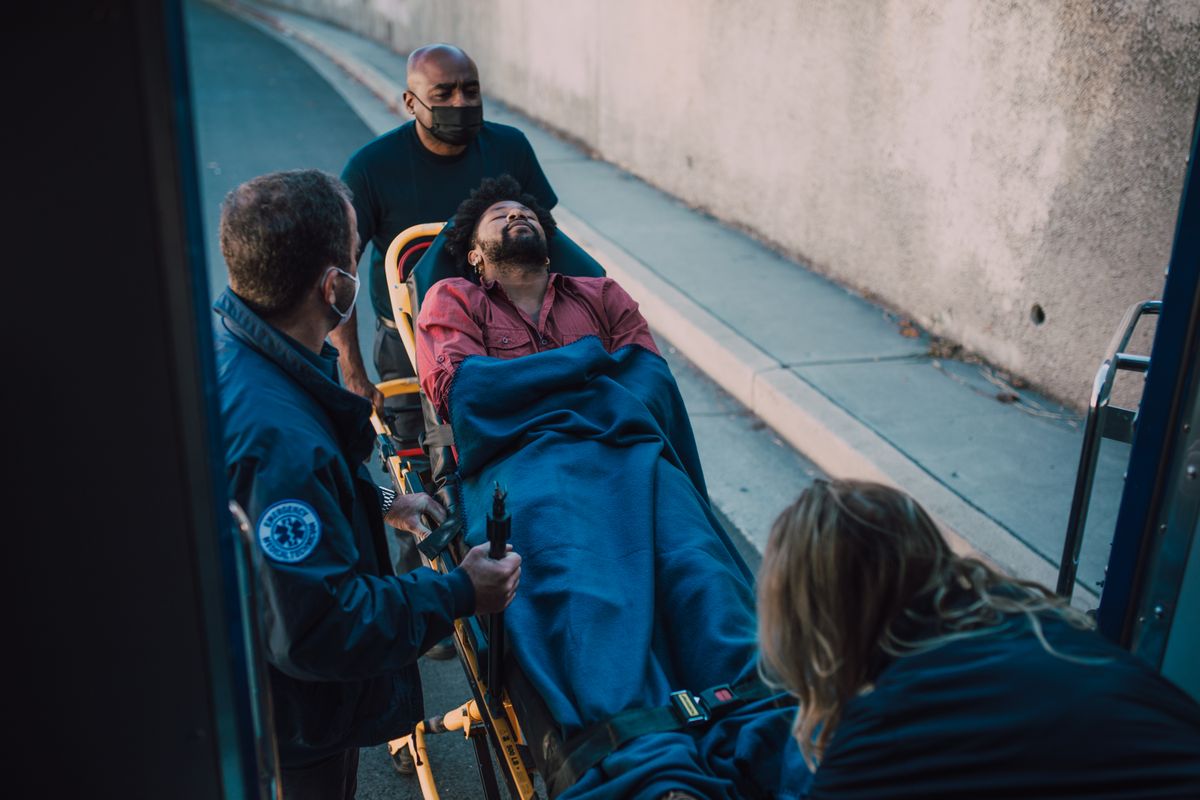
Emergency research consistently shows that the early phase of a disaster is when the most critical decisions are made. The Centers for Disease Control and Prevention notes that confusion, stress, and lack of clear information are common immediately after a crisis begins. This is also when people are most likely to make impulsive decisions that increase risk.
The first survival principle is maintaining control under pressure. Behavioral studies in emergency psychology show that panic reduces cognitive processing, making it harder to evaluate risk accurately.
This is why people may leave safe shelter too early, underestimate hazards, or rely on unverified information during fast-moving events. In real disaster scenarios, those who pause and assess conditions tend to make safer decisions.
The Federal Emergency Management Agency highlights that staying informed and following official instructions significantly improves safety during evacuations and shelter-in-place orders. The ability to slow down decision-making, even briefly, can prevent avoidable harm.
Water Access Is the Most Critical Survival Factor in Any Emergency
Among all survival resources, water is the most time-sensitive. The CDC and National Academies of Sciences confirm that humans can survive for several weeks without food but only a few days without water, depending on temperature, health, and activity level. In extreme heat conditions, that window becomes even shorter.
This is particularly important in regions with high temperatures or infrastructure strain. Water systems can fail due to frozen pipes, power outages affecting treatment facilities, contamination events, or supply chain disruptions. When this happens, bottled water often becomes the first essential item to disappear from stores.
Emergency preparedness guidelines recommend storing at least one gallon of water per person per day for several days of disruption. This is not only for drinking but also for basic hygiene and cooking. In large-scale emergencies such as hurricanes or regional flooding, water distribution points may take time to establish, making early household preparation essential.
Historical disaster data from FEMA shows that water shortages are among the most common secondary issues following major storms. This reinforces the importance of securing clean water before any other non-essential supplies.
Information Control Determines Whether Decisions Are Safe or Risky
During emergencies, misinformation spreads rapidly through social media, messaging apps, and informal networks. Research from the Pew Research Center shows that a significant portion of Americans have encountered false or misleading information during major public events, including natural disasters.
The danger of misinformation is not just confusion. It can directly influence behavior. False reports about road closures, shelter availability, or resource shortages can cause unnecessary movement, overcrowding, or panic buying. These behaviors often increase risk rather than reduce it.
Emergency management agencies consistently recommend verifying information through multiple reliable sources. These include local government alerts, weather service updates, utility company notifications, and established news organizations. Acting on a single unverified claim increases the chance of error.
In disaster response studies, incorrect early decisions based on misinformation are linked to avoidable exposure to hazards. This is why information discipline is treated as a survival skill, not just a communication habit.
Community Networks Improve Survival Capacity During Disruption
Research in disaster sociology shows that communities with stronger social ties recover faster and experience fewer long-term disruptions. A widely cited finding from the National Academies highlights that social support systems often play a critical role in emergency resilience.
In practical terms, neighbors often become the first line of assistance when formal response systems are delayed. They check on vulnerable individuals, share resources, provide transportation, and coordinate local information. This becomes especially important when communication networks are unstable or overwhelmed.
During large-scale events such as hurricanes or winter storms, emergency services may prioritize life-threatening situations first. This creates gaps where community support becomes essential. Households that already know their neighbors are better positioned to respond quickly and effectively.
Preparedness programs often encourage simple actions such as exchanging contact information, identifying vulnerable residents, and discussing basic emergency plans in advance. These small steps significantly improve coordination when conditions deteriorate.
Practical Skills Become More Valuable Than Resources During System Failure
Another consistent finding in emergency studies is that usefulness becomes more important than possessions during disruption. Skills such as first aid, safe water handling, basic repairs, food preparation without electricity, and communication management often determine how well individuals adapt.
The American Red Cross emphasizes basic preparedness skills as a core part of household readiness. These include knowing how to shut off utilities, treat minor injuries, and maintain safe shelter conditions during outages. These actions reduce dependence on external systems during the early phase of a crisis.
Economic research on disaster recovery also shows that households with adaptable skills experience fewer losses and recover faster. The reason is simple. When systems slow down, people who can solve immediate problems reduce damage and avoid unnecessary costs.
This is not about extreme survival scenarios. It is about practical resilience in the face of common disruptions such as power outages, transportation delays, and temporary supply shortages. These events are increasingly frequent in many regions due to weather volatility and infrastructure strain.
Why These Five Rules Continue to Appear Across Emergency Research
Across multiple agencies and research institutions, the same patterns repeat. Survival outcomes improve when individuals remain calm, secure water early, verify information, rely on trusted social networks, and apply practical skills.
The NOAA National Centers for Environmental Information reports that the United States has experienced more frequent billion-dollar weather and climate disasters in recent years than in previous decades. This trend increases the importance of household-level preparedness rather than relying only on large-scale response systems.
At the same time, FEMA preparedness frameworks emphasize that individuals and families play a central role in reducing risk during the first 72 hours. This period often determines whether a situation remains manageable or escalates into crisis conditions.
What Happens Next Is Determined Before the Next Emergency Arrives
Preparedness does not begin during a storm warning or evacuation order. It begins during normal days when households decide whether to plan ahead or wait for urgency to force action.
Building a basic 72-hour readiness plan is one of the most effective steps a household can take. This includes water storage, non-perishable food, backup lighting, communication plans, medication awareness, and basic emergency tools. These measures are recommended across CDC, FEMA, and Red Cross guidance.
The most important insight from disaster research is simple. Emergencies not only test resources. They test behavior. Households that prepare early, think clearly, and rely on verified information consistently perform better during disruption.
Why It Matters in Everyday Life
These survival rules are not only relevant during major disasters. They also apply to everyday disruptions such as power outages, transportation delays, severe weather events, and supply shortages.
Each situation tests the same core abilities: calm thinking, resource awareness, information discipline, and community support.
The key takeaway from decades of research is that survival is rarely random. It is shaped by preparation and behavior long before danger arrives. The households that understand this do not wait for certainty. They build readiness into normal life, so when uncertainty comes, decisions are already clear.
In the end, survival is less about reacting to chaos and more about reducing it before it begins.