The strict McDonald’s rules that employees are expected to follow behind the counter
From the customer’s view, a McDonald’s meal seems simple, but behind the counter, things move quickly and with purpose.
Fries are timed, burgers follow a set order, and the drive-thru has its own safety rules. Even employee discounts have restrictions. While customers see McDonald’s as a quick place for coffee or a meal, employees work in a fast-paced system focused on repetition, speed, cleanliness, and consistency.
Most customers never see this side. McDonald’s is more than just a kitchen; it runs like a machine. Everyone on shift has a part, from the teenager taking orders after school to the manager overseeing things during busy times.
Like any machine, it depends on rules to keep working.
Handwashing is not treated as a suggestion
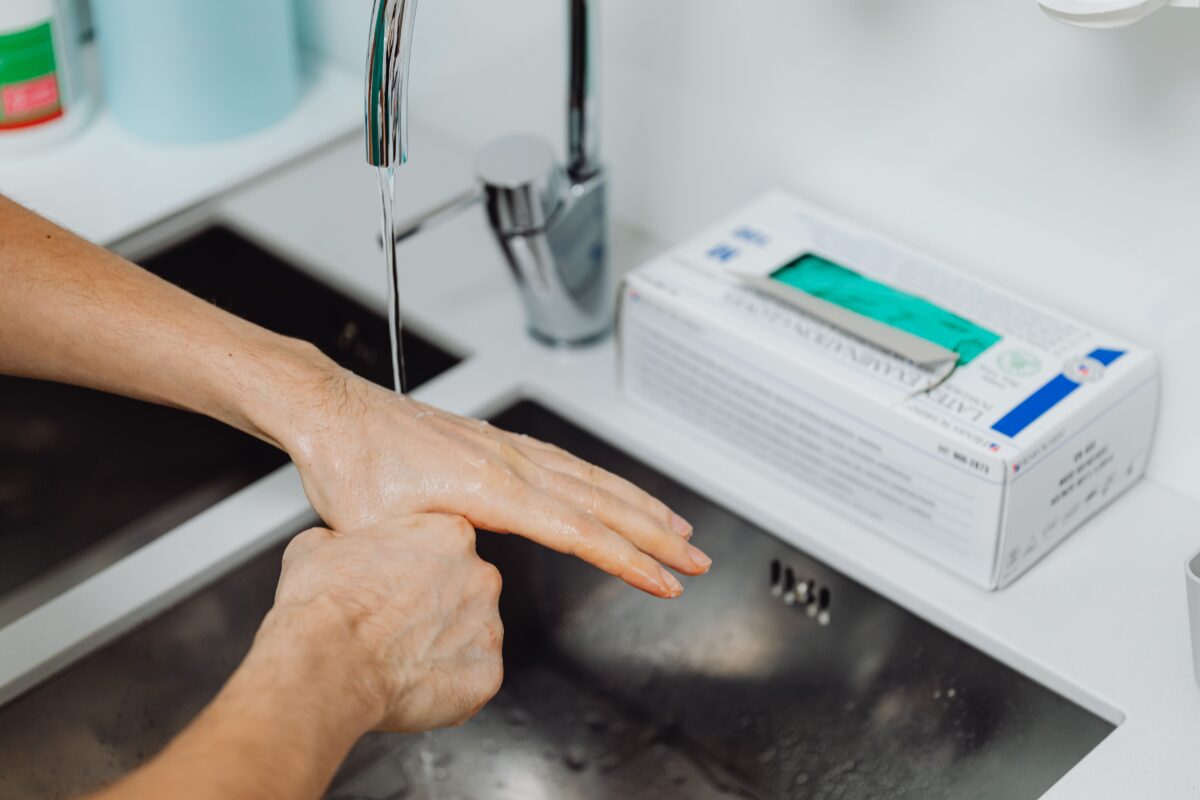
One of the most important rules inside a McDonald’s kitchen is also one of the simplest: workers handling food are expected to wash their hands regularly.
It might seem obvious, but in a place serving hundreds or thousands daily, handwashing is a key part of the job.
Workers move between registers, fryers, drink machines, prep areas, packaging, and cleaning. Each area is a chance for germs to spread if hygiene is not followed.
This rule may not be exciting for workers, but it is essential for food safety. Most customers do not think about it when eating, but fast food relies on trust.
People want their food to be fast, hot, and safe. Regular handwashing helps keep that promise. built the right way
A Big Mac is more than just its ingredients. At McDonald’s, the order in which they go is important.
This is why a burger from one McDonald’s should taste the same as one from another, even far away. The cheese, sauce, pickles, patties, and bun are put together in a set way, not just by guesswork.
Employees learn to put menu items together in a certain way so customers get the taste and texture they expect from McDonald’s.
It might seem minor, but in fast food, small details matter. If something is out of place, regular customers might notice before the staff does. McDonald’s is not just selling food; it is selling consistency.
Employees cannot treat discounts like family coupons
Getting meals and discounts is a nice perk for fast food workers, especially for younger staff or those on long shifts. Still, there are usually limits to these benefits.
Most locations do not let employees share their discounts with friends, family, or others ordering with them. The reason is clear: if discounts are shared, they can be misused.
To customers, sharing a discount might seem harmless. For the business, though, it is seen as misuse of a benefit. In some places, giving away food or misusing discounts can lead to discipline or even losing your job.
The drive-thru is for vehicles, not pedestrians
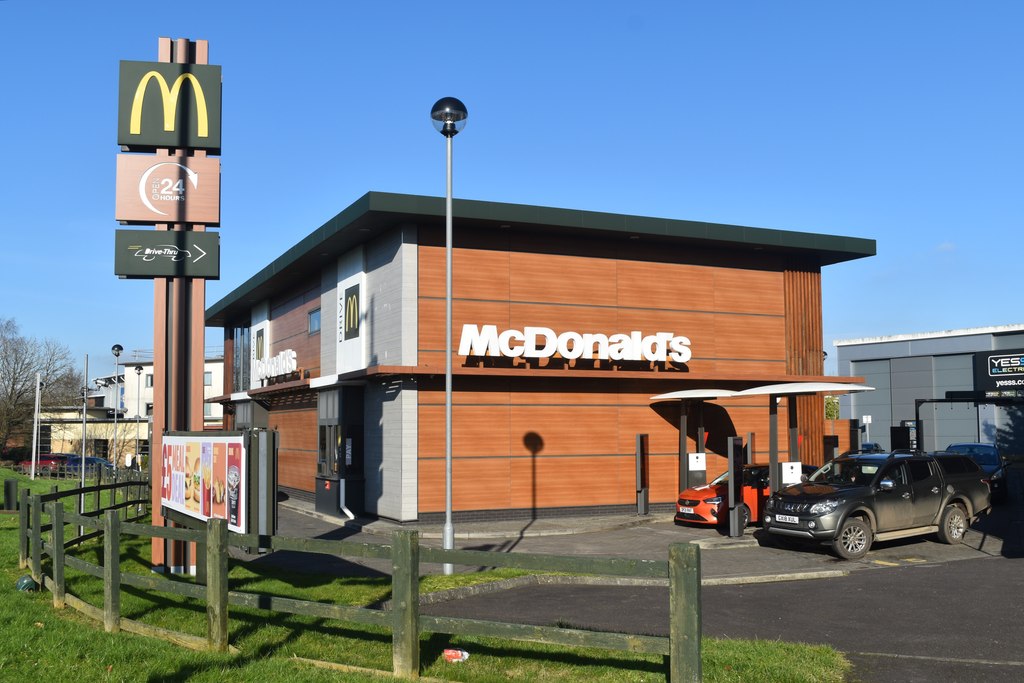
The drive-thru often feels like the quickest way to get food, especially late at night when the dining room is closed. Still, walking through the drive-thru is usually not allowed.
This rule is not about making things hard for customers; it is about safety. Drive-thru lanes are built for cars, not people. Having someone on foot there is risky for everyone.
It may be frustrating for someone without a car, but employees are usually expected to refuse service to walk-up customers in the drive-thru lane. The rule protects workers as much as it protects the person trying to order.
Appearance still matters in a franchise world
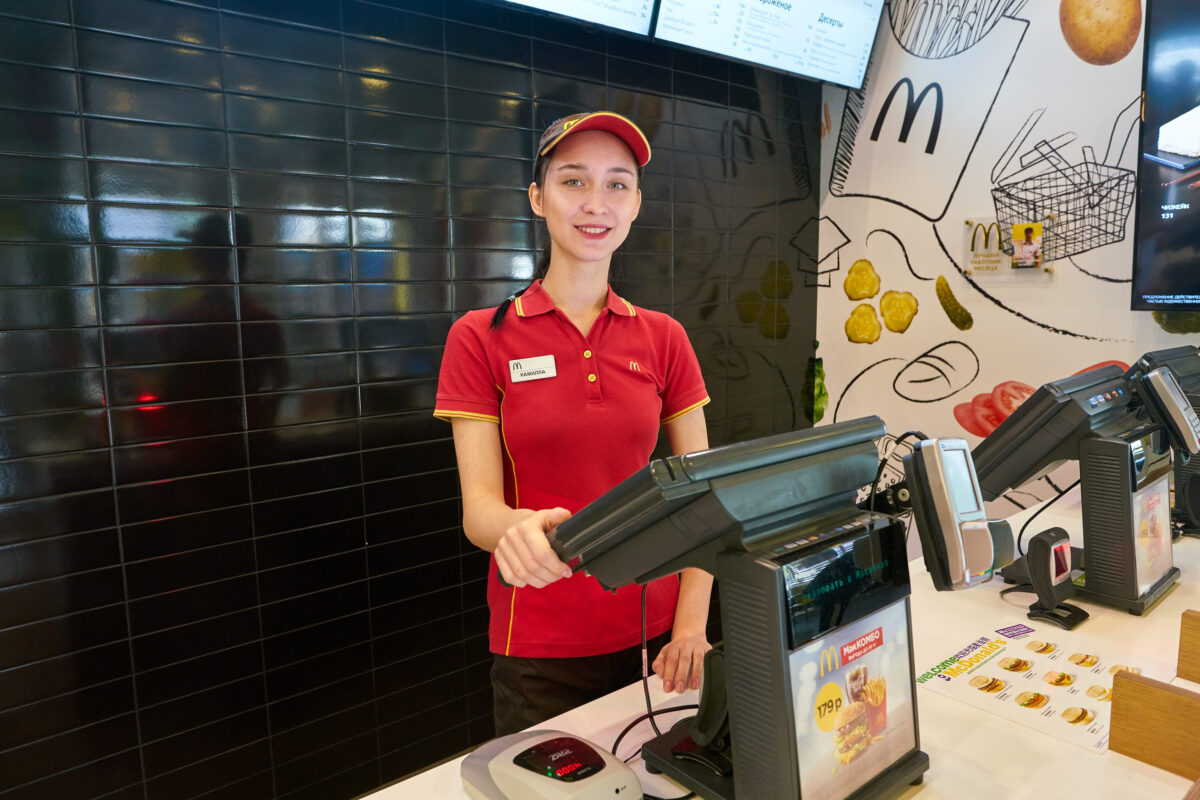
Many McDonald’s locations are run by independent owners, so some policies can vary. Even so, appearance standards are still a big part of the job.
Clean uniforms, proper hats or hair restraints, limited jewelry, and neat grooming are expected in fast food. These details help customers feel confident about their food.
When the crew looks clean, it suggests the kitchen is organized. Messy uniforms or sloppy appearance can give the wrong impression, even if the food is made properly.
This rule is about both branding and food safety. For example, hair restraints are not just for looks—they help keep food clean.
Monopoly games and promotions have limits
McDonald’s promotions are fun for customers, but employees are usually not allowed to participate in certain prize games.
This rule makes sense because workers have access to packaging, game pieces, and areas customers do not see. Even if employees mean well, letting them play could seem unfair.
McDonald’s Monopoly has a history. The game became famous for a big fraud scandal involving people outside the restaurant who got winning pieces from a marketing vendor.
Since then, it is not surprising that there are strict rules about employees joining in.
When prizes are at stake, companies want a clear line between those running the promotion and those playing.
Workplace gossip can cross a line
Every workplace has some gossip, and fast-food restaurants are no different. Still, McDonald’s expects employees to treat each other with respect.
This means avoiding harassment, discrimination, retaliation, and anything that makes the workplace uncomfortable. Gossip might seem small, but rumors can quickly make work unpleasant.
Morale is important in a busy restaurant. If workers do not trust each other, the whole shift can feel harder.
It is important to note that talking about work conditions, safety, schedules, or pay is not the same as gossip. In the U.S., employees usually have the right to discuss their pay and working conditions.
A rule against gossip is not the same as stopping workers from talking about their pay.
Holiday availability may be part of the job
McDonald’s does not disappear. McDonald’s is often open on holidays. Some places close for big celebrations, but many stay open, especially where travelers, shift workers, or people looking for a quick meal need service. They are asked to work on days when much of the country is at home. For some workers, holiday shifts are frustrating. For others, they can mean extra pay, quiet hours, or a chance to earn money when they do not have other plans.
This is part of working in restaurants. The busiest or least convenient days for staff are often when customers need them most.
The real rule is consistency
On their own, these rules might seem like a random mix: wash your hands, build burgers the right way, do not walk up to the drive-thru, use discounts properly, keep uniforms clean, avoid gossip, and follow promotion rules.
But together, these rules show how McDonald’s became what it is today.
McDonald’s success comes from its size. Whether you are in Ohio, California, Florida, or another country, you can expect a similar experience.
That is not by accident. It is because employees follow systems, even if they seem small or strict.
For customers, a meal might last ten minutes. For employees, every order is part of a bigger routine. The beeps, timers, uniforms, scripts, handwashing, and burger building all work to keep the experience consistent.
That is the hidden world. That is the hidden side behind the counter. McDonald’s sells convenience, but employees follow a set of rules. Whether customers notice or not, those rules help keep the Golden Arches running.