The Winter Storm Mistake Too Many Families Make Before the Snow Even Starts
A winter storm does not have to be historic to turn life upside down.
Sometimes it starts with a forecast that sounds manageable. A few inches of snow. Some ice overnight. Maybe strong winds by morning. Then the power flickers, the roads freeze, the heat struggles, the driveway turns slick, and the simple plan to “wait it out” suddenly feels dangerously thin.
That is the real problem with winter storms. They do not arrive as one crisis. They arrive as a pileup.
Snow becomes ice. Ice brings outages. Outages threaten heat. Cold threatens pipes. Roads trap drivers. Dead phones cut off updates. A routine winter day can become an emergency before many families realize they are already behind.
Winter Storm Preparedness Starts Before the Panic Shopping

Most people know the familiar pre-storm rush: bread, milk, eggs, batteries, and whatever is left on the shelf. But smart winter storm preparedness is not really about buying random supplies at the last minute.
It is about knowing how your home, car, family, pets, and medical needs will hold up if the weather traps you for a few days.
That means we need more than snacks. We need drinking water, shelf-stable meals, flashlights, extra batteries, phone power banks, blankets, medications, baby supplies, pet food, a manual can opener, first-aid supplies, and a way to receive emergency updates if cell service weakens.
The best emergency kit is not the one buried in a closet under holiday decorations. It is the one everyone in the house can actually find in the dark.
The Forecast Words We Should Not Ignore
Winter weather alerts are easy to scroll past because they sound familiar. Watch. Warning. Advisory. Blizzard. Extreme cold. Ice storm. They blur together until one of them affects your street.
A winter storm watch means severe winter weather is possible. That is the moment to charge devices, check supplies, refill prescriptions, prepare the car, bring pets inside, and rethink travel plans.
A winter storm warning means dangerous winter weather is expected or already happening. At that point, the safest decision is often to stay home, avoid unnecessary travel, and prepare for outages or blocked roads.
A blizzard is not just “heavy snow.” It means strong winds and blowing or falling snow can crush visibility and make travel extremely dangerous. The scariest part is how quickly a familiar road can disappear from a windshield.
The Power Outage Is Often the Real Emergency
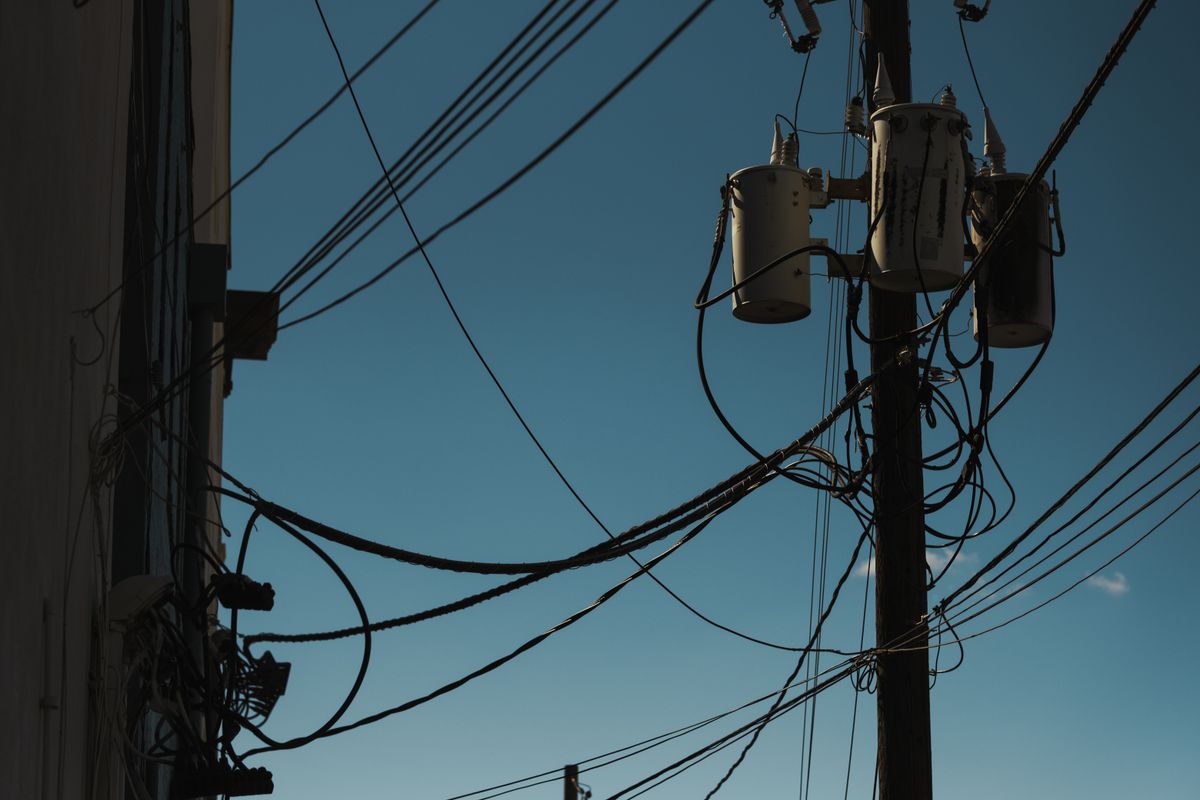
Snow gets the headline. The outage creates a household crisis.
When the heat stops, everything changes. A cold home can become unsafe quickly, especially for older adults, babies, people with medical conditions, and anyone who depends on powered medical equipment.
Before the storm, we should charge every phone, laptop, power bank, flashlight, radio, and medical device. We should also know where extra blankets, warm socks, gloves, hats, and sleeping bags are kept.
If the power goes out, close off rooms you do not need and gather in one warmer area. Keep doors and windows shut. Use towels or blankets to block drafts. Dress in layers rather than relying on one heavy item.
The goal is simple: protect body heat and make the home’s remaining warmth last longer.
The Heating Choices That Can Turn Deadly
This is where winter storm safety becomes serious.
When a house gets cold, people sometimes use whatever heat source they can find. That is how a storm becomes a carbon monoxide emergency or a house fire.
We should never use a gas oven, stove, charcoal grill, camp stove, or outdoor heater to warm the inside of a home. They can create deadly fumes or start fires. A generator should never run inside a house, garage, basement, shed, or enclosed porch.
If a generator is used, it should be kept outside, away from windows, doors, and vents. Carbon monoxide has no smell or color, which makes it especially dangerous during outages, when families are already tired and stressed.
Smoke alarms and carbon monoxide detectors should be tested before winter weather arrives. If they need batteries, replace them before the storm knocks.
Your Car Needs a Winter Storm Plan Too
Many winter storm emergencies happen on the road, not inside the home.
A short drive can become dangerous when snow covers lane markings, ice forms on bridges, or visibility collapses. Four Wheel Drive may help a vehicle move, but it does not magically make it stop on ice.
Before a storm, the gas tank should be at least half full. Every car should have blankets, gloves, hats, water, snacks, a flashlight, a phone charger, jumper cables, an ice scraper, a snow brush, a small shovel, and something bright to signal for help.
If you become stranded, staying with the vehicle is usually safer than walking into blowing snow. The car is easier for rescuers to find than a person on foot. If you run the engine for heat, the exhaust pipe must be clear of snow, because a blocked exhaust can push carbon monoxide into the vehicle.
That one detail can be lifesaving.
Freezing Rain May Be More Dangerous Than It Looks
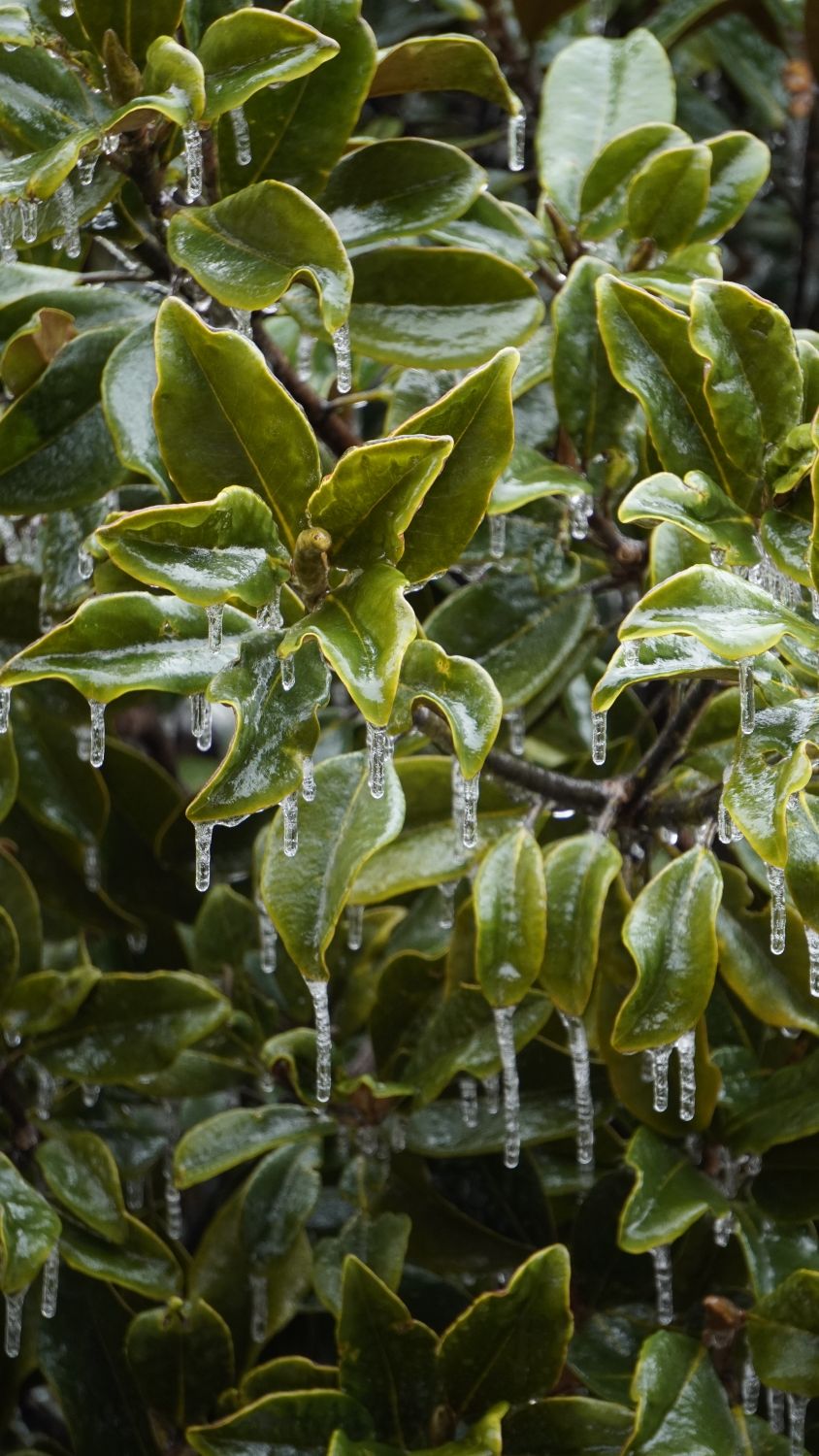
Heavy snow looks dramatic. Freezing rain can look deceptively calm until everything outside becomes coated in ice.
A thin layer of ice can turn steps, sidewalks, driveways, bridges, and roads into hazards. A heavier coating can bring down branches and power lines. That is why freezing rain often causes some of the worst travel and outage problems.
Before an ice storm, move vehicles away from trees if possible. Bring loose outdoor items inside. Avoid parking under heavy branches. Keep salt, sand, or traction material near the door before the walkways freeze.
After the storm, do not rush outside just because the sky is clear. Ice can linger on steps and shaded pavement long after the worst weather has moved out.
The Food Safety Problem People Forget
When the power goes out, the refrigerator becomes a countdown clock.
We should keep refrigerator and freezer doors closed as much as possible. Opening them repeatedly lets cold air escape faster. If the outage lasts long enough, some food may need to be thrown away even if it still looks fine.
That part frustrates people, especially when grocery prices are high. But unsafe food is not worth the risk.
A good winter-storm pantry should include foods that do not require refrigeration or cooking: canned soup, tuna, beans, crackers, peanut butter, protein bars, nuts, dried fruit, shelf-stable milk, instant oatmeal, and ready-to-eat meals.
And yes, the manual can opener matters. It is one of those small items people forget until they desperately need it.
Protect the Pipes Before the Cold Wins
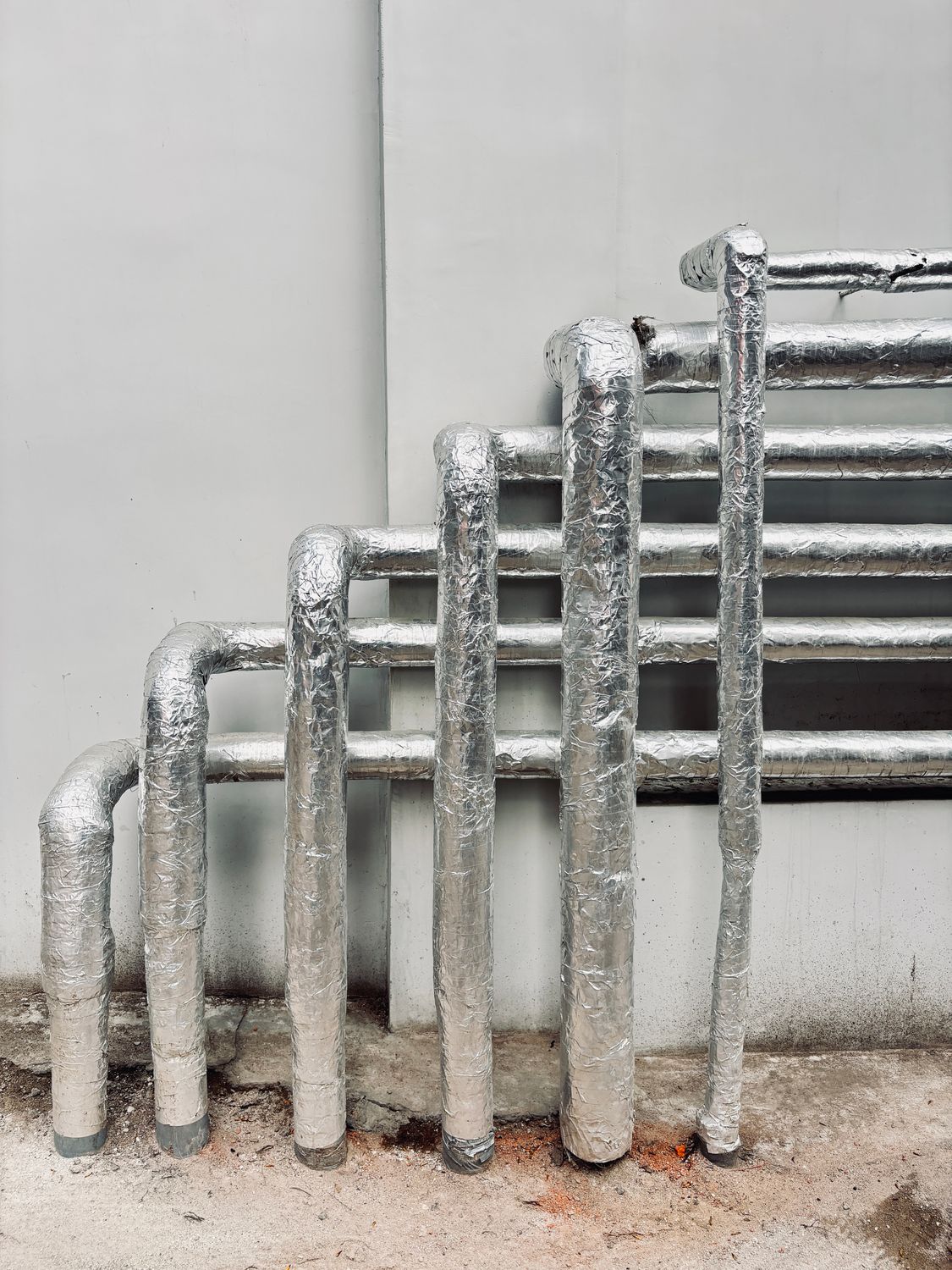
Frozen pipes can turn a winter storm into an expensive home repair nightmare.
Before extreme cold, we should insulate exposed pipes in basements, crawl spaces, garages, and exterior walls. Opening cabinet doors under sinks can help warmer indoor air reach plumbing. In severe cold, allowing faucets to drip slightly may reduce pressure inside pipes.
If a pipe freezes, do not use a torch or open flame. Warm it slowly and safely. If a pipe bursts, shut off the water supply if you can do so safely, then document the damage with photos and video.
Winter storm recovery is not only about digging out the driveway. It is also about checking what the cold did inside the walls.
Check on the People Who May Not Ask for Help
A strong winter storm plan includes neighbors.
Older adults, people living alone, families with newborns, people with disabilities, and anyone with limited transportation may need help before they say anything. A quick call or text before the storm can make a real difference.
Ask simple questions. Do they have heat? Do they have food? Are their medications filled? Do they have a working phone charger? Do they need help bringing supplies inside? Do they know where the nearest warming center is?
Preparedness is not only personal. In a serious storm, the community becomes part of the safety net.
After the Snow Stops, Stay Careful
The end of snowfall is not the end of danger.
Downed power lines, slick steps, falling branches, roof ice, carbon monoxide risks, and overexertion from shoveling can all cause harm after the storm passes. We should move slowly, wear proper footwear, and avoid touching any power line or anything in contact with one.
Shoveling heavy snow can strain the heart. Take breaks. Push snow when possible instead of lifting it. Stop immediately if you feel chest pain, dizziness, unusual shortness of breath, or weakness.
The storm may be over, but the cleanup can still be dangerous.
The Winter Storm Rule That Actually Works
The smartest winter storm rule is simple: prepare when things still feel normal.
Charge the phone before it dies. Buy supplies before the shelves empty. Test alarms before the generator is needed. Fill prescriptions before roads close. Bring pets inside before temperatures crash. Move the car before branches fall. Check on neighbors before the outage begins.
Winter storms punish last-minute thinking. They reward quiet preparation.
We do not need to panic over every forecast. But we should respect what snow, ice, wind, and cold can do when they arrive together. A household that plans early is not being dramatic. It is choosing comfort over chaos, safety over scrambling, and readiness over regret.