Judge Blocks Trump Administration From Taking Trans Minors’ Medical Records in New York
A federal judge in Manhattan has temporarily stopped the Trump administration from obtaining sensitive medical records of minors who received gender-affirming care at New York City hospitals, setting up a major legal fight over medical privacy, federal power, and the limits of criminal investigations.
The ruling by U.S. District Judge Katherine Polk Failla blocks the Justice Department, for now, from enforcing a grand jury subpoena issued to NYU Langone Hospitals. The subpoena sought records connected to minors who received gender-related medical care over a six-year period.
The order does not end the case. But it gives New York families immediate protection while the court considers whether the federal government went too far in demanding deeply private health information from young patients, parents, and medical providers.
At the heart of the case is a question with consequences far beyond one hospital: can federal prosecutors use a broad criminal subpoena to collect the identities and treatment records of an entire group of minors when the care they received is not illegal under federal law?
A Texas Subpoena Reaches Into New York
One of the most striking details is the source of the subpoena. The records were held by a New York hospital and involved New York patients. But the demand came through a federal grand jury in Texas.
That cross-state reach is what makes the case especially powerful. It is not just a dispute between one hospital and one federal agency. It is a fight over whether prosecutors in one jurisdiction can use grand jury power to pull private medical records from families in another state.
The subpoena reportedly asked NYU Langone to produce documents that could identify every minor who received certain gender-related treatments, along with records from consultation through later care. That could include diagnoses, assessments, informed-consent documents, prescription information, and parent authorization forms.
For the families involved, those were not abstract files. They were records of private medical conversations, personal decisions, and sensitive details about their children’s lives.
Why Judge Failla Drew the Line
Judge Failla found the government’s request too broad and too invasive to allow while the case continues. She said the records included intimate medical information that deserved strong constitutional protection.
That matters because medical privacy is not only a paperwork issue. It is the foundation of trust between patients and doctors. Families disclose private information to medical providers because they believe it will remain protected unless there is a clear and lawful reason for disclosure.
The judge appeared especially concerned by the size of the request. The subpoena did not appear limited to one provider, one alleged billing scheme, or one specific patient file. It sought information across an entire class of people over several years.
That is why the case has drawn national attention. A targeted fraud investigation is one thing. A broad demand for patient identities and medical histories is another.

The Parents Were Pulled Into the Fight Too
The families who sued were not only worried about their children’s records. They were also concerned about their own exposure.
Parental consent forms can reveal who approved care. Consultation notes can show what parents discussed with doctors. Billing records can connect a family to a medical decision that has become politically charged.
That is one reason this case feels so personal. Parents who believed they were making medical decisions in private suddenly faced the possibility that those decisions could be reviewed by federal investigators in another state.
The fear was not only embarrassment. Families argued that disclosure could expose them to retaliation, targeting, or future legal uncertainty. In a national climate where gender-affirming care has become one of the fiercest cultural and political battles in the United States, those fears carried real weight in court.
The Justice Department Says It Is Investigating Possible Crimes
The Justice Department has defended its inquiry by citing potential criminal concerns. Prosecutors have raised questions about issues such as alleged fraudulent billing, possible misbranding, and the use of drugs in gender-related care for minors.
Those are serious claims if tied to specific evidence. But the legal weakness, according to critics of the subpoena, lies in the demand’s sweep.
The government was not simply asking for a narrow file tied to a known suspected crime. It was seeking records broad enough to identify many minors who received care. That made the subpoena look less like a focused investigation and more like a dragnet.
Judge Failla’s ruling suggests that prosecutors cannot simply invoke a criminal investigation and expect courts to approve access to highly sensitive medical records without close scrutiny.

A Privacy Case Bigger Than Transgender Health Care
This case is about transgender youth care, but the privacy question reaches much further.
If the government can demand one politically sensitive category of medical records today, another category could become vulnerable tomorrow. Mental health treatment, reproductive care, fertility treatment, HIV care, substance-use treatment, and abortion-related records all depend on the same basic promise of confidentiality.
That is why the New York ruling may matter even to readers who do not closely follow transgender-rights cases. The issue is whether private medical files remain protected when politics and prosecution collide.
A patient’s medical record can reveal diagnosis, medication, family conflict, mental health history, body-related care, and personal identity. Once that information is turned over, the privacy harm cannot truly be undone.
Hospitals Are Caught Between Patients and Washington
The ruling also highlights the pressure facing hospitals.
NYU Langone had already stopped providing gender-related care for minors earlier this year after federal pressure intensified. Other hospitals have also scaled back or ended similar services as legal and funding threats increased.
That creates a difficult situation for medical institutions. Hospitals are expected to protect patient privacy. They are also expected to respond to lawful subpoenas. When the subpoena comes from the federal government and involves politically explosive care, the pressure intensifies.
For patients, the effect can be immediate. Families may lose access to trusted doctors. Minors may see ongoing care interrupted. Hospitals may decide that the risk of continuing certain programs is too high, even in states where that care remains legal.
In practical terms, federal pressure can reshape access to care without Congress passing a nationwide ban.

The Trump Administration’s Larger Crackdown
The subpoena fight fits into a wider federal campaign against gender-affirming care for minors.
In January 2025, President Donald Trump signed an executive order directing the federal government to stop supporting transition-related medical interventions for people under 19. That order helped set the stage for agency action, funding threats, and investigations into medical institutions that provided such care.
Since then, hospitals, doctors, families, and civil-rights groups have been pulled into a growing web of legal disputes. The administration has argued that it is protecting children and investigating possible misconduct. Opponents argue that the government is using federal power to intimidate providers and force hospitals to abandon care that remains lawful in some states.
The New York case now becomes one of the clearest tests of that strategy.
Courts Are Showing Growing Skepticism
Judge Failla is not the only judge to question the administration’s tactics. Other courts have also raised concerns about subpoenas or investigative demands tied to gender-affirming care.
That pattern matters. It suggests that the judiciary is beginning to look closely at whether the government is pursuing specific crimes or using investigative tools to pressure institutions out of providing care.
Grand jury subpoenas are powerful. They are also usually difficult to block. But they are not unlimited. When a subpoena threatens constitutional rights or seeks deeply private information without a narrow justification, courts can intervene.
That is what happened in New York.
The Supreme Court Did Not Settle This Question
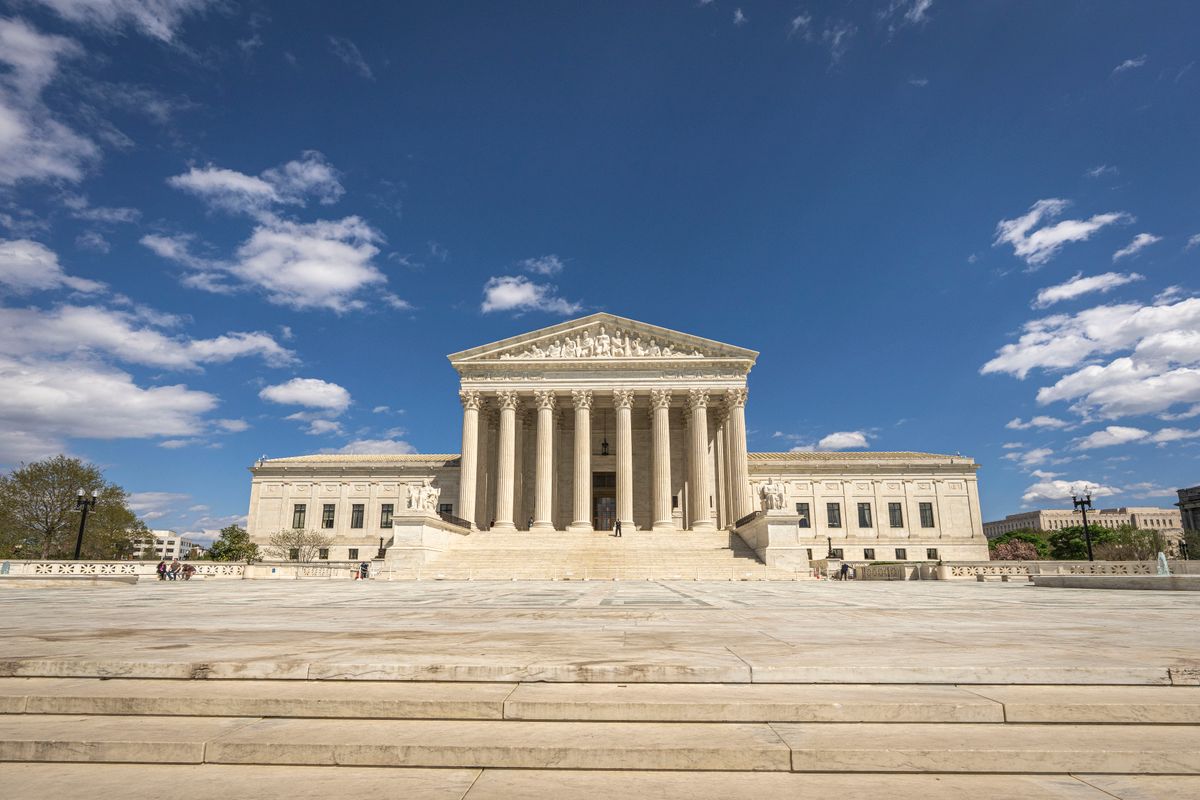
The broader legal landscape changed after the Supreme Court allowed Tennessee’s restrictions on gender-affirming care for minors to stand. That ruling gave states more room to limit access to certain treatments.
But the New York case asks a different question.
This is not only about whether a state can restrict care. It is about whether the federal government can collect private medical records from minors and families in a state where the care was provided by licensed medical institutions.
That distinction is important. State bans and federal subpoenas are separate legal battles. One controls access to care. The other controls access to private records.
The second battle may become just as important as the first.
The National Stakes Are Growing
Across the United States, access to gender-affirming care for minors has become sharply divided by state. Some states have restricted or banned certain treatments. Others have tried to protect access and shield medical providers from outside investigations.
That split has created a new kind of legal map. A family’s rights may depend on where they live, where their doctor practices, and which court receives the next subpoena fight.
The New York ruling shows how quickly state lines can blur. A hospital in one state can receive a subpoena from another. A family that sought care under one legal environment can suddenly face scrutiny in another.
That is why the case feels bigger than a single records request. It is a preview of how medical privacy, state policy, and federal enforcement may collide in the years ahead.
What Happens Next
The temporary restraining order keeps the records protected while the court considers further action. The next major question is whether Judge Failla will issue a longer preliminary injunction.
If she does, the government may be blocked from obtaining the records for a much longer period while the lawsuit proceeds. If she does not, the fight could quickly move to appeals or to renewed efforts by the Justice Department to enforce the subpoena.
The families will likely argue that disclosure would cause irreversible harm. Once private medical records are handed over, they cannot be made private again. The government will likely argue that prosecutors need access to records to investigate possible crimes.
That clash between privacy and prosecution will define the next stage of the case.
Why This Case Is So Sensitive
Few records are more personal than a child’s medical file. Few decisions are more private than the conversations parents have with doctors about a child’s care.
That is why this ruling carries such emotional force. It is not simply about political disagreement. It is about whether families can trust hospitals with the most sensitive facts of their lives.
For now, a federal judge has said the government cannot take those records while the legal questions remain unresolved. That temporary pause may become one of the most important moments in medical privacy this year.
The fight is not over. But in New York, the court has drawn a line around patient privacy, and the country is now watching to see whether that line will hold.